

News
&
Updates

Testimony on Intro 175 of 2022
The lack of amendments to redress the serious jurisdictional mismatch between City legislation, Intro 175 of 2022 and existing State policies makes it impossible for LiveOn NY to continue to offer our support. Given this, LiveOn NY opposes Intro 175 of 2022, sponsored by Council Member Marte.
New York City Council
Committee on Civil Service and Labor: Chair, Council Member De La Rosa
September 6, 2022
Oversight - Intro 175 of 2022
Thank you Chair De La Rosa and members of the Civil Service and Labor Committee for the opportunity to present testimony about Introduction 175 of 2022.
LiveOn NY’s members include more than 110 community-based nonprofits that provide core services which allow all New Yorkers to thrive in our communities as we age, such as older adult centers, home-delivered meals, affordable senior housing, NORCs, and home care. LiveOn NY is also home to the Reframing Aging NYC Initiative, part of the national Reframing Aging Initiative aimed to counteract ageism and improve the way policymakers, stakeholders, and the public think about aging and older people. With our members, we work to make New York a better place to age.
As long-standing champions of the rights of human services and home care workers throughout New York, LiveOn NY initially sought to support the intent of Intro 175 of 2022 to cap home care worker shift hours at 12 hours per day in most cases. However, the lack of amendments to redress the serious jurisdictional mismatch between this legislation and existing State policies makes it impossible for LiveOn NY to continue to offer our support. Given this, LiveOn NY opposes Intro 175 of 2022, sponsored by Council Member Marte.
After careful consideration, and despite similar goals to address the problematic 13-hour rule, LiveOn NY can no longer support legislation that would effectively shutter countless home care agencies as a result of their inability to comply with conflicting State and City regulations simultaneously. To be clear, home care agencies complying with the legal mandate to serve clients under the existing framework of regulations provided by the New York State Department of Labor (NYSDOL), would then receive heavy fines levied as a result of the City’s conflicting policies. The consequence will be forced closure of nonprofit home care agencies throughout New York City, resulting in the loss of jobs for workers and the loss of care for older adults and people with disabilities.
Instead of having State and City policies at odds, leaving home care agencies and consumers of home care hanging in the balance, LiveOn NY respectfully asks the sponsor, and all of New York City Council, to join us with in addressing this issue by supporting existing State legislation, S.359A (Persaud) / A.3145A (Epstein), which mirrors Intro 175.
Background
NYSDOL has established that residential home care employees who have 24-hour shifts must only be paid for 13 of those hours in most cases, despite work that often stretches throughout the night and rarely affords real meal or sleep breaks. This “13-hour rule” sets Medicaid reimbursement rates, so providers who want to pay workers fairly for the full 24 hours must find 11 hours of pay in their own budgets. For many home care providers, especially those that are nonprofit organizations, this is impossible. The result is a systematically underpaid workforce[1] comprised largely of women of color and immigrants.
Workers filed several lawsuits against their employers over the 13-hour rule in 2017, but the State Court of Appeals ruled against the workers in March 2019 and the status quo was maintained. The home care sector currently employs 330,000 people in New York—less than 10% of whom regularly have 24-hour shifts—and by 2025 the sector is expected to see a 33% growth in demand with a workforce shortage of a net 23,000 workers.[2] Now that the lawsuits are settled, New York State must take action to stabilize a sector in crisis and fairly compensate its workforce.
State Legislation and Fiscal Impact
Intro 175 is based on State legislation, S.359A (Persaud) / A.3145A (Epstein), which LiveOn NY deeply supports, and mirrors much of its language. Both bills seek to rectify the unfair pay structures that result from the NYSDOL’s 13-hour rule by capping the number of hours an employer can require a home care worker to work at 12 hours, with a cumulative limit of 50 hours of work per week. It would massively reduce if not eliminate the number of 24-hour shifts, offering a creative workaround to existing State policy. Notably, the State bill additionally includes limited exceptions to go over the weekly cap, with clear worker protections added for these cases including an anti-retaliation clause; and includes a legislative intent that this bill shall not be intended to reduce the hours of authorized care for patients. While both bills are similar in nature, only the State legislation can be passed with adequate authority to ensure funding for such a shift in the home care staffing pattern.
There is a significant fiscal impact of Intro 175, with industry estimates citing an additional $1-1.2 billion in funding needed to cover existing 24-hour cases as split shifts across the state, a portion of which would be applicable to New York City, even prior to accounting for recent wage increases included in the last State budget. This makes Intro 175 an unfunded mandate and further engrains the necessity of passing S.359A / A.3145A and providing such funding in the State budget. Without this investment the bill could have dramatic unintended consequences. The City would have to conduct a fiscal analysis and include hundreds of millions of dollars per year to Medicaid to contribute to this legislation’s success. Further, while Medicaid
[1] Mean annual wage of home health aide in New York, 2020: $28,750. https://dol.ny.gov/labor-data#31-0000.
[2] www.mercer.us/our-thinking/career/us-healthcare-labor-market-interactive-map.html
is the predominant funding source for home care in New York City, Medicare and private pay are two additional funding sources. The bill fails to clarify how Medicare and private pay patients will be able to afford split shifts.
Additional Concerns
We have several specific concerns with Introduction 175, laid out below:
Staffing: The bill requires more workers to fill the split 12-hour shifts which are currently filled by one 24-hour worker, yet there is nothing in the bill to encourage the creation or retention of these jobs. New York is already at a point of a pending workforce shortage, and without attention this bill could exacerbate the problem. By mandating split shifts during a worker shortage, the bill could lead to 24-hour patients becoming institutionalized as opposed to staying in their homes. It is also important to note that the State recently granted a minimum wage increase for home care workers or $3 per hour spread over two years. While this is absolutely needed, and was advocated for under the Fair Pay for Home Care campaign, which our organizations support, given nationwide inflation and labor concerns this increase does not on its own sufficiently address the workforce shortage.
Jurisdiction: It is unclear whether New York City is legally able to implement this bill for City-based home care workers, given the State’s strong role in regulating the industry. For example, it is unclear whether the City has jurisdiction to legislate Managed Care Organizations (MCOs). While MCOs and the NYC Human Resources Administration (HRA) currently assign 24-hour shifts and determine whether to approve 12-hour split shifts, these entities are not mentioned in the bill language. If legally allowable, the bill should mandate that MCOs and HRA split all 24-hour shifts, and that they modify their contracts with home care agencies to ensure split shifts are the rule for people who need 24-hours of care. The bill would also have to consider the role of unions, as much of the home care workforce is unionized and adheres to contractual labor agreements.
Violations: While both the State and City bills include a right to civil action for law violations, the City bill goes further by laying out a penalty schedule for violations. Though it is not clearly stated in the bill, those penalties would likely fall on the providers and not on the MCOs and HRA that serve as fiscal intermediaries and administrators, regardless of which entity was responsible for the violation. While penalties are important to ensure compliance with a given law, without addressing HRA and MCOs’ role in authorizing service hours and split shifts this bill is missing a key component of the home care system and placing undue burden on providers.
For these reasons, LiveOn NY opposes Intro 175, and implores City Council to address this issue by supporting state bill S.359A (Persaud) / A.3145A (Epstein).
Thank you for the opportunity to testify.

Testimony on Improving Older New Yorkers’ Access to City Services
While the aging population continues to be the fastest growing demographic, with 1 in 5 New Yorkers expected to be 60 and older by 2040, the City must go further to ensure all older New Yorkers regardless of their background have access to equitable aging services to safely age in community.
New York City Council
Committee on Aging: Chair, Council Member Hudson
September 7, 2022
Oversight - Improving Older New Yorkers’ Access to City Services
Thank you for the opportunity to testify.
LiveOn NY’s members include more than 110 community-based nonprofits that provide core services which allow all New Yorkers to thrive in our communities as we age, such as older adult centers, home-delivered meals, affordable senior housing, NORCs, and home care. LiveOn NY is also home to the Reframing Aging NYC Initiative, part of the national Reframing Aging Initiative aimed to counteract ageism and improve the way policymakers, stakeholders, and the public think about aging and older people. With our members, we work to make New York a better place to age.
LiveOn NY acknowledges the work of the Mayor Eric Adams Administration, the City Department for the Aging (DFTA) led by Commissioner Lorraine Cortés-Vázquez, the New York City Council led Speaker Adrienne Adams and the Committee on Aging led by Aging Chair, Council Member Crystal Hudson.
Background
LiveOn NY is appreciative of the City’s investment for older adults and the aging sector in the FY23 Adopted Budget by including an additional $3.2 million to expand DFTA's Geriatric Mental Health Program (DGMH), $60 million to provide a cost-of-living adjustment for human services workers, $14.9 million for the home-delivered meals program, $3 million to improve IT education for older adults, among other key investments. This budget moves the aging services sector in the right direction, from a significant human services workforce investment to additional funding for home-delivered meals to keep older adults fed.
Nonetheless, we also recognize there is more work to be done to better support older New Yorkers. While the aging population continues to be the fastest growing demographic, with 1 in 5 New Yorkers expected to be 60 and older by 2040, the City must go further to ensure all older New Yorkers regardless of their background have access to equitable aging services to safely age in community.
Therefore, we invite the City to utilize our aging policy agenda, Aging is Everyone’s Business, released by LiveOn NY in partnership with Hunter College Brookdale Center for Healthy Aging, which is a bold policy agenda that provides actionable policy solutions to make New York a better, more equitable place to age.
Further, LiveOn NY recommends the following to improve access to aging services for older adults and community-based organizations.
Recommendations
Combat Hunger
DFTA should assess and allocate funding for the significant inflationary impacts on raw food, gas prices, and other infrastructure needs for contracts
Many of LiveOn NY’s members have raised their concern of the impact inflation cost for raw food, gas prices and other infrastructure items. For example, one of our members saw a 40% increase in raw food cost due to inflation this year. The unavoidable financial strain has created challenges for providers to continue to meet the growing capacity for home-delivered meals, in addition, providing congregate meals at Older Adult Centers.
Nonetheless, LiveOn NY is appreciative of the City Council's recent announcement of $3 million in funding for the repair and replacement of an estimated 44 hotshot vans for the City’s home delivered meals program. This critical investment in the infrastructure will literally and figuratively keep the wheels in motion for providers to expand capacity and continue to meet the growing need for home-delivered meals throughout New York.
The City should continue to support new models of service including grab-and-go meals. During the COVID-19 pandemic, food insecurity among older adults was deeply exacerbated by issues not only economic, but related to access as older adults were required to “stay at home” to reduce the chances of contracting COVID-19. New models of service such as grab-and-go were critical and successful in ensuring, who may not be comfortable congregating due to COVID risks, or for personal reasons are less willing to meet their nutritional needs by eating at an Older Adult Center, have the option to take their meal home, a decision that ensures one’s nutritional needs can be met in the environment of one's choosing.
Affordable Senior Housing
LiveOn NY recommends the City allocates funding to develop 1,000 units of affordable senior housing with services per year. While the Adopted Budget included investments to support affordable housing programs, the City needs to go further to fully address the need for affordable senior housing. The investment of a minimum target of 1,000 new units of affordable senior housing with services per year, is part of a total target to construct no fewer than 8,000 new units of housing dedicated to serving extremely low income and homeless households annually, as called for by the United for Housing coalition. As waitlists and limited housing stock pose an acute challenge for older New Yorkers, a considerable investment and consistent unit targets per year will be critical to paving a pathway out of this crisis.
LiveOn NY also recommends the City increases increase the per unit reimbursement rate for the City’s Senior Affordable Rental Assistance (SARA) services from $5,000 per unit, to $7,500 per unit, to fund two housing staff positions at each building to provide support for the residents to more adequately address social isolation and significant case assistance needs.
Proposed Legislation
LiveOn applauds Aging Chair Hudson for introducing a legislative package aimed at promoting critical services and supports for us all to age in our communities in New York City, and thanks Council Member Hudson and cosponsors.
LiveOn NY offers the following feedback on the proposed legislation:
Intro.1696
LiveOn NY supports the intent of Intro. 1696, which would require the Department for the Aging to require older adult centers to expand their programming to include linguistic and cultural programs relevant to the local communities in which they reside. This bill would allow the City to work to ensure all older adults have access to equitable culturally and linguistically component services to safely age in community. This is specifically important for our growing diverse aging population in the City. Nonetheless, LiveOn offers two specific recommendations for this bill:
To utilize the Mayor’s Office of Nonprofit Services to push for technical assistance and training directly for immigrant-focused and/or smaller, culturally diverse nonprofits. As DFTA looks to grow its service portfolio to increase linguistically diverse programs, there must be a pipeline and support system - coupled with new and additional dollars - to support expansion.
In addition, funding will be required to support resources and staffing capacity including the hiring of multilingual staff at Older Adult Centers. The network of Older Adults Centers already provides extensive language and culturally appropriate services throughout the City. However, given the growth of new needs, funding must be increased to ensure that new needs can be met.
Intro. 1538
LiveOn NY supports Intro. 1538, which would require a know your rights pamphlet for older adults. Throughout the City, a variety of aging services are available for older adults yet too often older New Yorkers and caregivers are unaware of the breadth of aging services available within their community. This bill will provide a culturally and linguistically appropriate know your rights pamphlets to older adults, caregivers and others, through outreach, educating them on the range of services and support available including age discrimination, elder abuse, food insecurity, housing support and more.
Intro. 1650
LiveOn NY supports the intent of Intro. 1650 which aims to provide housing stability for older adults by entitling any person who is 60 years of age or older to full legal representation in eviction or termination of tenancy proceedings in housing court. Across the City, older adults face difficulties with finding affordable housing with rising rent prices and over half of older New Yorkers are rent-burdened, spending more than 30% of their income on rent. While this bill is a step forward to address the housing crisis among older adults, we urge the City to incorporate a social services/legal services model which would provide both the legal and social services support that older adults will need to remain in their homes. We also urge the City to work in coordination with community-based organizations with existing housing programs and legal services (ex. The Assigned Counsel Project) that are an additional trusted resource for older New Yorkers. Further, while legal and social service supports to address housing insecurity are critical, LiveOn also urges the City to strengthen existing programs, such as the Senior Citizen Rent Increase Exemption (SCRIE) program and affordable senior housing programs, as noted above.
Thank you for the opportunity to testify.

Testimony on the Mayor's New Housing Plan
The release of the plan signals to New Yorkers an understanding of the dire nature of today’s housing crisis and a commitment to taking meaningful action to address such a plan.
New York City Council
Committee on Housing and Buildings
Chair, Council Member Pierina Sanchez
July 1, 2022
Oversight - “Housing Our Neighbors”: A First Look at the Mayor’s Housing Plan.
Thank you for the opportunity to testify.
LiveOn NY’s members include more than 100 community-based nonprofits that provide core services which allow all New Yorkers to thrive in our communities as we age, including older adult centers, home-delivered meals, affordable senior housing with services, elder abuse prevention, caregiver support, NORCs, and case management. LiveOn NY is proud to host our Affordable Senior Housing Coalition, which works with our non-profit members and partners to address the significant need for affordable senior housing. With our members, we work to make New York a better place to age.
First and foremost, LiveOn NY is deeply appreciative of the release of the Mayor’s new housing plan, created under the leadership of Chief Housing Officer Jessica Katz, Department of Housing Preservation and Development (HPD) Commissioner Adolfo Carrión, Department of Social Services (DSS) Commissioner Gary Jenkins, and New York City Housing Authority (NYCHA) Chair and Chief Executive Officer Gregory Russ, among others. The release of the plan signals to New Yorkers an understanding of the dire nature of today’s housing crisis and a commitment to taking meaningful action to address such a plan. LiveOn NY is appreciative of the collaborative spirit that went into the creation of the plan, and was pleased to have the opportunity to give feedback early in the process around the ways in which a housing plan could better support all New Yorkers as we age. Evidence of this collaboration, we are particularly pleased to see the plan is inclusive of all types of housing in New York, namely both housing under the purview of NYCHA, as well as that developed through HPD.
In advance of further articulating the aspects of the plan in which LiveOn NY is most supportive of, the following offers further background on why such a plan is so critical to address the affordable housing crisis as acutely experienced by older New Yorkers.
Background
Today, more than half of older renters are rent-burdened, as are a third of older homeowners. Further, roughly 2,000 older New Yorkers are living in homeless shelters, a number that is expected to triple by 2030 without significant intervention. LiveOn NY’s own research has found that there are more than 200,000 older adults languishing on waiting lists for affordable housing through the HUD 202 program, each waiting for 7-10 years on average for a unit to become available. This challenge is mirrored by the thousands of applications that come flooding in each and every time a new affordable senior housing lottery opens on Housing Connect.
This crisis is particularly acute for older adults as many rely on fixed incomes, making it difficult to afford the rent while other costs rise. Further, much of the City’s housing infrastructure is inadequate to accommodate an older adult’s health and mobility needs, with 70% of the City’s housing stock only navigable by at least one set of stairs. In addition, NYCHA is a well-known provider of affordable housing for low-income older adults, and yet in many situations for many older tenants living in NYCHA, their living experience is plagued by poor ventilation systems, broken elevators, leaking roofs, and recurring mold.
It is critical we address this crisis, as New York is aging rapidly and research shows that the majority of older adults would prefer the opportunity age in their community, surrounded by the networks of support built over a lifetime. Moreover, we’re all aging, and we all have a stake in ensuring there are affordable options to call home throughout the lifecourse.
Response to the Housing Plan
Chapter 1: Transform NYCHA
In addition to supporting the overarching goals of transparency, resident decision-making, and partnership, LiveOn NY is also appreciative of the effort to reform work orders within NYCHA to create a more efficient and effective system for repairs. Recognizing that this system extends beyond the residential units, LiveOn NY encourages that attention also be paid to improving work order processes initiated by community-based organizations offering services within NYCHA facilities. Community-based organizations operating within NYCHA buildings, such as older adult centers, are critical resources for NYCHA residents and the community at-large. These spaces must also be considered when updating work order processes or should be funded directly to address maintenance concerns considered outside the purview of the authority.
Chapter 2: Addressing Homelessness and Housing Insecurity
In addition to supporting the overarching goals to better measure homelessness, and serve those experiencing homelessness, LiveOn NY also supports the goal to streamline and expand access to supportive housing and combat source-of-income discrimination.
Chapter 3: Create and Preserve Affordable Housing
First and foremost, LiveOn NY deeply supports the primary goal to “accelerate and increase capacity for new housing supply citywide.” We look forward to partnering with the Administration to determine ways to lower costs and accelerate the pace of production, as outlined in this section.
LiveOn NY deeply supports the intent to utilize zoning to encourage a wide range of housing types. Within our membership, we have seen the power of diverse housing types, for example, the Project FIND Woodstock Hotel represents one of the first examples of how an SRO can come to provide stable housing, and offer services such as Older Adult Center, to aging New Yorkers over the course of decades. Within this section, we specifically support: the intention to legalize Accessory Dwelling Units (ADUs), which offer incredible opportunities for caregivers to live close by to care recipients; the conversion of vacant hotels into affordable housing; and leveraging zoning to “allow greater square footage for affordable housing for everyone who needs it.”
Given our research, Paving the Way for New Senior Housing, which first identified the opportunity to develop affordable senior housing on underutilized HUD 202 parking lots, LiveOn NY wholeheartedly supports the intent to “prioritize people over parking,” particularly in transit-rich neighborhoods.
LiveOn NY supports the continued prioritization of creating new community spaces within affordable housing, and is appreciative of the new older adult center facilities built to date, such as that included in the newly developed WSFSSH Tres Puentes and the SAGE Stonewall House. Beyond this, we recommend a deeper partnership with agencies such as the Department for the Aging (DFTA) to analyze where community facilities would be best incorporated into future housing developments in order to serve an emerging population of older adults or to offer an updated older adult center where the current space may no longer prove sufficient.
LiveOn NY supports the plan to “partner with H+H to create a nexus between housing and health,” as well as to expand broadband access through affordable housing. By prioritizing institutional land such as hospitals in particular, the City will reflect an understanding of the connections between health and housing and a commitment to treating housing as the social-determinant of health that it is.
LiveOn NY deeply supports the clear focus on meeting the housing needs of older adults and people with disabilities.
Within this, we support the work to facilitate automatic enrollment in SCRIE and streamline application and recertification processes for eligible households. Currently, LiveOn NY offers a Benefits Outreach Program, which supports hundreds of older New Yorkers in applying for benefits each year. Through this work we recognize the opportunity to address under-utilization of benefits such as SCRIE by removing barriers in the application processes.
LiveOn NY also supports accelerated production of supportive housing, including that for older adults. We encourage the Administration to also prioritize the acceleration of lighter touch housing built for older adults, as developed through the Senior Affordable Rental Assistance (SARA) program. The SARA program offers a unique opportunity for non-profits and partners to meet the needs of older adults who may not require the level of services provided in supportive housing, but would greatly benefit from some level of support in order to foster aging in place while preventing isolation.
We support the intent to aid federally assisted properties serving older adults, particularly those with expiring benefits, as well as to explore innovative ways to leverage social services dollars to better serve the continuum of needs that exists across aging New Yorkers. Given the outsized impact that housing can have on reducing healthcare spending, we are particularly supportive of the intent to work with the State, and through the 1115 waiver, to improve services.
LiveOn NY supports the effort to prioritize M/WBE and non-profit projects in the HPD pipeline.
Chapter 4: Improve the Health and Safety of New Yorkers
Recognizing housing as a social determinant of health, LiveOn NY greatly appreciates the blueprint’s clear emphasis on improving the health and safety of New Yorkers through our housing stock. From fire safety, to lead, to asthma, to climate change, we appreciate the holistic approach to utilizing housing as a springboard for creating healthier communities.
Chapter 5: Reduce Administrative Burden
LiveOn NY deeply supports the intent to reduce administrative burden experienced both by developers of affordable housing and tenants seeking to secure affordable housing. Specifically, we are supportive of the work to streamline Section 8 processes at both HPD and NYCHA, and in other forms and evaluations related to affordable housing. LiveOn NY and our Affordable Senior Housing Coalition seeks to be a resource in this endeavor, with the shared goal of reducing administrative burden to more expeditiously renting up projects developed through the City’s housing programs.
Additional Recommendations
To build on the foundation laid in the housing plan, LiveOn NY recommends the following core principles be adopted, funded, and prioritized by this Administration. Much of the following amplifies recommendations collectively advocated for by the United for Housing Coalition, which includes more than 80 organizations that have come together around a set of bold but attainable recommendations to address the housing crisis in our City.
While appreciative of the initial affordable housing capital investments outlined in the FY23 budget, LiveOn NY continues to believe it is time to double down in our investment in affordable housing. Given this, we support the United for Housing led call for a $4 billion annual investment to fund a comprehensive affordable housing plan.
While recognizing that a diversity of metrics will be critical to implementing a housing plan, with units but one component, we continue to call for a minimum target of 1,000 new units of affordable senior housing with services per year. This must be part of a total target to construct no fewer than 8,000 new units of housing dedicated to serving extremely low income and homeless households annually. As waitlists and limited housing stock pose an acute challenge for older New Yorkers, a considerable investment and consistent unit targets per year will be critical to paving a pathway out of this crisis.
It is currently unclear the extent to which the agencies that intersect with this plan are fully staffed as a result of the FY23 budget. Given the historical concerns around staffing, particularly as a result of previous hiring freezes and PEGS, LiveOn NY continues to recommend that the City put forth the full resources necessary to quickly and robustly staff HPD and its sister agencies to ensure all affordable housing goals can be met.
LiveOn NY also recommends the City increase the per unit reimbursement rate for SARA services from $5,000 per unit, to $7,500 per unit, allowing for increased staff to more adequately address social isolation and significant case assistance needs. This increased reimbursement rate would make services better available to support an aging and formerly homeless tenant population, in turn enabling more older New Yorkers to age in place and avoid institutionalization.
Thank you for the opportunity to testify.

Testimony to the New York City Council on LGBTQIA+ Older Adults
LGBTQIA+ older New Yorkers refuse to be invisible yet face unique and serious obstacles as they age, with many LGBTQIA+ people facing years of stigma and discrimination throughout their lives.
New York City Council
Committee on Aging: Chair, Council Member Hudson
Committee on Women and Gender Equity: Chair, Council Member Cabán
June 21, 2022
Oversight - The Challenges Facing LGBTQIA+ Older Adults
Thank you for the opportunity to testify.
LiveOn NY’s members include more than 110 community-based nonprofits that provide core services which allow all New Yorkers to thrive in our communities as we age, such as older adult centers, home-delivered meals, affordable senior housing, NORCs, and home care. LiveOn NY is also home to the Reframing Aging NYC Initiative, part of the national Reframing Aging Initiative aimed to counteract ageism and improve the way policymakers, stakeholders, and the public think about aging and older people. With our members, we work to make New York a better place to age.
Background
In New York City, lesbian, gay, bisexual, transgender, queer, intersex, and asexual (LGBTQIA+) older adults are the pioneers of the LGBTQIA+ movement who stood at Stonewall and paved the way for the younger generation. LGBTQIA+ older New Yorkers refuse to be invisible yet face unique and serious obstacles as they age, with many LGBTQIA+ people facing years of stigma and discrimination throughout their lives. Too often, LGBTQIA+ older people have thinner support networks, creating a growing demand for LGBTQIA+ affirming community-based services and care that are culturally competent in understanding the challenges of the LGBTQIA+ community. These services include LGBTQIA+ affirming housing developments, access to affordable healthcare services, programs that support individuals living with HIV/AIDS and other community-based services such as Older Adult Centers and Naturally Occurring Retirement Communities (NORCs).
Community-based organizations including our members, SAGE, Queens Community House, which operates the Queens Center for Gay Seniors, DOROT, which offers an Intergenerational LGBTQIA+ Affinity Group, and others, are a trusted source for older adults and provide critical services for LGBTQIA+ people. Yet the City can do more to support LGBTQIA+ older adults and fund services that address the disparities impacting older adults including LGBTQIA+ older adults.
All New Yorkers deserve the ability to age in community with access to equitable services regardless of their zip code and background. To create a city that supports all New Yorkers, the City must make long-term investments in older adults and community-based services that supports LGBTQIA+ older adults, and empower and uplift a community that for too long has been invisible.
Recommendations
Expand Access to Equitable LGBTQIA+ Affirming Services
The City should ensure that LGBTQIA+ competent aging services are offered in a culturally and linguistically competent manner to better reach LGBTQ+ older adults including communities of color. Due to the thinner networks, many LGBTQIA+ older adults rely on community-based services to access critical support. Yet, LGBTQIA+ older adults are often disconnected to critical services, such as LGBTQIA+ affirming health services and aging services as well as face concern about discrimination from staff and others at traditional older adult centers, long-term care and other aging services.
The City should continue to support new models of service including grab-and-go meals. During the COVID-19 pandemic, food insecurity among older adults was deeply exacerbated by issues not only economic, but related to access as older adults were required to “stay at home” to reduce the chances of contracting COVID-19. New models of service such as grab-and-go were critical and successful in ensuring older adults, including LGBTQIA+ older adults, who may not be comfortable congregating due to COVID risks, or for personal reasons are less willing to meet their nutritional needs by eating at an Older Adult Center, have the option to take their meal home, a decision that ensures one’s nutritional needs can be met in the environment of one's choosing.
In addition, LiveOn NY also recommends the City expands LGBTQIA+ competent mental health services for older adults to combat loneliness, depression, and anxiety. Often, there are few opportunities for LGBTQIA+ older people to socialize in age-friendly and LGBTQIA+ inclusive environments, resulting in nearly 60% of LGBTQIA+ older people feeling a lack of companionship and over 50% reporting feeling isolated from others[1]. In recognition of this, LiveOn NY appreciates Speaker Adrienne Adams prioritization of this issue during her recent State of the City address, by calling for increased government support for initiatives to create more diversity among mental health professionals to increase access to care for LGBTQIA+ people, immigrants and communities of color.
Invest in Affordable Housing
The City must invest in LGBTQIA+ affirming affordable housing. Across the City, older adults face difficulties with finding affordable housing with rising rent prices and over half of older New Yorkers are rent-burdened, spending more than 30% of their income on rent. The housing crisis in New York City is particularly acute for older adults including LGBTQIA+ older New Yorkers as many rely on fixed incomes, making it difficult to afford the rent while other costs continue to rise. In addition, much of the City’s housing infrastructure is inadequate to accommodate an older adult’s health and mobility needs, with 70% of the City’s housing stock only navigable by at least one set of stairs.
LiveOn NY recommends the City allocates funding to develop 1,000 units of affordable senior housing with services per year. While the Adopted Budget included investments to support affordable housing programs, the City needs to go further to fully address the need for affordable senior housing. The investment of a minimum target of 1,000 new units of affordable senior housing with services per year, is part of a total target to construct no fewer than 8,000 new units of housing dedicated to serving extremely low income and homeless households annually, as called for by the United for Housing coalition. As waitlists and limited housing stock pose an acute challenge for older New Yorkers, a considerable investment and consistent unit targets per year will be critical to paving a pathway out of this crisis.
LiveOn NY also recommends the City increases increase the per unit reimbursement rate for the City’s Senior Affordable Rental Assistance (SARA) services from $5,000 per unit, to $7,500 per unit, to fund two housing staff positions at each building to provide support for the residents to more adequately address social isolation and significant case assistance needs.
Today, nearly one-third of LGBTQIA+ older people live at or below 200% of the federal poverty level, compared to a quarter of non-LGBTQIA+ people as shown in the recent SAGE and AARP New York report, “Disrupting Disparities: Solutions for LGBTQ+ New Yorkers Age 50+.” All older New Yorkers should have access to safe and affordable housing yet many older LGBTQIA+ older adults fear having to re-closet to access senior housing. No one should have to hide who they are to access equitable housing especially as the majority of older adults would prefer the opportunity age in their community, surrounded by the networks of support built over a lifetime.
The City must double down on its commitment to provide affordable housing for LGBTQIA+ people. To address this crisis the City:
Preserve existing affordable elder housing including supporting LGBTQIA+ welcoming affordable elder housing with adequate funding to address the disparities faced by LGBTQ+ elders.
Develop new LGBTQ+ affirming housing options and innovative LGBTQIA+ elder housing models.
Expand Data Collection
The City should improve the LGBTQIA+ data collection to understand the needs of LGBTQIA+ older adults. Many older people and LGBTQIA+ New Yorkers will remain invisible until the City enhances its efforts to collect, analyze, and report LGBTQIA+ and age-inclusive data. In particular, a lifetime of discrimination has adversely affects LGBTQIA+ people, particularly, people of color from racial inequality to anti-LGBTQIA+ discrimination that create barriers in safely aging in community.
LiveOn NY recommends the City should improve data collection on sexual orientation and gender identity to better identify and address health disparities and aging services gaps among LGBTQIA+ older people of color. Collecting more and better data is essential to understand disparities in our communities. The lack of data puts policymakers in unknown territory as they craft policies that have the potential to significantly affect the lives and wellbeing of older and LGBTQIA+ people including people of color.
Additionally, LiveOn NY strongly supports the Council Member Hudson and Council Member Caban’s new legislation, which would establish a commission on LGTBQIA+ older adults within the Department for the Aging (DFTA).
It’s critical the City works to ensure all LGTBQIA+ older adults have access to equitable LGTBQIA+ services to safely age in community. This bill would establish a commission for LGTBQIA+ older adults within DFTA who would help to identify challenges, share best practices, and develop expert recommendations on ways to improve the quality of life of LGBTQIA+ older adults. LiveOn NY appreciates the diversity of voices represented on the commission including community-based organizations to understand the needs of the LGTBQIA+ community.
Thank you for the opportunity to testify.
[1] Karen I. Fredriksen-Goldsen et al., The Aging and Health Report: Disparities and Resilience Among Lesbian, Gay, Bisexual, and Transgender Older Adults (2011)

Adopted FY 2023 City Budget Recap
This week, the Adams Administration and the New York City Council, under the leadership of Speaker Adrienne Adams and Finance Chair Justin Brannan passed the Adopted City Budget for Fiscal Year 2023, totaling in $101 billion in spending. This budget moves the aging services sector in the right direction, from a significant human services workforce investment to additional funding for home-delivered meals to keep older adults fed.
LiveOn NY's Advocacy Secures Critical Funding for
Older New Yorkers and Community-Based Organizations
This week, the Adams Administration and the New York City Council, under the leadership of Speaker Adrienne Adams and Finance Chair Justin Brannan passed the Adopted City Budget for Fiscal Year 2023, totaling in $101 billion in spending. This budget moves the aging services sector in the right direction, from a significant human services workforce investment to additional funding for home-delivered meals to keep older adults fed.
LiveOn NY gives our thanks to all who advocated for the needs of older New Yorkers during this year's budget negotiations, including to Chair of the City Council Aging Committee, Council Member Crystal Hudson. We also give our deepest thanks to our members and our partners in advocacy. Whether you participated in LiveOn's Advocacy Day, joined our social media actions, reached out to your Council Member, or called for #EquityforAging and #JustPay, you made each and every gain possible.
Nonetheless, we know that there is still work to be done and we are committed to continuing to fight to make New York a better place to age in the coming years.

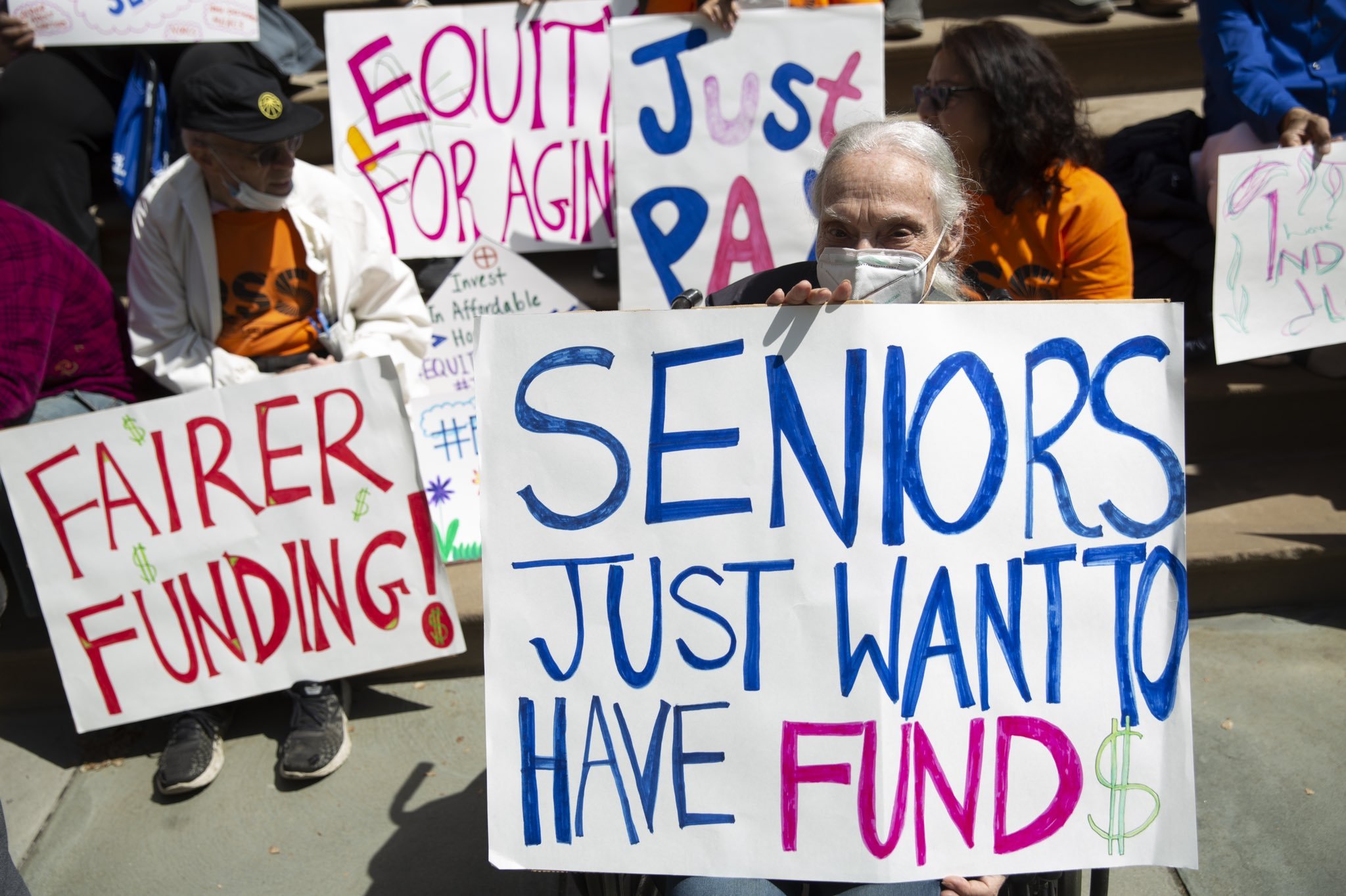
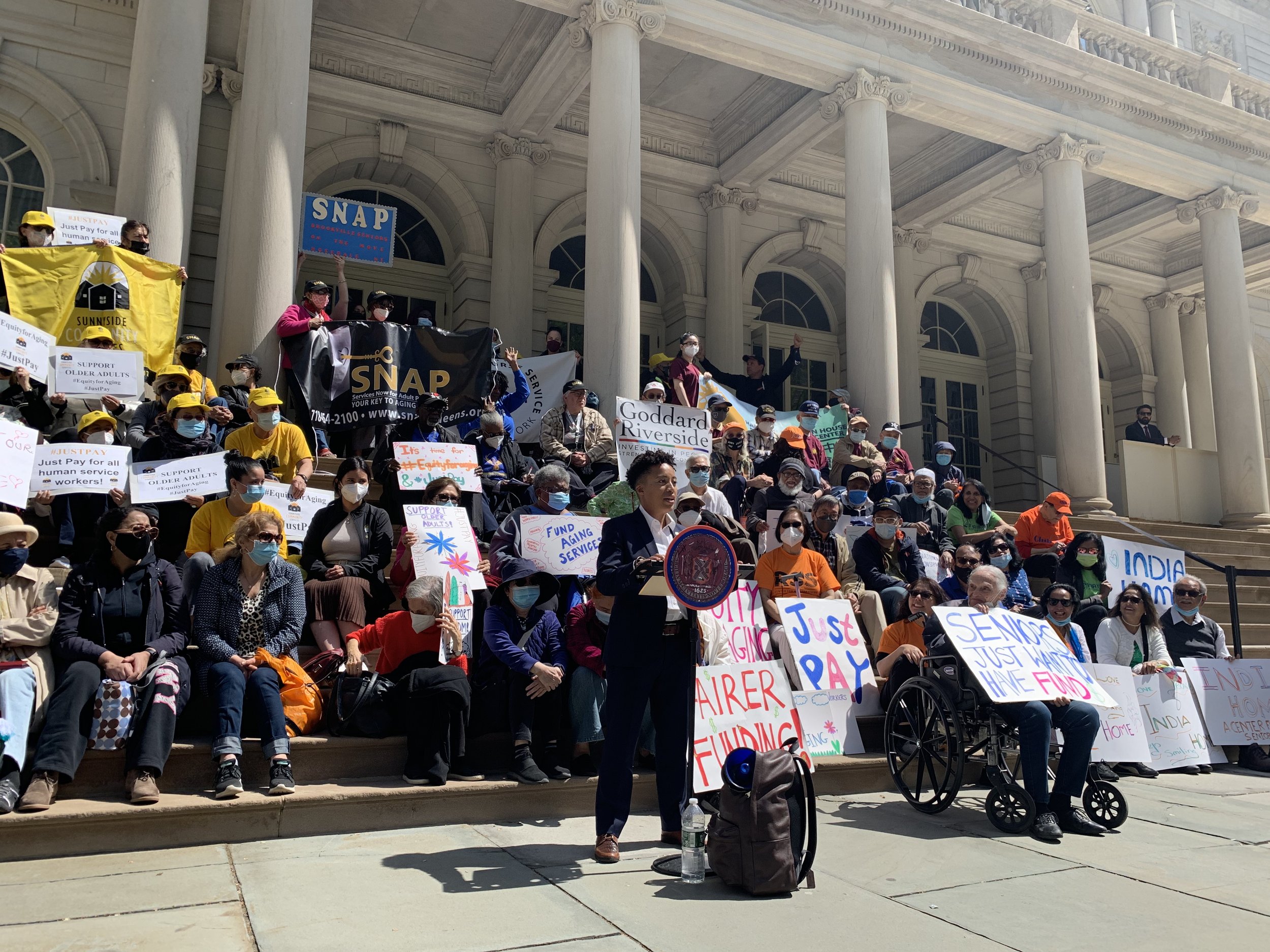
Below, see a recap of funding related to LiveOn NY advocacy priorities and of note to our sector.
Please note that the below is based off of the information currently available, we will continue to update this for accuracy as new details are released.
Funding wins resulting from the Mayor’s Preliminary Budget, City Council’s Preliminary Budget Response, and the Mayor’s Executive Budget, include:
Continued commitment to the previously announced home-delivered meal reimbursement rate increase totaling $2.3 million in new funding in FY22, and $9.4 million in FY23.
$14.9 Million, baselined, for Recovery Meal Transition, encompassing $8.8 million for home-delivered meals, and $6 million for case management.
$3.2 million, baselined, for Geriatric Mental Health expansion.
Funding wins resulting from the Adopted Budget include:
$60 million in baselined funding for human services workers.
This is in response to the 5.4% Cost of Living Adjustment (COLA) or $86 million that LiveOn NY and partners, led by Human Services Council, had advocated in the Just Pay campaign. Note this represents total funding available, but does not discern the details of how funds will be allocated across programs, positions, and organizations, all of which are critical details. We will share as we learn more about how this funding will be implemented.
$3 million in one-time funds for IT education for older adults.
$3 million in one-time funds for case management.
$6.2 million in one-time funds for Recovery Meals Transition.
$5 Billion in "Support for the New York City Housing Authority and the New York City Department of Housing Preservation and Development affordable housing programs"
$19.2 Million for "Additional staff and services at Department of Housing Preservation and Development (HPD)."
$8.6 Million for Language Access Expansion.
$14 Million to "Increase access to benefits by expanding capacity for community-based organizations."
City Council Discretionary funding wins and updates include:
In addition, LiveOn NY is pleased to see restored funding for all aging discretionary initiatives, with a slight reduction for NORCs of $309,299 taken in FY22 and carried into FY23.
This funding is critical and includes initiatives such as: Support Our Seniors, NORCs, Social Adult Day Care, LGBTQ Senior Services in Every Borough, Senior Centers for Immigrant Populations, and others. LiveOn NY will work with our partners to understand the impacts of the NORC discretionary funding reductions and will share as we know more.
Click here for the full Discretionary Funding "Schedule C" Document
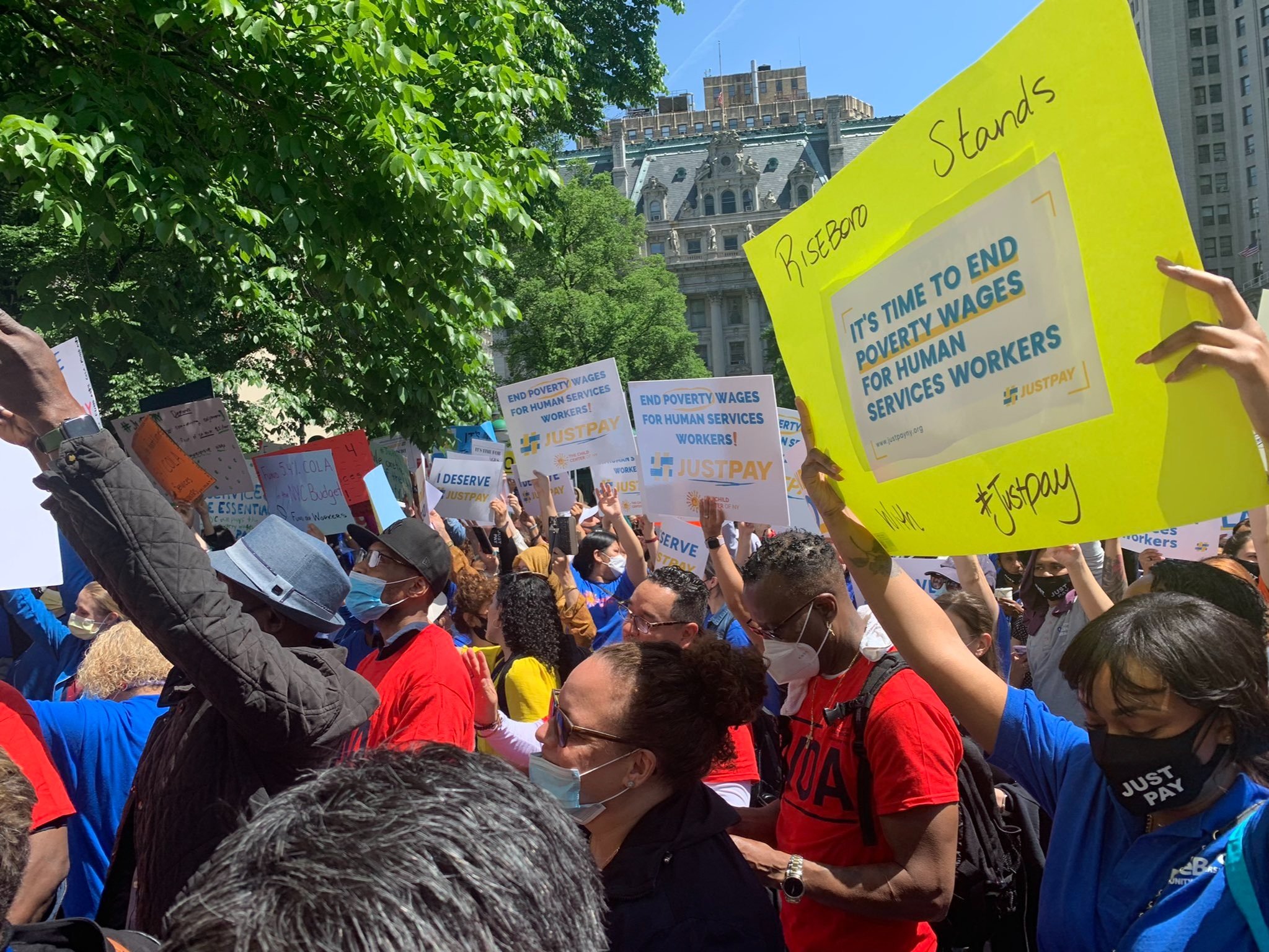
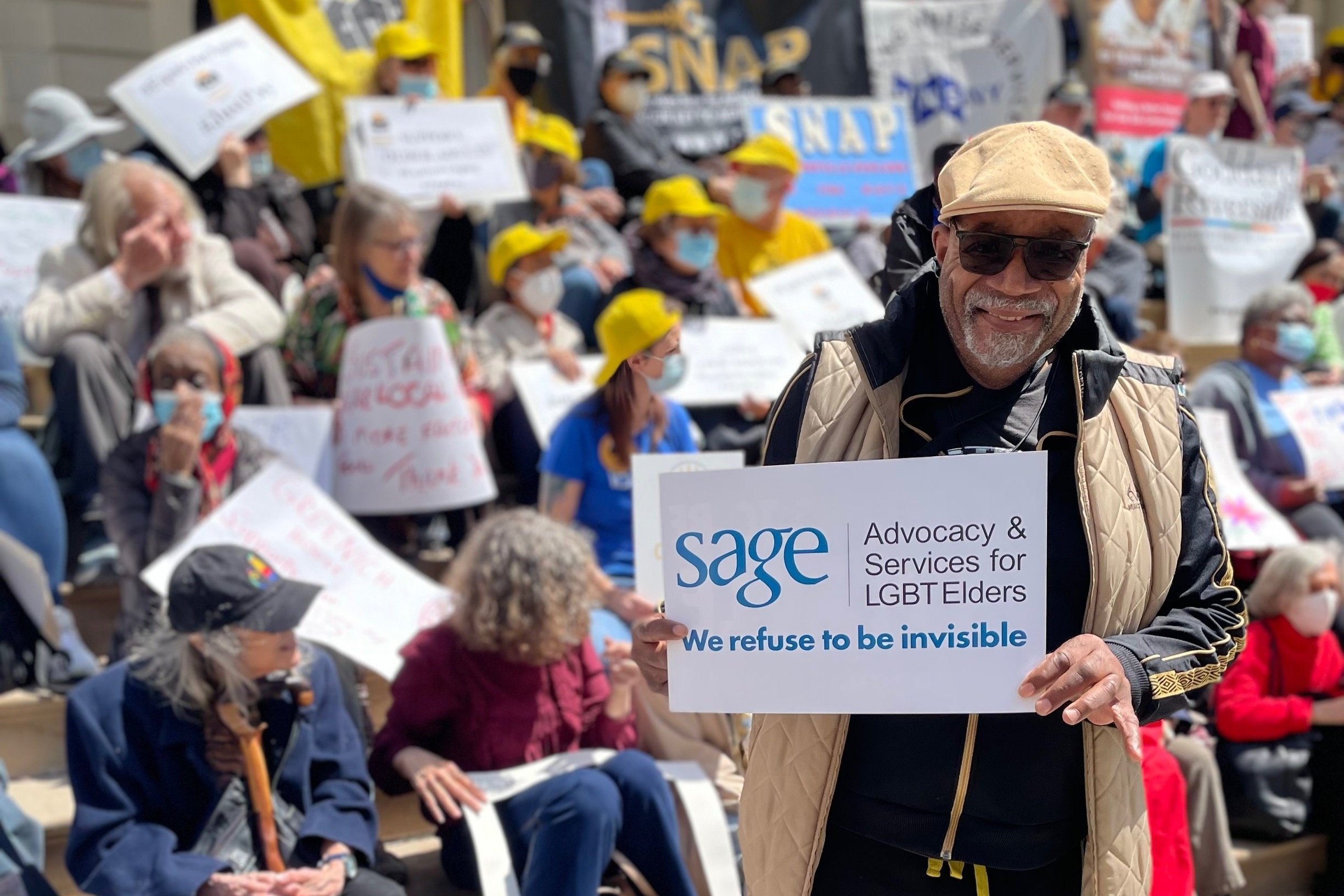
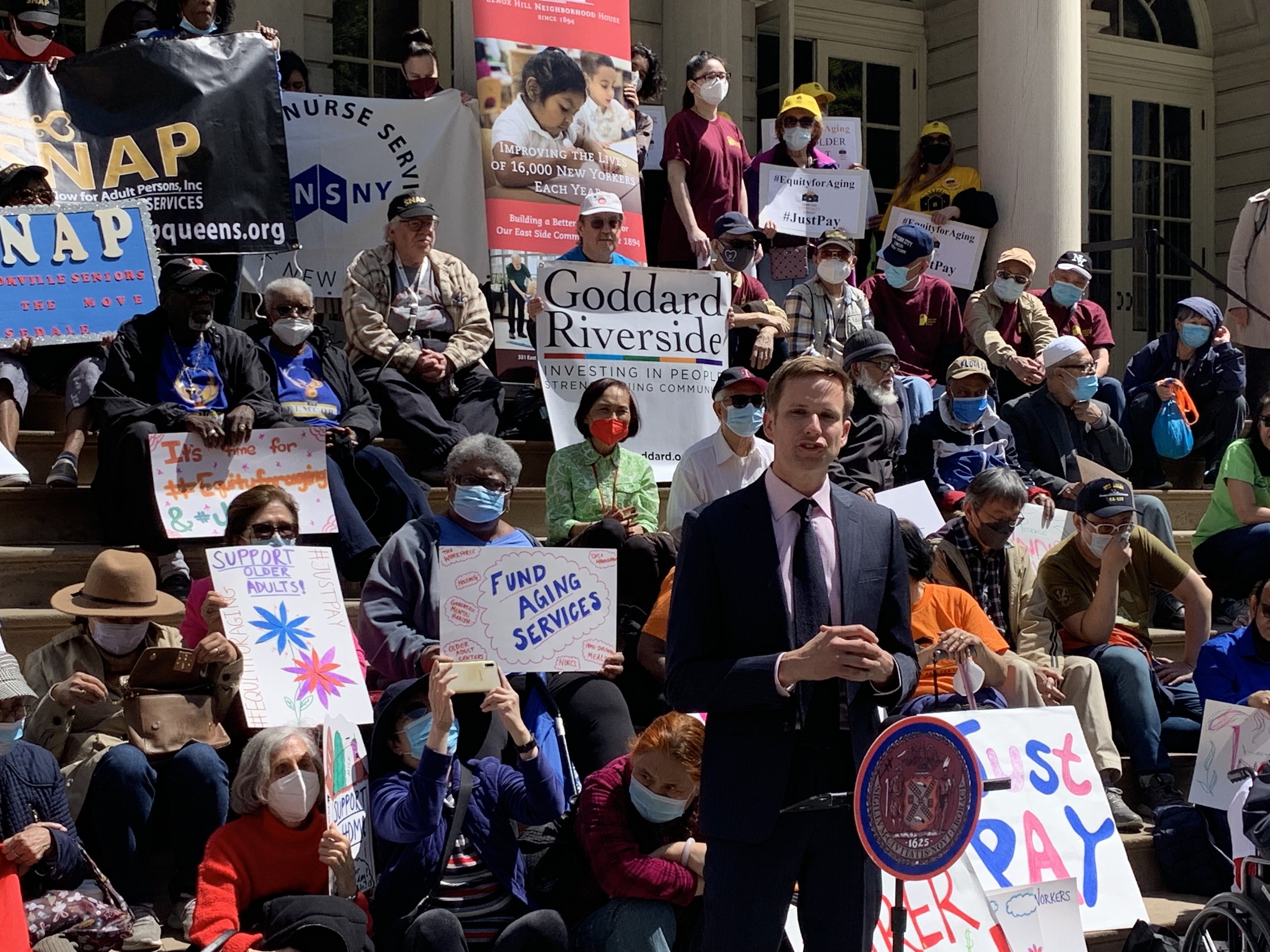
LiveOn NY is proud of the progress made, and even more proud to advocate for this incredible sector. We look forward to continuing to work together to make New York a better, more equitable place to age.
LiveOn NY continues to analyze the budget for additional details of interest to our sector, the above represents our analysis based off of the information currently available. We will update this for accuracy as new details emerge.
Questions?
Katelyn Andrews, Director of Public Policy and External Affairs, at kandrews@liveon-ny.org
or
Brianna Paden-Williams, Communications and Policy Associate, at bpaden-williams@liveon-ny.org