

News
&
Updates

Testimony on Nonprofit Contracting and the Joint Task Force to Get Nonprofits Paid on Time
Fully funding city contracts for human services provides economic security for the more than 662,000 workers who are directly employed in the field, the majority of whom are women, and people of color.. As we look ahead, LiveOn NY encourages the City to create long-term solutions to the chronic contract challenges and issues, nonprofit organizations have experienced for decades.
Committee on Contracts
Chair, Council Member Won
Committees on Youth Services
Chair, Council Member Stevens
Committee on Aging
Chair, Council Member Hudson
January 30, 2023
Oversight - Nonprofit Contracting and the Joint Task Force to Get Nonprofits Paid on Time.
My name is Brianna Paden-Williams and I am the Communications and Policy Associate at LiveOn NY. Thank you for the opportunity to testify.
LiveOn NY’s members include more than 110 community-based nonprofits that provide core services which allow all New Yorkers to thrive in our communities as we age, such as older adult centers, home-delivered meals, affordable senior housing, NORCs, and home care. LiveOn NY is also home to the Reframing Aging NYC Initiative, part of the national Reframing Aging Initiative aimed to counteract ageism and improve the way policymakers, stakeholders, and the public think about aging and older people. With our members, we work to make New York a better place to age.
Background
In New York City, the majority of human services programming is run through contracts with hundreds of nonprofit organizations across the city that employ tens of thousands of New Yorkers. However, for decades, city contracts have fallen short of reimbursing nonprofits for the full cost of delivering services.
Unfortunately, providers receive about 80 percent of what it actually costs to run programs, on average, forcing organizations to borrow money or spend administrative effort seeking alternative sources of funding.
These delays have put financial stress on community-based organizations that have been the backbone to providing lifesaving services and support to New Yorkers including older adults. The financial uncertainty due to low wages, payment delays and other factors makes it difficult for nonprofit organizations, including aging services providers, to plan for the future and to commit to meaningful partnerships as we continue to emerge from the pandemic and meet the demands of New Yorkers.
Fully funding city contracts for human services provides economic security for the more than 662,000 workers who are directly employed in the field, the majority of whom are women, and people of color.[1] Furthermore, it also ensures that organizations can continue to thrive and provide critical services for New Yorkers. As we look ahead, LiveOn NY encourages the City to create long-term solutions to the chronic contract challenges and issues, nonprofit organizations have experienced for decades.
Recommendations
Firstly, we invite the City to utilize our aging policy agenda, Aging is Everyone’s Business, released by LiveOn NY in partnership with Hunter College Brookdale Center for Healthy Aging, which is a bold policy agenda that provides actionable policy solutions to make New York a better, more equitable place to age.
Furthermore, to address the chronic challenges of City contracting for nonprofit organizations, LiveOn NY recommends the following:
Boost salaries of human service workers on city contracts to make them competitive and equitable across human services sectors. Poverty level wages from government underfunding have chronically left City contracted providers including human service workers with low wages, making it difficult for organizations to attract top talent, and resulting in frequent staff turnover.
These workers continue to serve our communities by innovating and adapting their operations and programming to the current reality shaped by the pandemic while being paid poverty-level wages through government contracts. The lack of livable wages for human service workers not only disadvantages communities who rely on these workers for lifesaving services but represents a critical and overlooked equity issue. We urge the City to commit to finally paying human services workers on City contracts a fair and equitable wage.
Empower nonprofits to make expenses that they feel will best serve their communities by building more flexibility within their contracts. Most notably, at the peak of the pandemic, many City contracted providers, including several of LiveOn members, completed the Older Adult Center RFP issued by DFTA that aimed to rethink how we provide services and programming for older adults. While this RFP was an opportunity to develop innovative programming to support older adults, providers were asked to complete this RFP without the pandemic in mind, despite the changing landscape of aging services and the human services sector at large. As providers emerge from the pandemic, many community-based organizations with City contracts are now faced with unique challenges as the needs of older adults have evolved. To address this, LiveOn NY encourages the City to assess how flexibility can be built into City Contracts to allow providers to adapt to the evolving needs of older adults.
The City must also continue to improve the timeliness of payments to non-profits, as well as the contracting process itself. Many nonprofits are paid at the end of the contract period, requiring them to front program expenses until they can be reimbursed. Too often, providers experience significant delays in the payment process due to late contracts registration and a burdensome and confusing process. The city must standardize the contracting process across agencies and create functionalities that reduce redundancies for nonprofits that are awarded multiple contracts. Furthermore, LiveOn NY encourages the City to improve the timeliness of discretionary funding for community-based organizations. Many programs, particularly smaller, hyper-local nonprofits that serve hard-to-reach senior populations rely on discretionary funding to ensure their communities can be served. As of today only 5% of the city’s FY 23 discretionary contracts have been registered, and a full ⅓ of FY 22 contracts remain unregistered. 60% of the contracts amount to $50,000 or less, but they only represent 8% of the total funding. To address this issue, we encourage the City to treat discretionary funding similar to grants to streamline the process.
Furthermore, within the Request for Proposal (RFP) process, the City must ensure that providers have 30 days to respond following the final addendum released to ensure providers have adequate time to sufficiently complete the RFP. Most recently, last month, the Department for the Aging, also known as NYC Aging, released the Case Management RFP that many of LiveOn NY’s members have submitted proposals for. While this RFP was released in December right before the holidays, the final Addendum was released just 7 days before the submission deadline for the Case Management RFP, not giving providers the adequate time to review the addendum and make any necessary changes for their proposal. Furthermore, while LiveOn NY appreciates the salary requirements within the Case Management RFP to address pay equity in the human services sector, LiveOn NY has heard many concerns from our members on whether the rates are sufficient to cover both the salary requirements and the necessary funding to provide case management services in New York City.
Proposed Legislation
LiveOn applauds Contracts Chair Won and Youth Services Chair Stevens for introducing the following legislation aimed at improving City contracting for nonprofit organizations including human service providers, and thanks Chair Won, Chair Stevens and Chair Hudson for their advocacy.
LiveOn NY offers the following feedback on the proposed legislation:
Intro 510
LiveOn NY supports the intent of Intro. 510. This bill would ensure that human service workers contracted with the city would be paid prevailing wages set by the comptroller. While this bill is an important step forward in recognizing that our human service workforce is underpaid and undervalued in our city, we must not put additional financial strain on providers without commensurate investment from the city. Many providers are already financially struggling dealing with high costs related to service and delays in payments from existing contracts and adding additional costs without additional funding would only further strain an already overburdened system.
Intro 511
LiveOn NY supports Intro. 511, which would require the procurement policy board (“PPB”) to set time limits within which agencies would be required to complete each step of the procurement process. Many of our members have experienced financial instability due to the unpredictable nature of the city’s contracting and procurement process. Contracts have been registered a full year after they were awarded in some cases and these delays create additional costs and uncertainty for city contracted providers. A clear and accountable timeline for contract and procurement procedures would help get our service providers paid on time and in a predictable manner.
Intro 514
LiveOn NY supports Intro. 514, which would require the establishment and maintenance of a searchable public online database to contain information from all stages of the contracting process for every mayoral agency procurement that exceeds the small purchase limits. Transparency is key in holding agencies accountable for timely and reliable payments in contracts and a public database would create an avenue to do just that. It would also allow for a holistic view of our contracting system across all city contracts to identify and solve systemic issues in the contracting and procurement process.
Thank you for the opportunity to testify.
[1] Nonprofit New York (2021). 2021 City Policy Platform: New York City. Accessed at https://www.nonprofitnewyork.org/act/2021-nonprofit-policy-platform/

LiveOn NY's Statement on the 2023 State of the State Address
This Tuesday, Governor Hochul held her State of the State address, articulating policy and budgetary priorities for the coming session including aging related commitments to support all New Yorkers as we age. LiveOn NY applauds Governor Hochul commitments outlined in the agenda, which serve as significant markers of what's likely to come on the state level this year.
LiveOn NY Applauds Governor Hochul Commitment to Older New Yorkers in Her State of the State Address
January 13, 2023 (New York, NY) – This Tuesday, Governor Hochul held her State of the State address, articulating policy and budgetary priorities for the coming session including aging related commitments to support all New Yorkers as we age. LiveOn NY applauds Governor Hochul commitments outlined in the agenda, which serve as significant markers of what's likely to come on the state level this year.
"LiveOn NY thanks Governor Hochul for her commitment to support all older New Yorkers as well as direct providers, organizations and agencies who provide critical services that allow older adults to age in community," stated Allison Nickerson, Executive Director of LiveOn NY. "We look forward to working with the Governor and her counterparts in the Legislature to enact these key pieces of her agenda and to continue to push forward in making New York a better place to age."
Most notable aging related commitments include:
Ensure Access to Aging Services and High-Quality Long-Term Care: To ensure access to aging services, high-quality long-term care, and the ability for senior New Yorkers and their caregivers to make informed choices on where to seek care, Governor Hochul aim to:
Invest in care teams to provide care for low income adults in their home, helping to ensure New Yorkers can age in place.
Provide respite care for high-need family caregivers, granting relief for those who oversee care of their loved ones.
Establish quality reporting and accreditation for assisted living residences and implement quality improvement initiatives in nursing homes to promote transparency and make it easier for New Yorkers to make informed choices
Create Housing for Older LGBTQ+ New Yorkers: Older LGBTQ+ New Yorkers face distinct challenges in accessing affordable and affirming housing. Smaller family support networks make LGBTQ+ seniors more reliant on community service providers. Many older LGBTQ+ residents put off important housing decisions out of fear of being mistreated by housing providers and neighbors alike. Governor Hochul will direct HCR to provide funding specifically for affordable housing projects that are LGBTQ+-affirming for older New Yorkers.
Authorize the City of New York to Legalize Basement Apartments, that would “propose providing the City of New York with the local authority to provide amnesty by local law for existing basement units that meet health and safety standards to be determined by the City.”
Increase the housing stock in the state by 800,000 over 10 years to address the state's lack of housing development that has led to a shortage of affordable housing and aim to reduce housing costs and allow people to afford to stay in their communities as they age.
Read the 2023 State of the State for additional information.
Press Contact:
Kevin Kiprovski, Director of Public Policy, kkiprovski@liveon-ny.org
Brianna Paden-Williams, Communications and Policy Associate, bpaden-williams@liveon-ny.org
About LiveOn NY:
LiveOn NY’s members provide the core, community-based services that allow older adults to thrive in their communities. With a base of more than 100 community-based organizations serving at least 300,000 older New Yorkers annually. Our members provide services ranging from senior centers, congregate and home-delivered meals, affordable senior housing with services, elder abuse prevention services, caregiver supports, case management, transportation, and NORCs. LiveOn NY advocates for increased funding for these vital services to improve both the solvency of the system and the overall capacity of community-based service providers.
LiveOn NY also administers a citywide outreach program and staffs a hotline that educates, screens and helps with benefit enrollment including SNAP, SCRIE and others, and also administers the Rights and Information for Senior Empowerment (RISE) program to bring critical information directly to seniors on important topics to help them age well in their communities.
###

LiveOn NY's End of Year Recap
As 2022 comes to a close, we reflect on all that we have accomplished to support older adults and professionals in New York. Nonetheless, we know this work wouldn’t be possible without our LiveOn NY network—our member organizations, government partners, stakeholders, advocates and older adults — that have shown up everyday to provide critical services and support to older New Yorkers. We thank each and everyone of you that showed up to ensure all older adults regardless of their background can age in community.
LiveOn NY's End of Year Recap
As 2022 comes to a close, we reflect on all that we have accomplished to support older adults and professionals in New York. Nonetheless, we know this work wouldn’t be possible without our LiveOn NY network—our member organizations, government partners, stakeholders, advocates and older adults — that have shown up everyday to provide critical services and support to older New Yorkers. We thank each and everyone of you that showed up to ensure all older adults regardless of their background can age in community. Most notably, we:
Built political will to reframe aging
Hosted two Reframing Aging virtual trainings with over 200 participants
Launched an Online Reframing Aging Resource Center
Completed over 230 engagements including public speaking presentations, testifying at hearings, community events, op-eds, and more
Hosted a virtual Aging Services Briefing for staff of Council Members' offices to provide insight into the challenges faced by older adults, direct service providers, and organizations, particularly during the pandemic, and how we hope to build a better future for all New Yorkers.
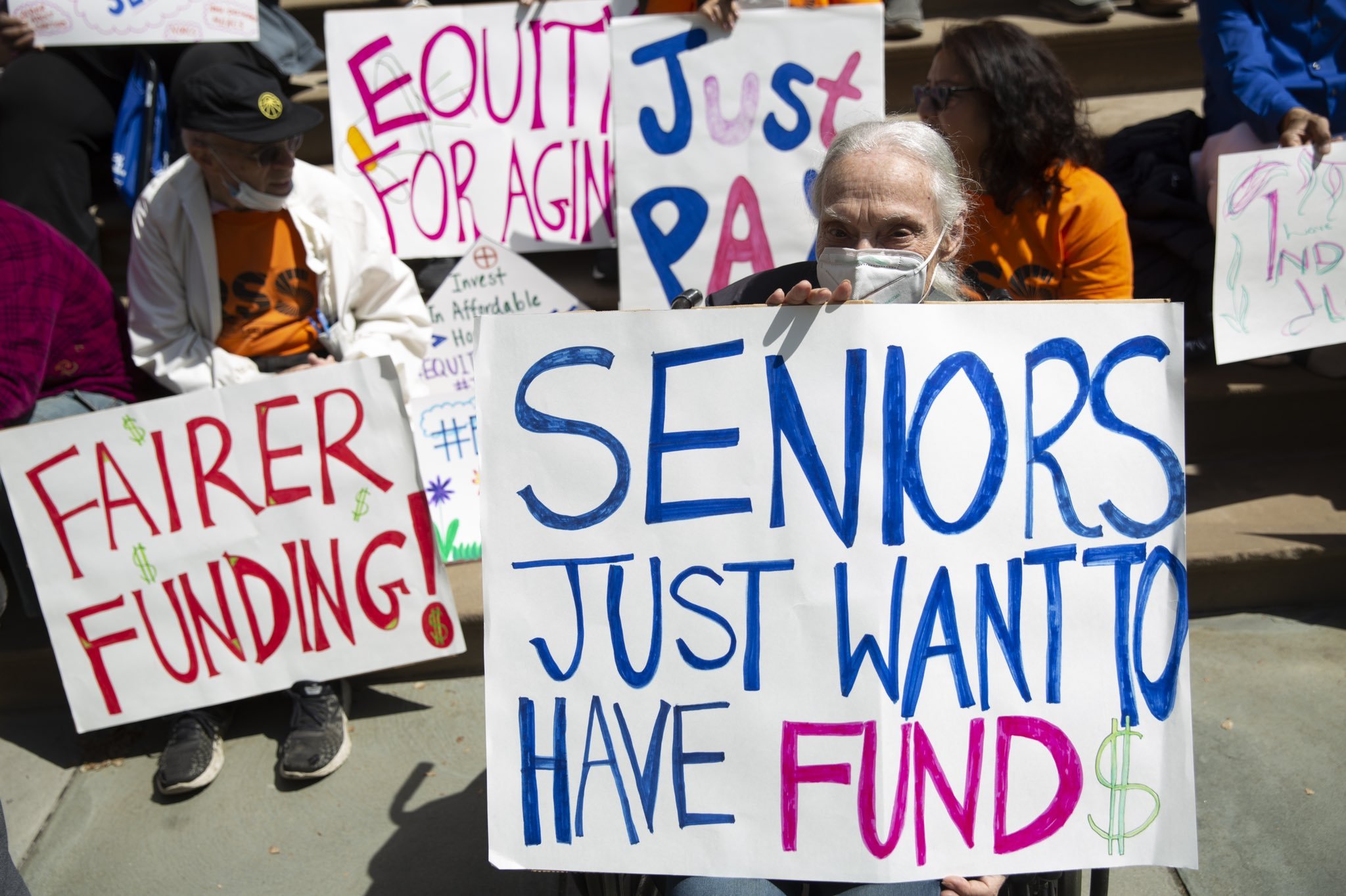
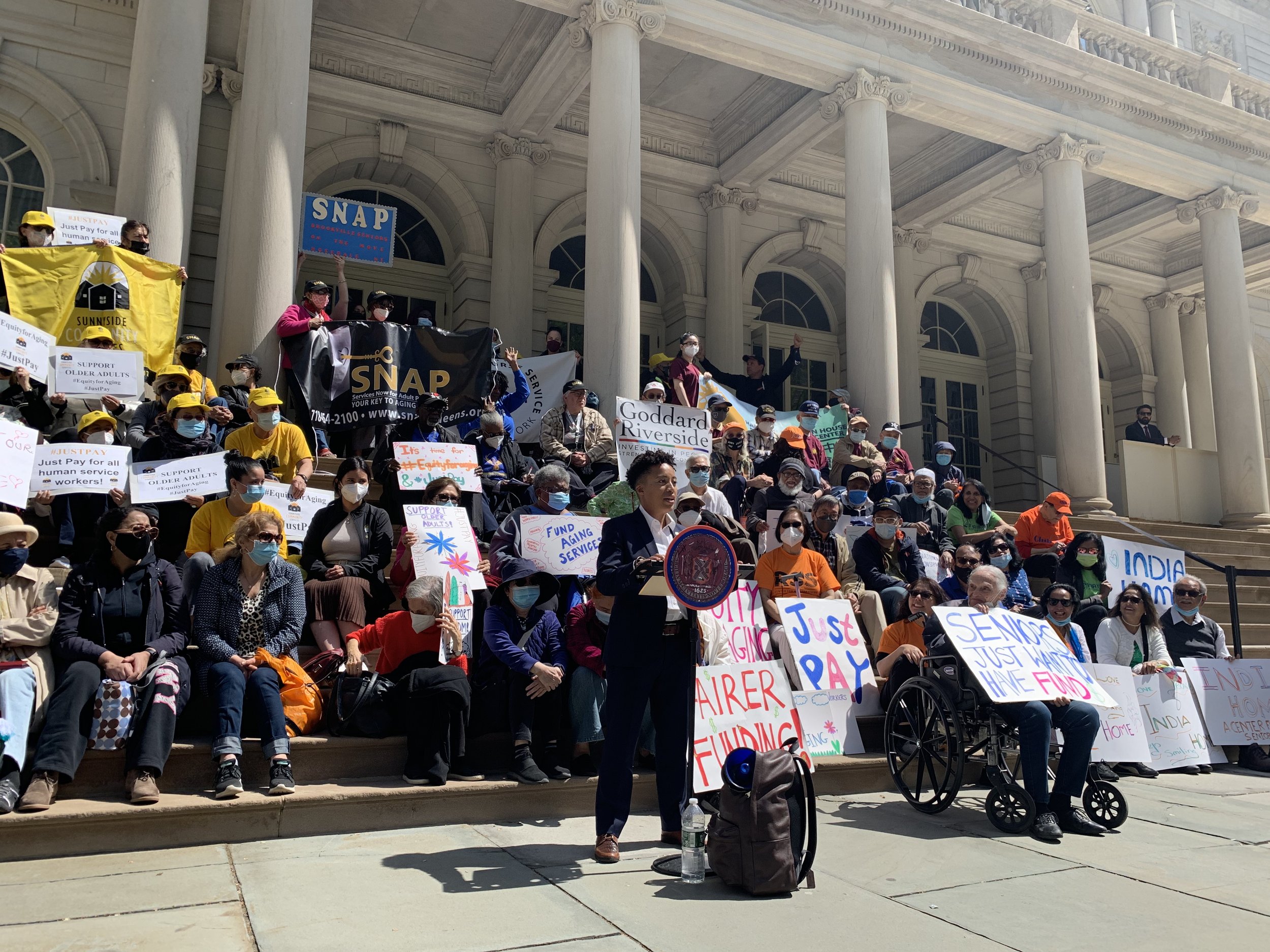
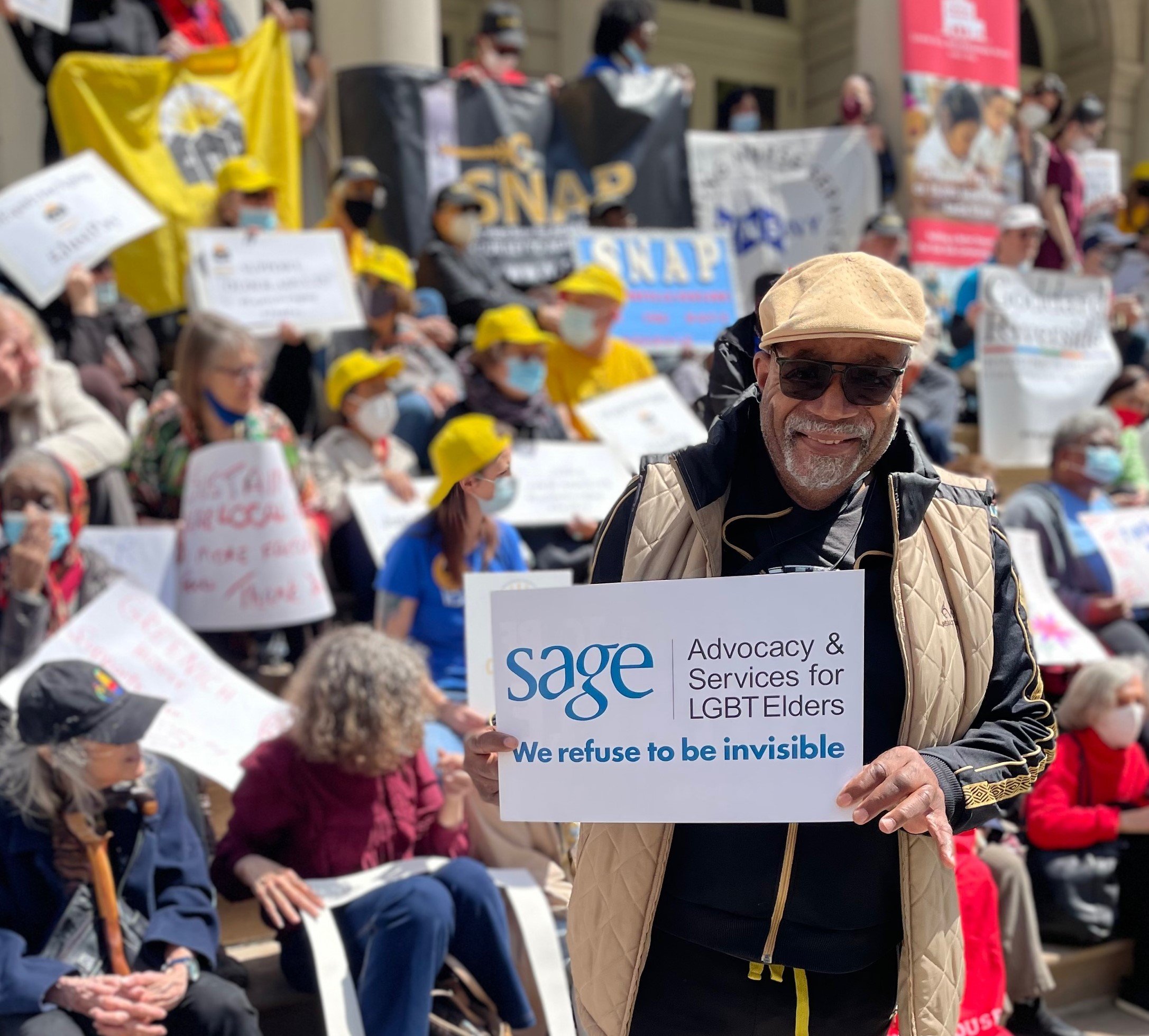
Hosted our 27th Annual Advocacy Day in-person with roughly 200 older adults and aging service professionals joined LiveOn NY on the steps of City Hall to demand #EquityforAging and #JustPay in the budget. During this we were proud to have remarks given by 8 New York City Council Members including Aging Chair, Council Member Crystal Hudson, 3 professionals from our member organizations, and 1 older adult participant.
LiveOn NY was a proud supporter of the Just Pay campaign, led by the Human Services Council, which resulted in a $60 million human services workforce investment.
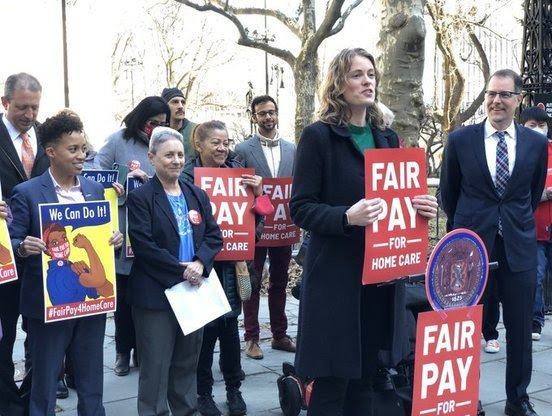
LiveOn NY was proud to support the Fair Pay for Home Care campaign, led by the Caring Majority, which resulted in a $3 hourly raise for home care workers over the next two years.
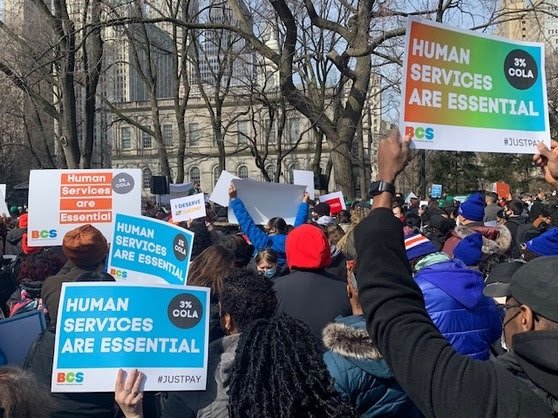

Supported the nonprofit workforce and aging service infrastructure
Hosted our 32nd Annual Conference on Aging and Sponsor Expo, which we held virtually for the second time, thereby providing critical information, education and professional networking opportunities to 567 attendees—a record.
Launched a new Emotional Wellness Training Series in partnership with experts in the field such as SPOP, Compassion It, and the NY Peace Institute to support our members through some of the most challenging issues including burnout and mental health issues.
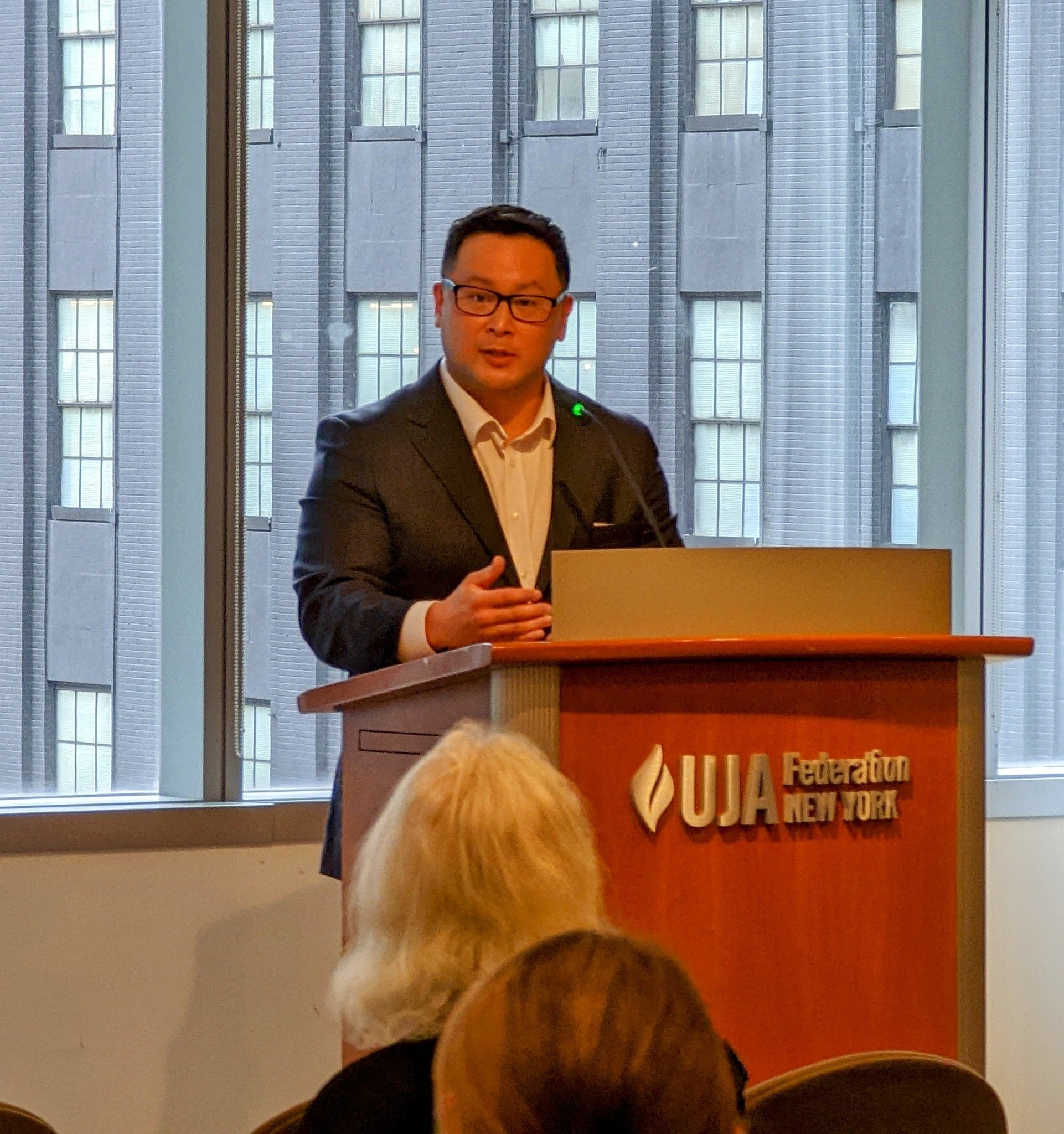
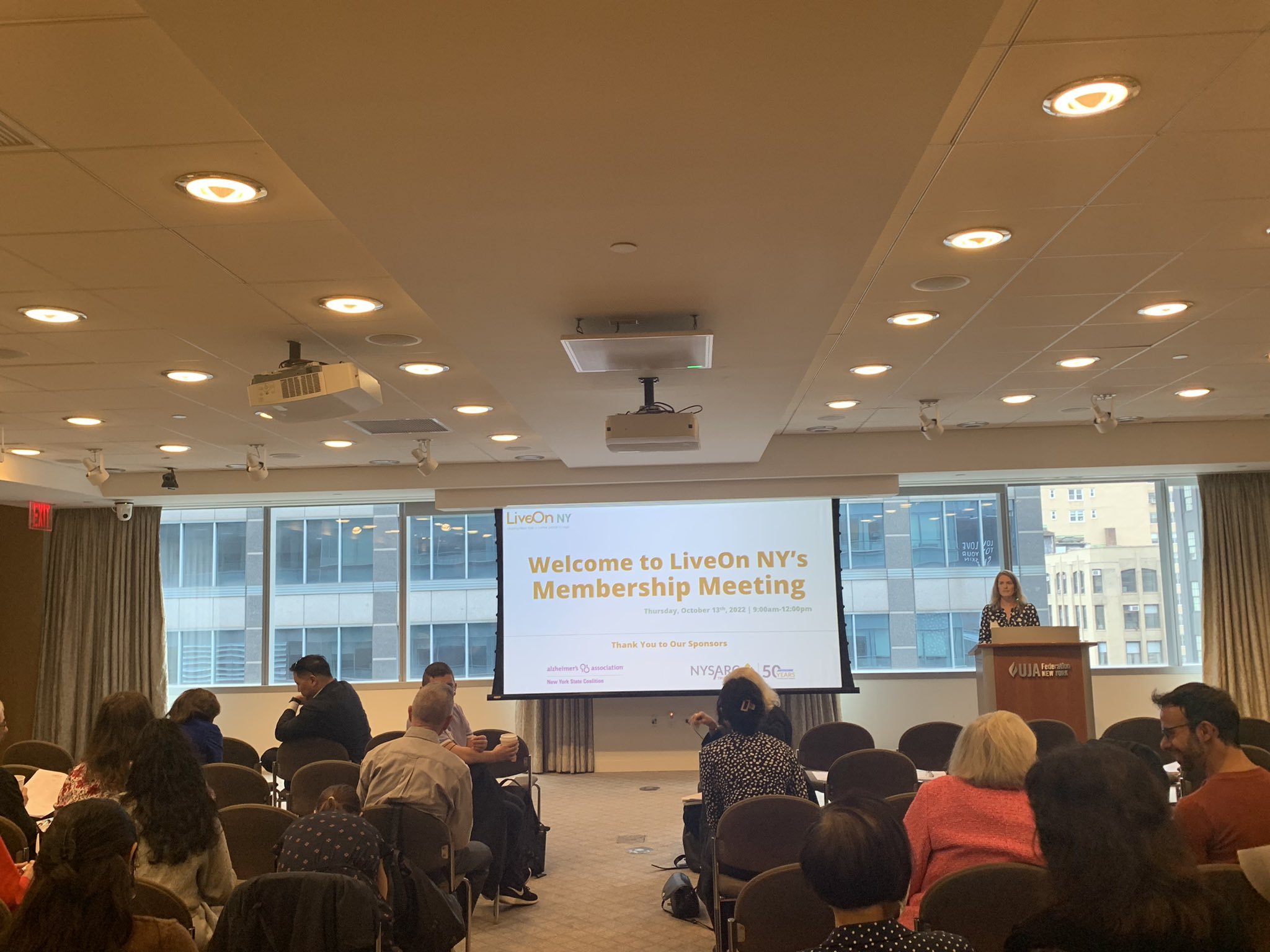
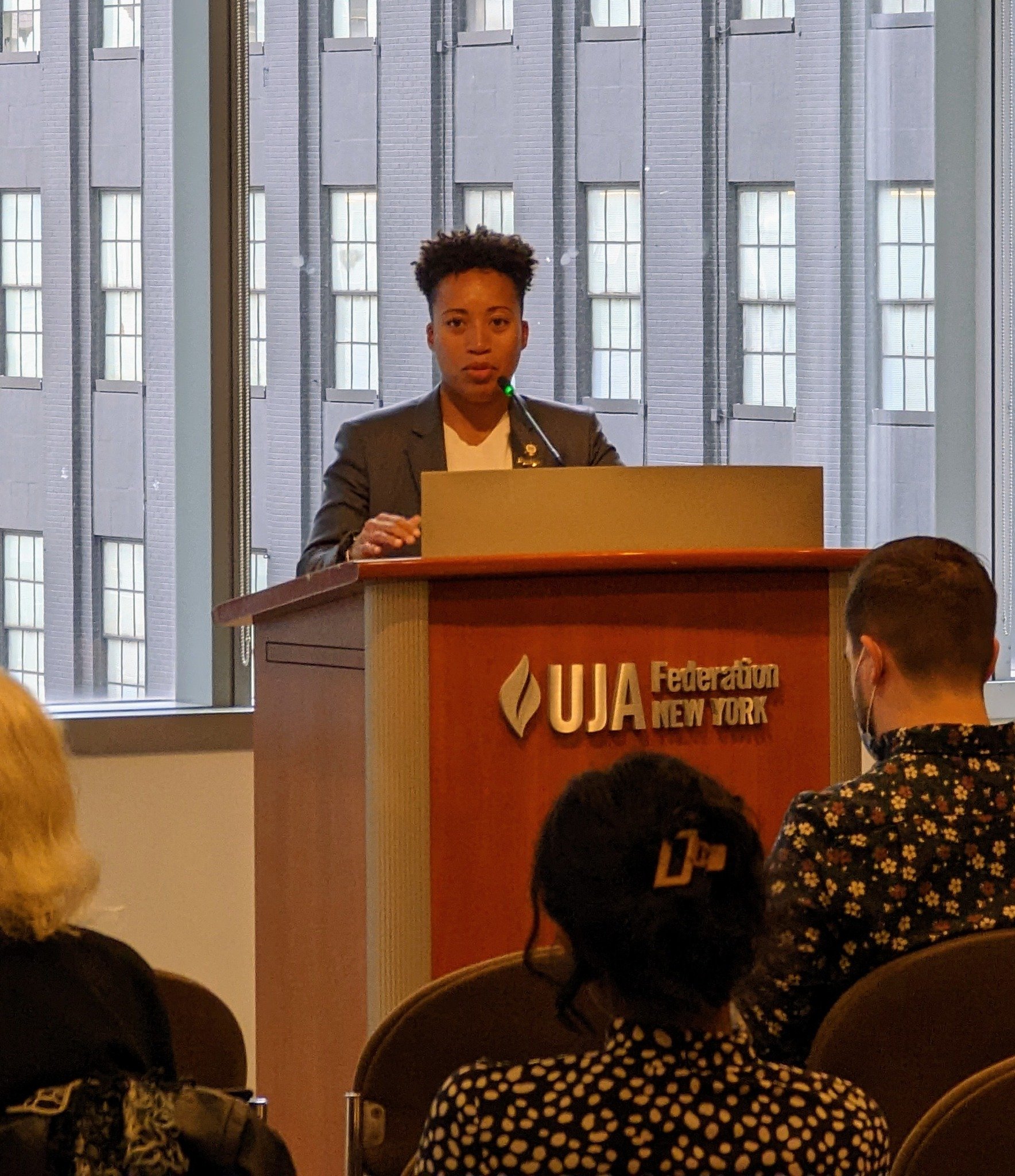
Held our in-person Membership meeting sharing updates for the coming year as well as heard updates on the human services sector from Michelle Jackson, Executive Director at the Human Services Council. In addition, we received remarks from Aging Chair, New York State Senator Rachel May, Chair of the Committee on Aging and Aging Chair, Assembly Member Ron Kim and Council Member Crystal Hudson. We were also joined by guest speaker Dr. Wenimo Okoya, Founder & Executive Director of The Healing Schools Project, who taught us about creating restorative spaces.
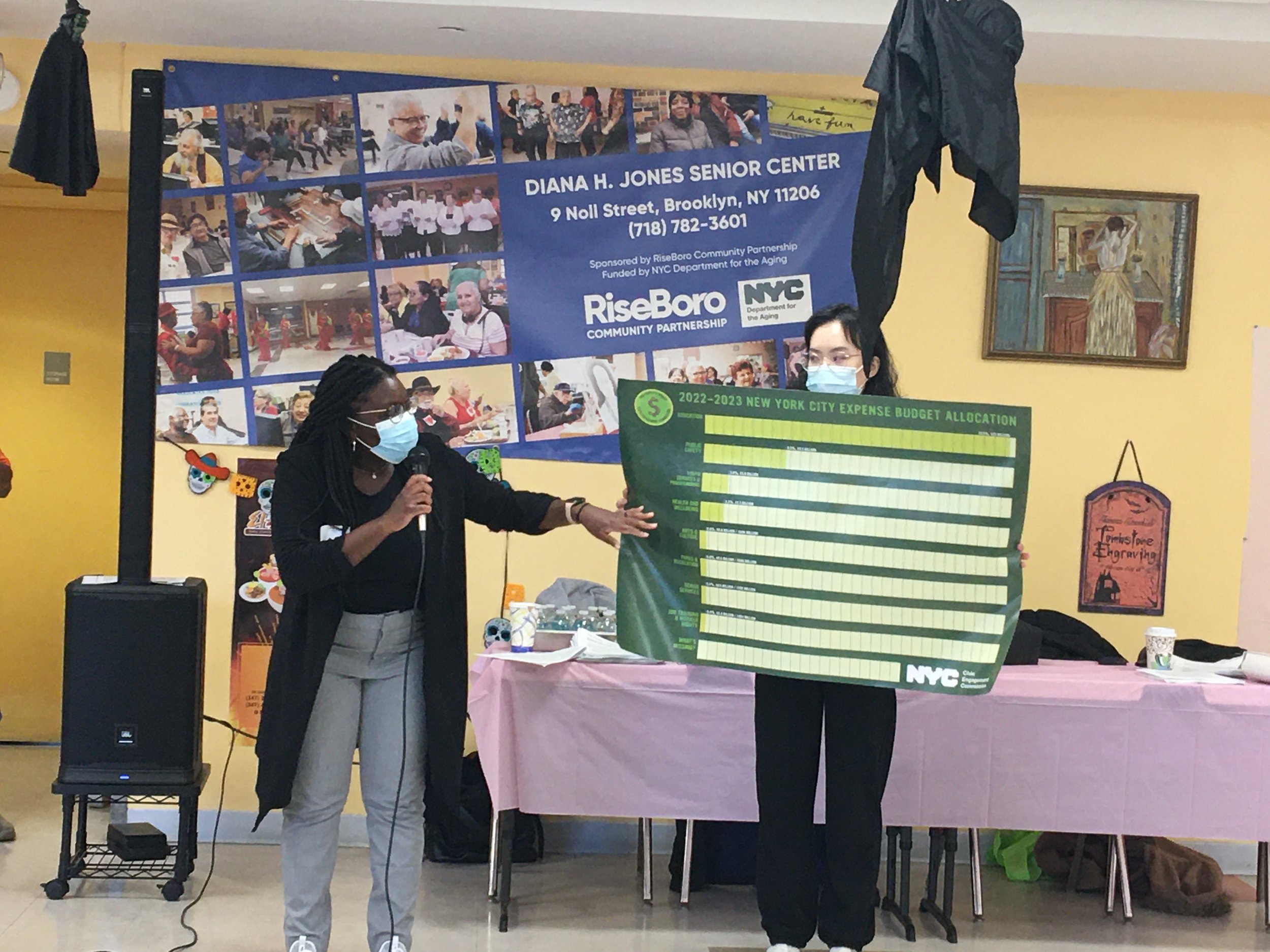
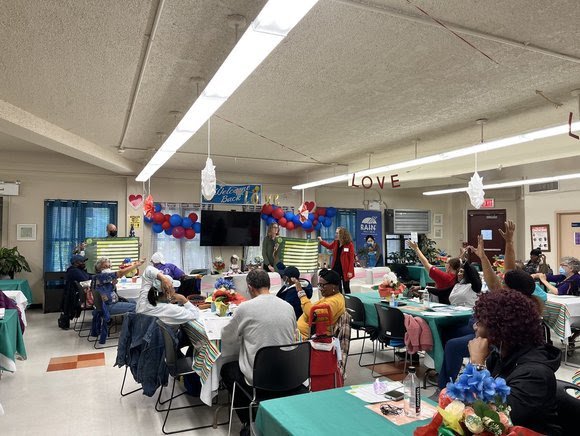
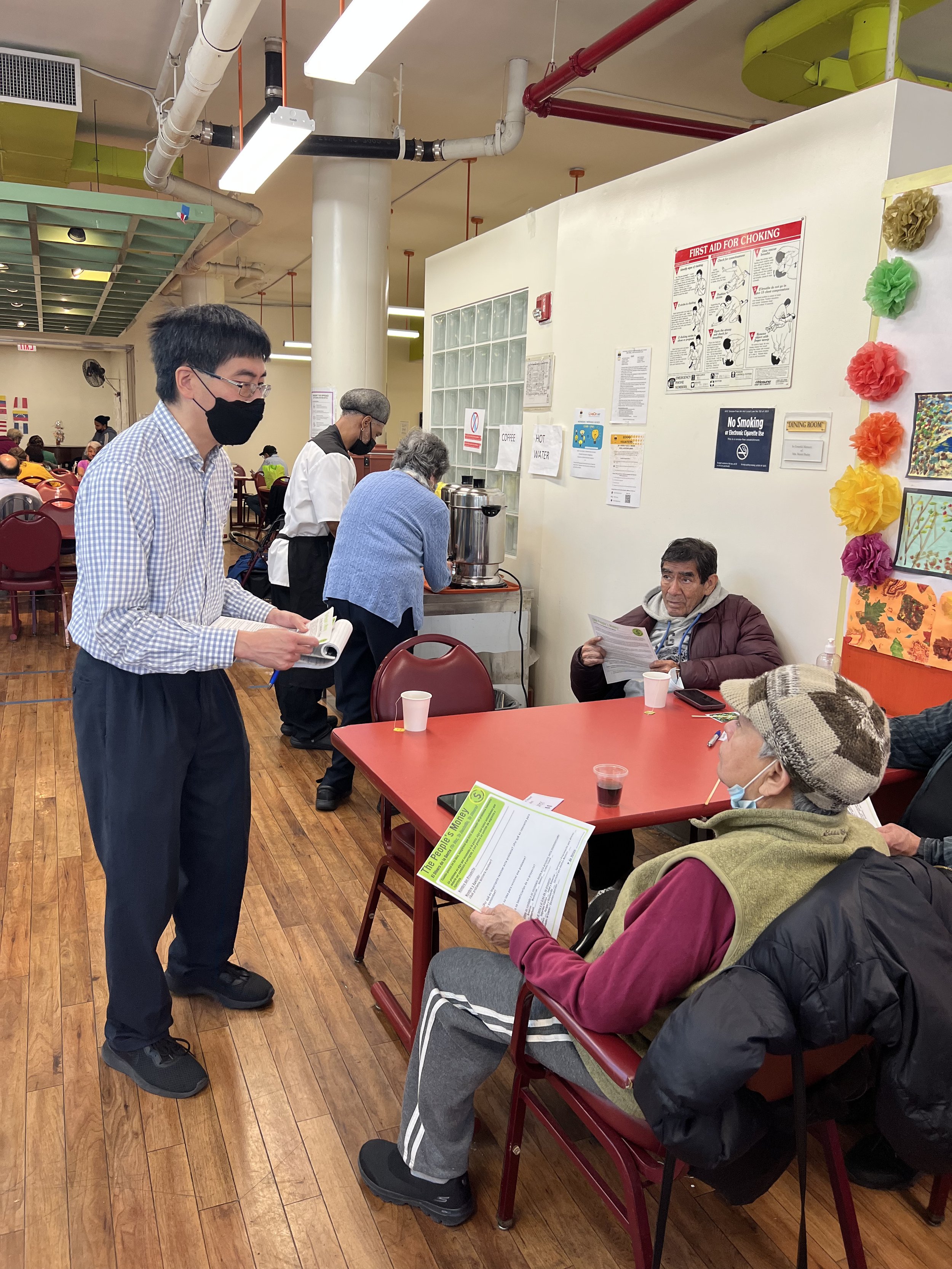
Participated in the first-ever citywide participatory budgeting process, in partnership with the Civic Engagement Commission, to hear from the older adults on issues impacting their community and collect ideas on how New York City should spend $5 million in public funding.
Facilitated and managed continuous committees, taskforces and gatherings for over 150 nonprofit organizations throughout the State of New York to disseminate critical information and coordinate response efforts, as well as provided self care and mental health-related support to nonprofit professionals responding to the COVID emergency.
Provided one-on-one assistance to older New Yorkers to help them make ends meet
LiveOn NY's Benefits Outreach Program provided benefits screening and assistance to nearly 2,600 older adults in the last 12 months.
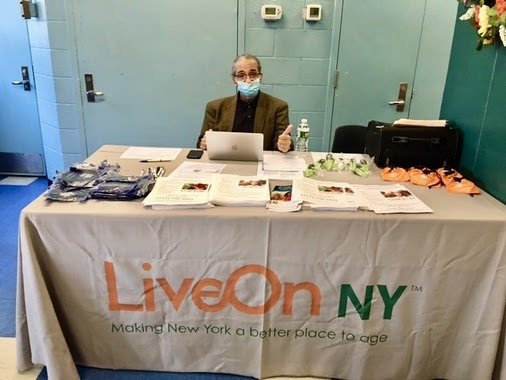
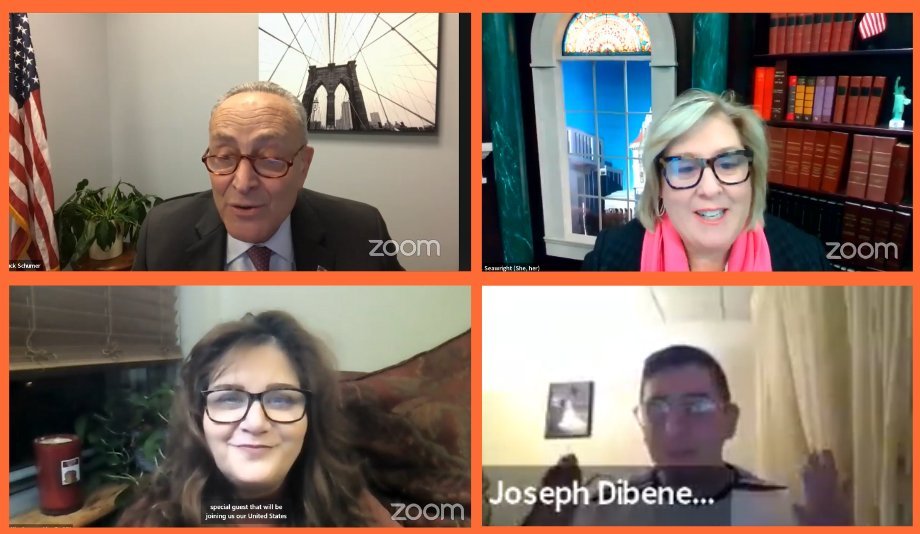
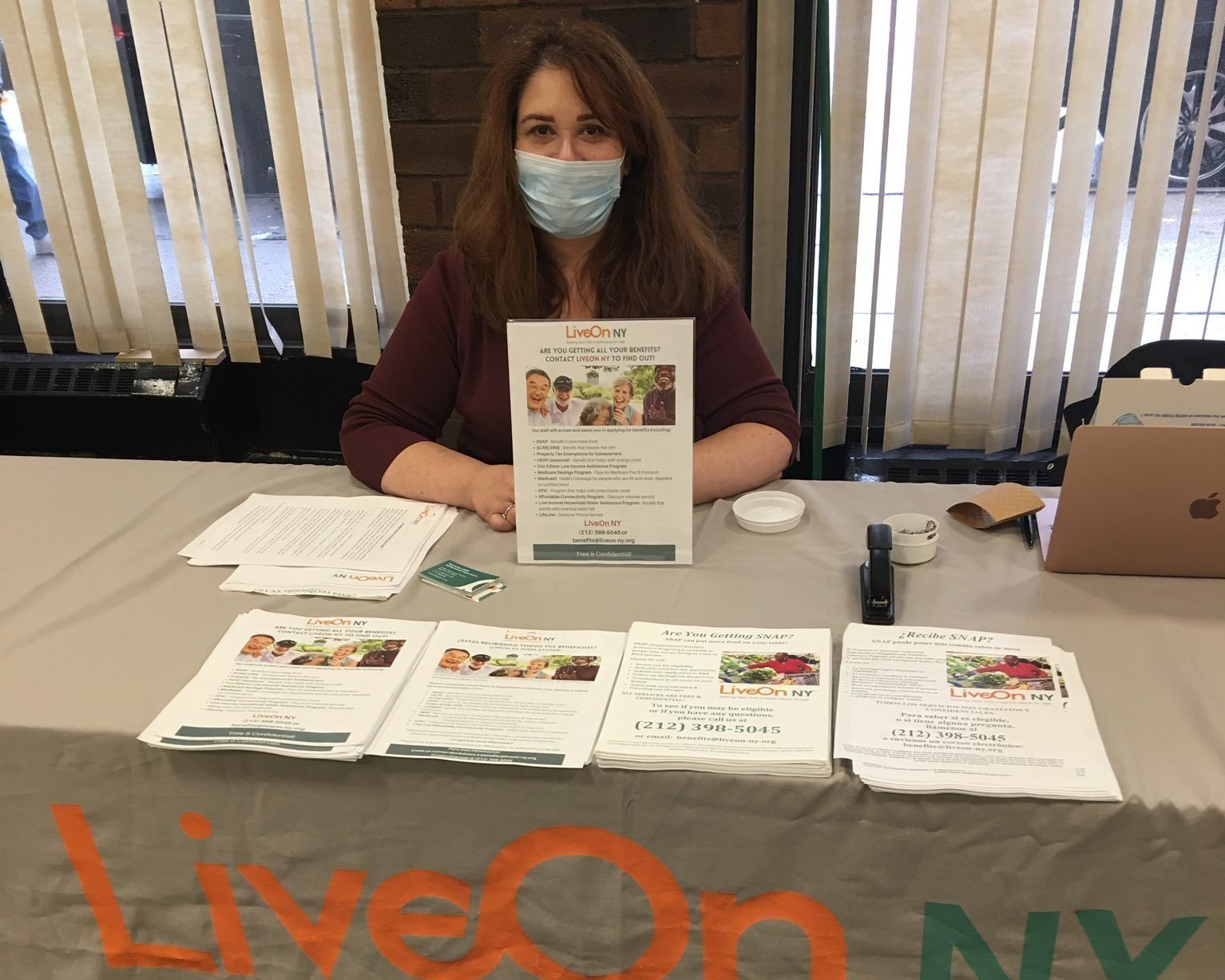
LiveOn NY is proud of all we’ve accomplished in 2022, and even more proud to advocate for this incredible sector. We look forward to continuing to work together to make New York a better, more equitable place to age.

Testimony on Food Insecurity And Older Adult Centers
As we work to get older New Yorkers back out into the community, it’s clear Older Adult Centers are hubs for socialization, diverse programming, and other critical services. The City has the opportunity to create long term solutions and make meaningful investments to ensure all New Yorkers have access to equitable community-based services in their community.
New York City Council
Subcommittee on Senior Centers and Food Insecurity
Chair, Council Member Mealy
Committee on Aging
Chair, Council Member Hudson
December 14, 2022
Oversight - Food Insecurity And Older Adult Centers
Thank you for the opportunity to testify.
LiveOn NY’s members include more than 100 community-based nonprofits that provide core services which allow all New Yorkers to thrive in our communities as we age, including older adult centers, home-delivered meals, affordable senior housing, elder abuse prevention, caregiver support, NORCs, and case management. With our members, we work to make New York a better place to age.
Background
For many older New Yorkers, food insecurity remains a harsh reality of daily life. During COVID-19, food insecurity was deeply exacerbated by issues not only economic, but related to access as well, as seniors were advised to “stay home” to mitigate risk of contracting the virus. During this time, Older Adult Centers found new ways to provide critical services from setting up zoom classes to enrolling clients in emergency food systems, all in the face of unprecedented demand and a public health crisis.
Prior to the pandemic, many older adults relied on meals from the Older Adult Center for more than half of their daily nutritional intake. An estimated 21% of older adults living in New York City are facing poverty and too often older adults have to choose between paying their rent and buying food. For a growing diverse aging population, Older Adults Centers were a lifeline during the pandemic, particularly in response to the increased risk of food insecurity and rise in social isolation that plagued many older adults.
As we work to get older New Yorkers back out into the community, it’s clear Older Adult Centers are hubs for socialization, diverse programming, and other critical services. The City has the opportunity to create long term solutions and make meaningful investments to ensure all New Yorkers have access to equitable community-based services in their community. In response LiveOn NY recommends the following:
Recommendations
Firstly, we invite the City to utilize our aging policy agenda, Aging is Everyone’s Business, released by LiveOn NY in partnership with Hunter College Brookdale Center for Healthy Aging, which is a bold policy agenda that provides actionable policy solutions, including food insecurity, to make New York a better, more equitable place to age.
Second, in order to address these challenges and created long-term solutions focused on New York City’ congregate and home delivered meals program, LiveOn NY recommends the City should:
Assess and allocate funding for the significant inflationary impacts on raw food, gas prices, and other infrastructure needs for contracts
Many of LiveOn NY’s members have raised their concern of the impact inflation cost for raw food, gas prices and other infrastructure items. For example, one of our members saw a 40% increase in raw food cost due to inflation this year. The unavoidable financial strain has created challenges for providers to continue to meet the growing capacity for home-delivered meals, in addition, providing congregate meals at Older Adult Centers.
Continue to support new models of service including grab-and-go meals. During the COVID-19 pandemic, food insecurity among older adults was deeply exacerbated by issues not only economic, but related to access as older adults were required to “stay at home” to reduce the chances of contracting COVID-19. New models of service such as grab-and-go were critical and successful in ensuring, who may not be comfortable congregating due to COVID risks, or for personal reasons are less willing to meet their nutritional needs by eating at an Older Adult Center, have the option to take their meal home, a decision that ensures one’s nutritional needs can be met in the environment of one's choosing.
Work with Older Adult Centers to assess the utilization of congregate meals at Older Adult Centers as providers continue to adapt to the new normal.
It’s evident Older Adult Centers have returned to a new normal that has posed new challenges for in-person services and programming including congregate meals. Coupled with the growing concerns voiced by older adult participants such as public safety concerns, new mobility and cognitive challenges that may have arisen during the pandemic, lack of reliable transportation and other factors, illustrates a new reality for OACs and older adults. Nonetheless, LiveOn NY recognizes the importance of congregate meals to keep older adults fed as well as combat isolation through socialization at OACs and other services. In response to this DFTA must work with OACs to ensure we are addressing the new challenges for both older adults and providers.
Assess the demand for case management to ensure all clients can be screened for case management eligibility and receive this critical service should they be eligible.
Further, exacerbated by the long-term health impacts of isolation and other stressors experienced over the past year and a half, many meal recipients of home-delivered meals may require some level of case management to remain independent and safe in their communities. These waiting lists have required advocacy for additional funding each year, and indicate a need for early and significant upfront investments to avoid the continued cycle of recurring waiting lists.
Assess the demand for culturally competent meals for congregate and home-delivered meals
Almost 60% of New Yorkers 65 years or older, identify as a minority of an ethnic group, reflecting a significant need for meals that are culturally appropriate. The diversity of religious and health requirements - such as Kosher, Halaal, gluten free, vegetarian, vegan, or other consumer demands- also impacts the variety and associated cost of the meals providers must serve. The City must work to ensure older New Yorkers of all backgrounds and communities have access to culturally appropriate meals.
Additional recommendations outside of the congregate and home delivered meals portfolio to address food insecurity for older adults include:
Access to SNAP benefits for older adults
The under-enrollment rate of SNAP benefits is a major problem among older adults as well as other public benefits. Older adults face many barriers to utilize SNAP benefits including stigma, misconceptions about SNAP benefits, language barriers, and other obstacles. SNAP benefits help keep food on the table for New Yorkers including older adults. To respond to this, LiveOn NY recommends the City continues its strong outreach effort to ensure older adults know about and enroll in SNAP.
Develop and launch a centralized NYCFood Page to ensure all older adults can access food in their own neighborhoods.
We encourage the City to create a single, centralized, user-friendly NYCFood page that clearly lists all of the free or low cost-food options available to any individual. These options should range from older adult centers to pantry locations, to ensure all New Yorkers know how to access food in their neighborhoods at all times. Users should be able to filter by zip code, special status (like ‘senior’), hours of operation, and income limitations.
Pilot a Food Voucher Program for older adults
Pilot a food voucher program where older New Yorkers can sign up through older adult centers to get vouchers towards meals at participating restaurants. For example, Erie County, NY, has a similar program called “Go & Dine.” In addition, Visions, an NYC-based older adult center, also has a diner voucher program.
Increase public funding support for local food pantries
In addition to OACs, there are over 500 food pantries in New York City. Older adults heavily rely on food pantries as an additional resource to receive food and groceries in their neighborhoods, making up an estimated 27% of the New Yorkers who visit the City’s food banks. . To respond to this, LiveOn NY recommends the City to increase public funding support for food pantries so that they can keep up with the high demand for food and groceries.
Thank you for the opportunity to testify.

Testimony on Home-Based Long-Term Care Services
While the older adult population continues to be the fastest growing demographic, making up nearly 16% of the State’s population, the programs that support older New Yorkers remain chronically underfunded. Representative of this underfunding, last year the overall state budget grew by 3.1% in the Executive Budget, while the NYSOFA budget lagged behind overall growth, at 1.8%, despite the population it serves making up a larger and larger share of the overall population.
New York State
Committee on Aging
Chair, Assembly Member Ron Kim
December 12, 2022
My name is Brianna Paden-Williams and I am the Communications and Policy Associate at LiveOn NY. Thank you to Chairperson Assembly Member Ron Kim and the Assembly Committee on Aging for the opportunity to testify today.
LiveOn NY represents the diverse network of nonprofit organizations that help older New Yorkers to thrive in our communities. Through advocacy, mobilization and coalition building, we advance systemic change to ensure that New York is an equitable and inclusive place to age regardless of wealth, racial disparities and other barriers.
With a base of more than 100 community-based organizations, LiveOn NY’s members provide core services throughout New York, including senior centers, congregate and home-delivered meals, affordable senior housing, elder abuse prevention services, caregiver supports, transportation, NORCs, case management, and home care.
Background
It is evident that the pandemic itself exposed the limitations to our existing long-term care system that must be addressed to better support older adults into the future. Among other challenges, the ability to remain fed, access to community-based supports, and an insufficient technology infrastructure were some of the primary issues facing older adults during the pandemic. Further, efforts to mitigate risk of exposure to COVID-19 had the unintended consequence of exacerbating issues of isolation across our state.
Conversely, the pandemic highlighted the importance of the very community-based services that had long been ignored across our State. As programs such as Older Adult Centers, Social Adult Day programs, and NORCs were mandated to temporarily shutter in-person operations, dramatic increases in isolation and mental health concerns made clear the meaningful difference each makes in our communities when operating at full capacity.
Nonetheless, we also recognize the work still needed to be done to better support older New Yorkers. While the older adult population continues to be the fastest growing demographic, making up nearly 16% of the State’s population, the programs that support older New Yorkers remain chronically underfunded. Representative of this underfunding, last year the overall state budget grew by 3.1% in the Executive Budget, while the NYSOFA budget lagged behind overall growth, at 1.8%, despite the population it serves making up a larger and larger share of the overall population.
To begin to address the inequities impacting older adults and providers, LiveOn NY recommends the following:
Provide Critical and Needed Funding for Home-Delivered Meals System under NYSOFA
The COVID-19 pandemic has demonstrated significant increases to the demand for home-delivered meals (HDM), with providers now serving more older adults than ever, with thousands of new clients being added to the service. The HDM program offers older adults across the State with a daily nutritious meal, however, COVID-19 has put a strain on HDM providers including difficulty hiring drivers and delivery staff due to low wages, rising costs of raw food, a significant growth in the state's 65+ population, difficulty recruiting and retaining volunteers, and high rates of food insecurity.
Establish an Affordable Independent Senior Housing Assistance Program
Deepening investments in affordable senior housing with services is critical in future years, not only to improve the quality of life of older New Yorkers and address rising senior homelessness, but as a cost-savings measure against increased Medicaid and Medicare spending. A resident advisor program in affordable senior housing residences has proven to reduce health care costs, including reducing Medicaid expenditures.
The state should appropriate $10 million over five years for the Affordable Independent Senior Housing Assistance Program, to establish new programs in existing and new affordable senior housing. Resident assistance provided under this program would include an array of services that promote healthy living by extending independence and improving quality of life. This $10 million could be used by both existing and newly-created developments such as those created under HCR’s new “Senior Housing Program,” which was designed to facilitate the disbursal of the $125 million in new funding for senior housing. Pairing this service funding with affordable senior housing would create a cost-effective model for seniors to age in place in either new housing constructed for them or the preexisting housing where they reside. This would result in a savings to the Medicaid program by keeping low-income seniors out of more costly levels of care such as assisted living or nursing homes.
Through the creation of a new resident advisor program to ensure older adults can age safely with access to light touch, non-medical services. This investment will inevitably save Medicaid dollars, with one such study, by our member, Selfhelp Community Services, finding the hospitalization rate of those living in a building with service coordination was 43% percent lower than for those living in the surrounding zip code.
Fully Fund Fair Pay for Home Care
Fair Pay for Home Care, S5374 (May) / A6329 (Gottfried) seeks to “establish a base wage for home care workers at 150% of the regional minimum wage” to create jobs for New Yorkers, support older adults, people with disabilities and caregivers, and rebuild our economy by paying home care workers a just wage. Without a mandate and funding from the government, the wage compression will continue to be exacerbated, straining the existing home care system.
This legislation would move New York forward in creating a caring economy, ensuring that older New Yorkers and individuals with disabilities have access to critical services to safely age in community as well as pay workers the fair and equitable wage they deserve.
End Waiting Lists for Community Based Aging Services through NYSOFA
Waiting lists for NYSOFA services remain a chronic issue as New York’s counties and non-profit providers continue to experience waiting lists for services due to insufficient funding to meet the demand. Given the exorbitant strain COVID-19 has placed on the older adult population, the prospect of adding further stress to the lives of older New Yorkers by forcing them to wait for critical services is untenable and must be addressed through significant and immediate investments. In addition, increased investments in addressing the waiting list for NYSOFA services will inevitably help balance the State’s budget by reducing Medicaid expenditures.
Prioritize Community Based Care and Services within the State’s Master Plan on Aging
LiveOn NY applauds the recent executive order signed by Governor Kathy Hochul to create New York's first-ever Master Plan for Aging to ensure older New Yorkers can live healthy, fulfilling lives while aging with dignity and independence. LiveOn NY also appreciates the cross agency work between the New York State Department of Health, State Office for the Aging and the Department of State and across all agencies in development of the MPA in order to ensure non-medical government community- based services are equally prioritized in creating the plan. We look forward to the continued collaborative efforts through the Master Plan on Aging as we work together to make New York a better place to age.
Support LiveOn NY’s Rights and Information for Senior Empowerment (RISE) Program
Through Rights and Information for Senior Empowerment (RISE), LiveOn NY trains older adult service professionals, as well as works with elected officials and their respective staff to reach and provide critical information and resources to older adults. Over the last year, we provided outreach to over 226,000 to help connect people with critical and need services; partnered with State Legislative offices to provide constituent assistance, information for local newsletters and assist with benefits and entitlement screening for older adults; and trained over 2,100 professionals, including technical support for Immigrant Senior Centers, a three-day Conference on Aging and monthly “Boots on the Ground Workgroup” meetings to equip and engage the aging services workforce, so they are prepared to support the growing diverse needs of older New Yorkers.
LiveOn NY thanks our champions in the legislature for their previous years of support for this program, and requests continued support to allow our team to continue supporting professionals and older New Yorkers through RISE into the future.
In Conclusion
As we look ahead, LiveOn NY is ready to work with the State to continue to move the human services sector forward to ensure all New Yorkers can thrive in community with access to equitable community-based aging services.
Thank you for the opportunity to testify.