

News
&
Updates

LiveOn NY's Testimony on the Needs of Older Adult Immigrants in NYC
LiveOn NY testifies to the needs of older immigrant New Yorkers and the critical services that our members provide to meet said needs.
New York City Council
Committee on Aging
Chair Hudson
Committee on Immigration
Chair Avilés
The Needs of Older Adult Immigrants in NYC
My name is Kevin Kiprovski, and I am the Director of Public Policy at LiveOn NY. Thank you for the opportunity to testify.
LiveOn NY’s members include more than 110 community-based nonprofits that provide core services which allow all New Yorkers to thrive in our communities as we age, such as older adult centers, home-delivered meals, affordable senior housing, NORCs, and home care. LiveOn NY is also home to the Reframing Aging NYC Initiative, part of the national Reframing Aging Initiative aimed to counteract ageism and improve the way policymakers, stakeholders, and the public think about aging and older people. With our members, we work to make New York a better place to age.
Background:
Our city has many different populations of aging immigrants across the five boroughs that have different needs than the non-immigrant aging population. Our members and partners in this work have highlighted the following top issues unique to aging immigrant populations across the city:
Mental health needs differ across many populations, but recent older immigrants who have been here for 10 years or less tend to experience more anxiety, depression, and higher rates of suicidal ideation. Anti-asian hate during the pandemic exacerbated these feelings for many older adults throughout the city and made many feel unsafe in their own communities.
Language services provided by the city only cover the 10 languages required by existing statute, leaving out many languages used every day by older immigrants and cutting them off from vital services. Our members have identified Hindi, Punjabi, Urdu, Punjabi, and Gujrathi as just 5 languages that need more resources to support from the city, but there are many more.
Resources provided by the city in the 10 specified languages do not always meet the needs of speakers. Oftentimes the translators who create materials use an academic language framework and do not reflect the lived experience of those who need the resources. The materials created through this process can be unintelligible to the intended audience, and literacy levels are not considered when making exclusively printed materials.
Many older immigrants who have been in the US for less than 10 years find themselves renting rooms in cramped apartments or basements and do not have the resources to find healthier housing. This contributes to the poor mental health outcomes and lower quality of life.
Remittance scams have become much more prevalent in older immigrant communities with individuals being targeted for the money they send back to their country of origin. These scams are not covered in existing anti-scam programs or materials and this leaves older immigrants uniquely vulnerable to them.
Recommendations:
In language and culturally sensitive mental health services should be offered that recognize the unique experiences of older immigrants. People’s immigration experience could be a contributing factor to poor mental health outcomes, from trauma experienced in their country of origin to financial and legal difficulties faced in the US, there are many factors that are unique to the older immigrant population. Additionally linguistic barriers can prevent even the most experienced mental health professional from properly treating someone, so extra care must be paid to build up a multilingual workforce among our providers.
Embrace new housing models, such as India Home’s Co-living project to meet both the social health and housing needs of older adults. We must explore new and creative ways to solve our housing crisis and to meet the social health needs of older immigrants in our communities.
Work with local nonprofits that provide services to these communities to provide effective translations, interpretations, and materials. Colloquially translated materials and materials that meet the literacy needs of populations can be made in partnership with local organizations if given the resources. Groups should be funded and included in the production of these materials to ensure their effectiveness.
Add remittance scams to the existing lists of materials and programs aimed at protecting older adults from bad actors and research other scams that may impact immigrant communities.
LiveOn NY supports the pre-considered legislation that would provide more information about benefits available to NYC’s older immigrant population.
Thank you for the opportunity to testify.
_________________________________________________________________________________________________________
Testimony provided by Kevin Kiprovski, Director of Public Policy, at LiveOn NY For questions, please email kkiprovski@liveon-ny.org.
LiveOn NY’s members provide the core, community-based services that allow older adults to thrive in their communities. With a base of more than 100 community-based organizations serving at least 300,000 older New Yorkers annually. Our members provide services ranging from senior centers, congregate and home-delivered meals, affordable senior housing with services, elder abuse prevention services, caregiver supports, case management, transportation, and NORCs. LiveOn NY advocates for increased funding for these vital services to improve both the solvency of the system and the overall capacity of community-based service providers.
LiveOn NY also administers a citywide outreach program and staffs a hotline that educates, screens and helps with benefit enrollment including SNAP, SCRIE and others, and also administers the Rights and Information for Senior Empowerment (RISE) program to bring critical information directly to seniors on important topics to help them age well in their communities.
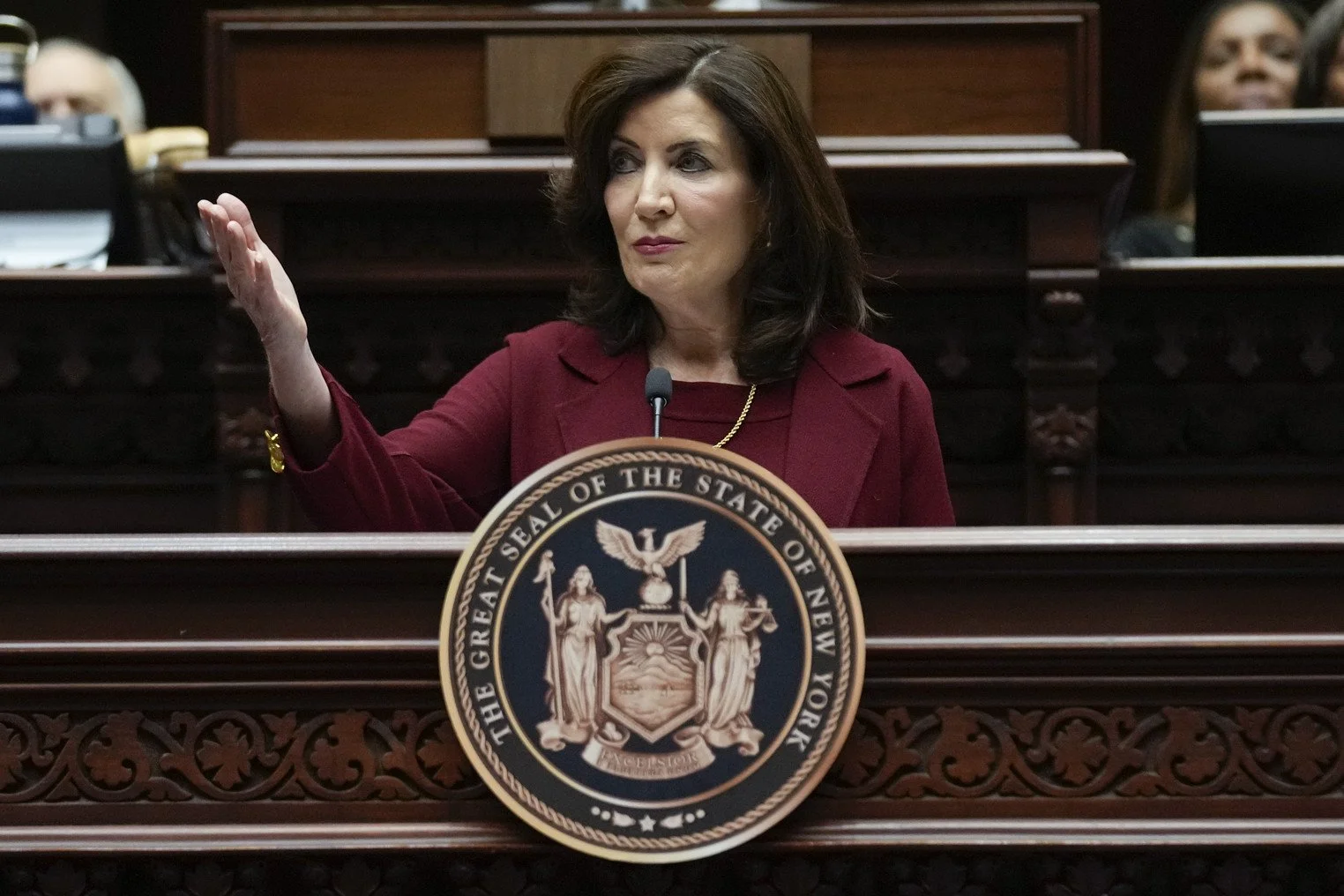
Politico NY Covers Sign-On Letter Decrying Gov. Hochul's Budget "Ageist"
Politico NY Covers Sign-On Letter Decrying Gov. Hochul's Budget "Ageist"
AN ‘AGEIST’ BUDGET: Over 140 advocacy organizations around the state are putting pressure on Hochul to allocate more money toward aging New Yorkers, calling her budget “an ageist document.”
The organizations, which include the Hospice and Palliative Care Association of New York State and Catholic Charities, sent a letter to Hochul this afternoon alleging her budget shows “a clear lack of consideration for the millions of older adults in New York.”
“The current budget allocation for the New York State Office for the Aging is less than 0.8 percent of the total budget, significantly below what is required to meet the growing needs in our communities,” says the letter, which was exclusively shared with Playbook.
Hochul’s team did not respond to Playbook’s requests for comment.
In her budget briefing book, the words “children,” “child care” and “child” are mentioned more than 90 times collectively, but the word “senior,” in reference to older adults, is mentioned just once, Allison Nickerson, executive director of LiveOn NY, told Playbook.
“Older adults” and “adult caregivers” also barely received a mention, Nickerson said.
The groups say Hochul’s proposed budget would cut $9.3 million from homecare services and $2.5 million from the office for the aging’s Long Term Care Ombudsman Program.
The cuts come at an especially fraught time for aging New Yorkers. During the Covid pandemic, many low-income elderly New Yorkers saw various support systems — like routine meals from family members or programming at community centers — completely disappear. But the gap was filled with federal pandemic aid.
Now those federal dollars have dried up, and the groups say Hochul’s budget would cut services at a time when more investment is needed.
Currently, at least 18,000 aging New Yorkers are waiting to receive crucial services like Meals on Wheels, transportation or case management services, and an immediate investment of $51 million is needed to make those support services accessible, the organizations wrote.
In New York, about 1 in 5 residents are above the age of 65. That population is expected to grow significantly over the next decade.
“The state really cannot move forward unless it is addressing the issues of older adults,” Nickerson said. — Jason Beeferman
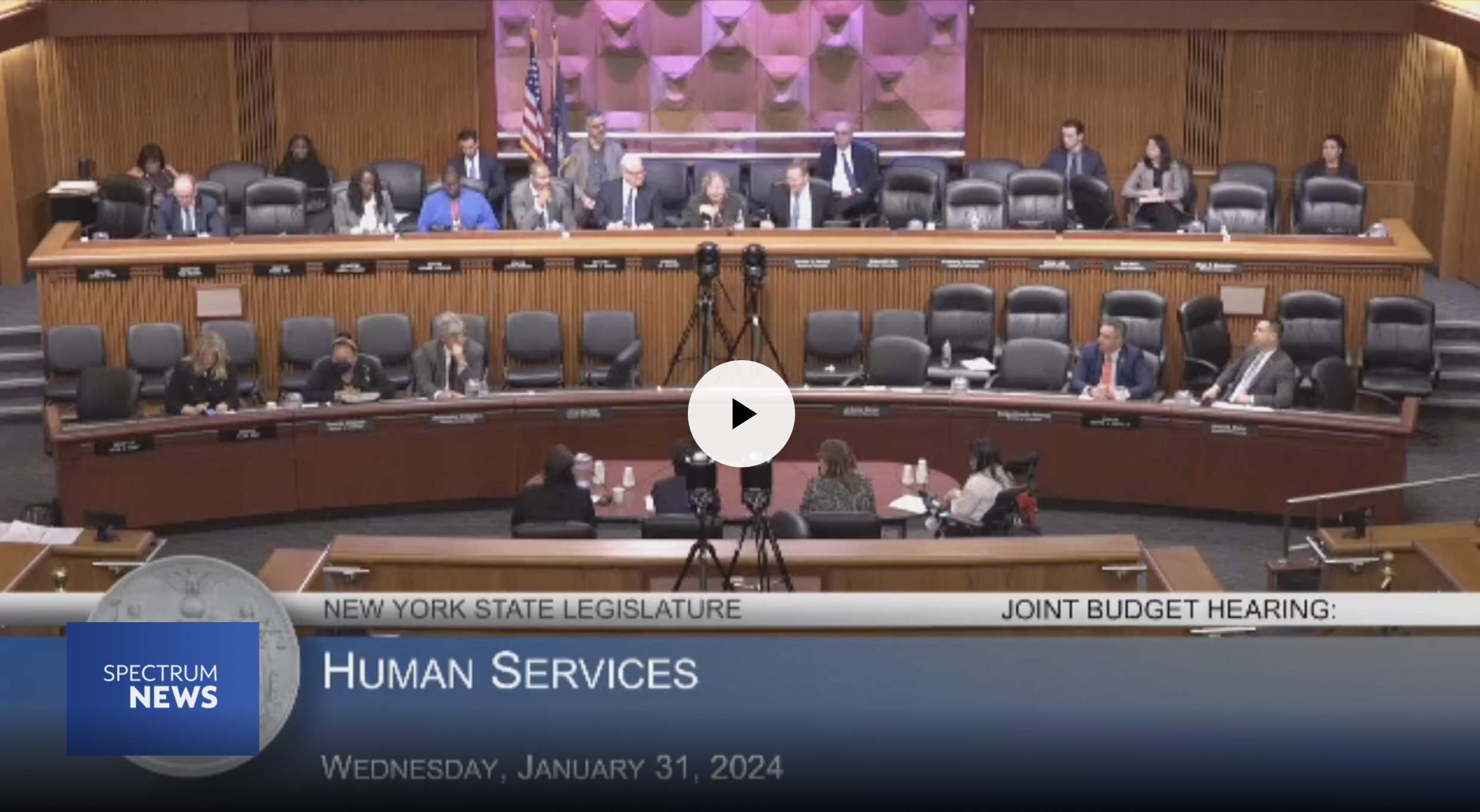


Testimony for the FY25 NYS Human Services Budget Hearing
New York State Assembly
New York State Senate
Joint Legislative Hearing
Human Services FY25 Budget
Thank you for the opportunity to submit testimony on aging services in the proposed FY 25 budget.
LiveOn NY’s members include more than 100 community-based nonprofits that provide core services which allow all New Yorkers to thrive in our communities as we age, including senior centers, home‐delivered meals, affordable senior housing, elder abuse prevention, caregiver support, NORCs, and case management. With our members, we work to make New York a better place to age.
As it stands, the FY25 Proposed Budget is an ageist document - as it does not meet the existing needs of older New Yorkers or the needs of the growing population of older adults. The services provided to non-medicaid eligible New Yorkers are not guaranteed due to a consistent pattern of underfunding continued this year. For New Yorkers not currently medicaid eligible, we see that in order to qualify for and receive needed services they must sacrifice what they have earned throughout their life course to self-institutionalize. There is a better way that can both improve quality of life for older New Yorkers and save Medicaid dollars.
We have a number of concerns that illustrate a clear lack of consideration for the millions of older adults in New York, and that fail to recognize the reality that we are aging as a state.
Key Concerns
Older New Yorkers were not mentioned in the budget outside of “cost-saving” measures for health services.
18,000 services denied to New Yorkers due to lack of adequate funding
Program cuts and unfunded mandates will cost providers millions of dollars
$9.3 million cut from home care services
$2.5 million in cut LTCOP funding that was a legislative addition last year
$0 for the mandated rate increase to local Area Agencies on Aging (AAAs), leaving a $10 million shortfall that will necessitate local cuts to services.
The newly approved Medicaid Waiver (1115) will not address older New Yorkers
The State has significant fiscal reserves and provided over $6 billion in additions to many service sectors. However, the current budget allocation for the New York State Office for the Aging is less than 0.8% of the total budget, significantly below what is required to meet the growing needs in our communities. We have the funding to create a robust service system in our state that also saves millions of dollars from our already out of control medicaid budget.
Here is what an age-inclusive budget needs to include.
Recommendations
$252.5 million to NYSOFA fully fund services promised in the existing system and end wait lists for the over 18,000 services denied to New Yorkers due to lack of adequate funding. Here is a list of many of the services that this funding would improve:
$51 million to clear the existing waiting list for services
Overall Funding Increase (minus nutrition) includes but is not limited to $35 million.
Invest in sustainable nutrition support - $43 million
Invest in Aging Services network workforce - $20 million
Expanding eligibility to younger onset Alzheimer’s and to age 50 for caregiver and respite support – $26 million
Provide annual appropriation for technology access - $5 million
Provide annual appropriation for Lifespan Respite Care Programs - $1 million
Provide annual appropriation for elder abuse education and outreach - $3 million
Provide increase funding for state SHIP Programs - $5.5 million
Provide increase in funding for state legal assistance programs - $3 million
Provide increase in funding for the long-term care ombudsman program - $10 million
Provide an annual appropriation for Aging and Disability Resource Centers - $20 million
Provide reskilling and training for older individuals who wish to return to employment - $2 million
Recognition of the value and importance of these programs - these programs both improve quality of life AND save medicaid dollars:
NYSOFA programs serve individuals that would qualify for skilled nursing or assisted living care, in homes and communities for less than $10,000 per year on average for 6.5 years.
$51 million dollars to clear existing wait lists would translate to a $237 million dollar medicaid savings according to the Association on Aging in New York
Consideration to ensure that the state is providing adequate funding to meet the needs of the growing older population in future years.
Funding must be tied to the number of older adults who would need services and grow with our state
The state must take on a larger role in funding these programs. In NYC alone, the city provides almost double the funding the state does.
On behalf of the almost 5 million older adults and 4 million caregivers – nearly half of the population – who call New York State home, we write with ongoing and urgent concern for the blatant lack of funding for safety net aging service programs, funded through the NYS Office for Aging (NYSOFA). You have the opportunity to make a difference in the lives of older adults across our state and fight for an age-inclusive budget!
_____________________________________________________________________________
Testimony provided by Kevin Kiprovski Director of Public Policy of LiveOn NY. For additional questions, please reach out to Kkiprovski@liveon-ny.org
LiveOn NY’s members provide the core, community-based services that allow older adults to thrive in their communities. With a base of more than 110 community-based organizations serving at least 300,000 older New Yorkers annually. Our members provide services ranging from senior centers, congregate and home-delivered meals, affordable senior housing with services, elder abuse prevention services, caregiver supports, case management, transportation, and NORCs. LiveOn NY advocates for increased funding for these vital services to improve both the solvency of the system and the overall capacity of community-based service providers.
LiveOn NY also administers a citywide outreach program and staffs a hotline that educates, screens and helps with benefit enrollment including SNAP, SCRIE and others, and also administers the Rights and Information for Senior Empowerment (RISE) program to bring critical information directly to seniors on important topics to help them age well in their communities.