

News
&
Updates

LiveOn NY Testifies at City Council Finance Hearing on the FY22 City Budget
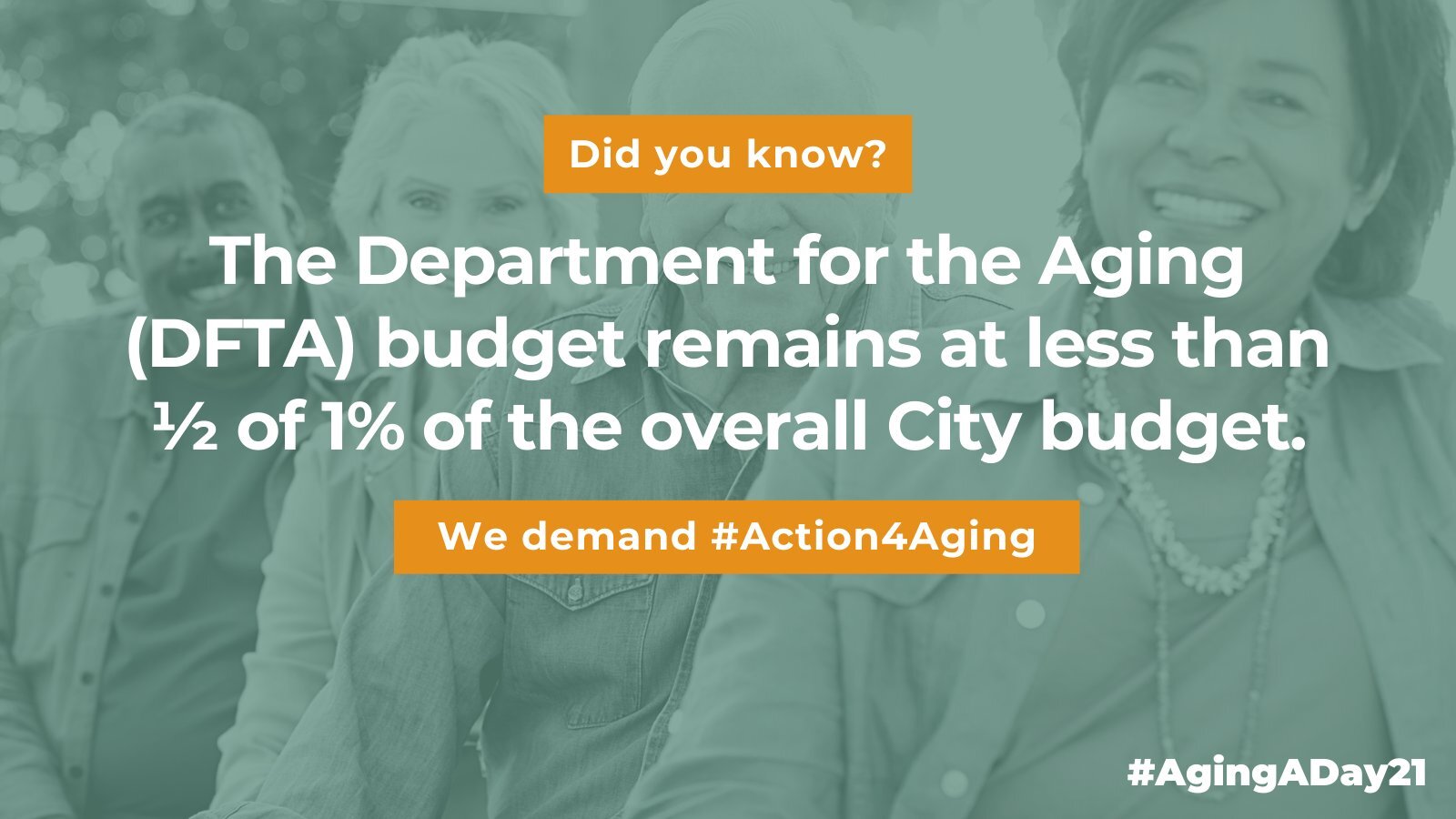
Given that the Department for the Aging (DFTA) budget remains at less than ½ of 1% of the City budget despite older adults representing a rapidly increasing 20% of the population, the City must go farther in its Adopted Budget to truly set the trajectory for a recovery that leaves no New Yorker behind. Moreover, to wholly embrace this budget’s theme, “A Recovery for All of Us,” the City must do more to ensure that older New Yorkers, particularly low-income and Black and brown older New Yorkers, are included in that recovery.
New York City Council
Committee on Finance
Chair Council Member Dromm
May 25, 2021
Oversight - Executive Budget Hearing
Thank you for the opportunity to testify at the executive budget hearing.
LiveOn NY’s members include more than 100 community-based nonprofits that provide core services which allow all New Yorkers to thrive in our communities as we age, including senior centers, home‐delivered meals, affordable senior housing, elder abuse prevention, caregiver support, NORCs, and case management. With our members, we work to make New York a better place to age.
As New York City begins to emerge from a pandemic that took the lives of thousands of individuals, many of whom were older New Yorkers, and as this budget, built upon millions in new stimulus funds, will plant the seeds of recovery for our City at-large, the stakes have rarely been higher. As stated by the New York City Independent Budget Office, “the influx of stimulus funding makes this plan one of the most consequential city budgets produced in years. The priorities set forth and decisions made regarding the current financial plan, specifically with respect to how these stimulus funds are spent, are decisions whose effects will reverberate well into the next administration.”
With this in mind, LiveOn NY is appreciative of the investments included in the Executive Budget to both better support older New Yorkers through programs such as Senior Centers, as well as to support the human services sector at large. More specifically, we are deeply appreciative of the decision to fully restore funding for the Indirect Cost Rate initiative; implement the $10 million of outstanding model Senior Center budget funding promises; and include $39.4 million towards Year 1 of the new Community Care Plan, which will expand and better support Senior Centers and NORCs. These initial investments are an important step towards bolstering a long-underfunded sector and a system that has been critical to supporting older New Yorkers through the historically difficult fight against COVID-19.
However, given that the Department for the Aging (DFTA) budget remains at less than ½ of 1% of the City budget despite older adults representing a rapidly increasing 20% of the population, the City must go farther in its Adopted Budget to truly set the trajectory for a recovery that leaves no New Yorker behind. Moreover, to wholly embrace this budget’s theme, “A Recovery for All of Us,” the City must do more to ensure that older New Yorkers, particularly low-income and Black and brown older New Yorkers, are included in that recovery.
Centered around the inequities made apparent during the pandemic, LiveOn NY first proposes three major investments to better address senior hunger, the digital divide, and wages for essential workers.
$16.6 million for Home-delivered Meals. Such funding would provide $13.6 million for weekday meals and $3 million for weekend and holiday meals, both to increase capacity to meet new demand and bring the per-meal rate to the national average. The home-delivered meals program, which is different from GetFood, serves older New Yorkers who, due to chronic illness, mobility limitation, or disability, will remain homebound long after COVID-19 fully subsides. For many meal recipients, this meal delivery represents not only a significant source of nutrients, but the only contact they will have with the outside world that day. Despite the lifeline that this program represents, it has been chronically underfunded for years, with funding lagging far behind the national average, putting the program and the non-profits that administer it, financially at risk year after year.
$4.4 Million to address the digital divide. $4.4 million of this funding would allow for improved technology and service access for older adults by investing in the technology infrastructure at Senior Centers, as well as creating mechanisms to directly support individual access to technology.
As the City works to combat the digital divide, it must also invest an additional $5.89 million to leverage technology to better connect older adults to the services one might need to age in community. More specifically, this investment would broaden the ability for Senior Centers to market their services, and to create an online resource directory, similar to that of the Parks Department, where an older adult might more easily determine offerings from Senior Centers in their neighborhood.
$48 Million Cost of Living Adjustment (COLA) for essential human services workers. Throughout COVID-19, human services workers across sectors have stepped up to provide critical services in new ways, including to keep New Yorkers older New Yorkers fed, assist older adults in receiving vaccinations, and combating the life-threatening effects of social isolation. Despite this, the wages of these workers, the majority of whom are women and Black and brown individuals, are slated to remain stagnant in a City where costs are notoriously high. It is critical that the FY22 budget rectify this, allocating $48 million in funding to ensure all human services workers can receive a 3% COLA that is not only necessary, but is deserved.
Further, an additional $1.7 million is needed to ensure parity for NORC Directors to Senior Center staff of similar positions. Without such an investment, disparity, created as a direct result of City Contracts, will only continue to be exacerbated in the coming year.
In addition to these new investments, the City must look to restore and baseline all aging Executive one-time funds, including funding for Senior Centers located in NYCHA.
The City must also prioritize hiring staff internally within the Department of Housing Preservation and Development (HPD) in order to continue the historic progress made within this Administration’s affordable housing development program. With new federal resources, HPD has an opportunity to fill vacancies and ensure a strong pipeline of affordable senior housing into the future.
Recognizing the significant role that City Council discretionary plays in meeting the hyper-local needs within districts, these funds must also be restored and bolstered as appropriate. Including by:
Restore Council aging discretionary funding to FY20 levels.
A restoration of $2,040,000 that was previously made available through the “Healthy Aging” initiative, must be re-allocated, whether by restoring this initiative or adding the amount to a similar initiative such as Support Our Seniors.
Beyond re-allocating funds that were reduced in FY21, due to budgetary constraints, it is critical that City Council maintain funding for the long-important initiatives such as: NORCs, Immigrant Senior Centers, Support Our Seniors, and all aging discretionary initiatives.
Bolster Council discretionary funding to meet rising needs
Invest an additional $950,000, for a total of $2.86 million, in the Geriatric Mental Health Initiative to better equip providers to respond to the rising mental health concerns that have resulted from isolation experienced during extended periods of stay at home orders experienced by older New Yorkers throughout COVID-19.
New York’s more than 1.8 million older adults are counting on these investments to demonstrate meaningful action for aging in response to COVID-19.
But we know that this action can’t wait. The Administration must also immediately authorize the Department for the Aging (DFTA) to spend the $30 million in currently projected ‘cost-savings’ accrued by the agency over the course of FY21. Rather than having one of the smallest City agencies shoulder the burden of returning cost-savings to the City to balance the current budget, it should instead be invested in ensuring that Senior Centers and services are safe into the future. That would mean purchasing improved ventilation and HVAC systems for all Senior Centers in need to ensure high quality air standards for the population most at-risk to COVID-19. The funds could also go towards one-time technology upgrades, PPE purchases, cleaning supplies, kitchen upgrades for Centers with outdated equipment, and other purchases that, if made now, will promote the safety and sustainability of senior services into the future.
While the needs are vast, the City is poised to meet the unique needs of older adults by strategically using new stimulus investments, state investments, and improved City tax receipts to push the Department for the Aging budget above the ½ of 1% mark once and for all.
Thank you for the opportunity to testify.

City Council Candidates Share Their Stance on the Future of Aging in New York City Ahead of the 2021 Election
LiveOn NY is proud to release our 2021 City Council Questionnaire Responses with responses from more than 80 candidates across 27 districts. As we approach a pivotal 2021 City elections, New Yorkers can now read in-depth responses to questions that matter to all New Yorkers.
May 14, 2021 (New York, NY) – New York City is home to a growing aging population with over 1.8 million older adults living across the five boroughs. As we age, and as demographics predict a growing aging population across districts, LiveOn NY**, a senior advocacy and membership organization, is proud to release the responses to a ten question survey posed to all City Council candidates.
The candidate responses are critical points of education in advance of what will be an historic election, beyond just the number of seats open, this will be the first New York City election to utilize Rank Choice Voting (RCV). This new experience will represent a significant opportunity and change for older voters, and one that furthers the need for extensive educational opportunities such as this questionnaire.
Having received responses from more than 80 candidates across 27 districts, New Yorker’s can now read these in-depth responses to questions that matter to all New Yorkers. Examples of topics addressed in the questionnaire include:
Affordable senior housing
Technology
Community based services such as Senior Centers
City Budgeting
Equity across the lifespan
In addition to other questions, these areas represent just a few of the many concerns we heard directly from older constituents as needing to be addressed by future leaders. The ability for candidates to address these issues will be an important factor in the upcoming election, as AARP New York has found that 3 out of every 4 voters were over the age of 50 during the last open Mayoral primary, which coincides with the City Council primary.
“To further our commitment to civic engagement, we’re pleased to have published more than 80 candidate responses to issues of importance to all New Yorkers as we age,” said Allison Nickerson, Executive Director of LiveOn NY. “We at LiveOn NY are committed to making New York a better place to age, and look forward to continuing to educate all New Yorkers on issues of importance to older New Yorkers.”
Press Contact: Katelyn Andrews, Director of Public Policy, kandrews@liveon-ny.org
** LiveOn NY is a 501(c)3 non-partisan organization and does not endorse, support, or oppose any political parties or candidates at any time, including through their participation in or responses to this non-partisan City Council Candidate Questionnaire.
**All candidates across all districts were given the opportunity to submit responses. Districts not represented were those that LiveOn NY did not receive responses to release.
About LiveOn NY
LiveOn NY’s members include more than 100 community-based nonprofits that provide core services which allow all New Yorkers to thrive in our communities as we age, including senior centers, home‐delivered meals, affordable senior housing, elder abuse prevention, caregiver supports, NORCs and case management. With our members, we work to make New York a better place to age. For more information, please visit our website, https://www.liveon-ny.org/

26th Annual Aging Advocacy Day Highlights the Need for #Action4Aging
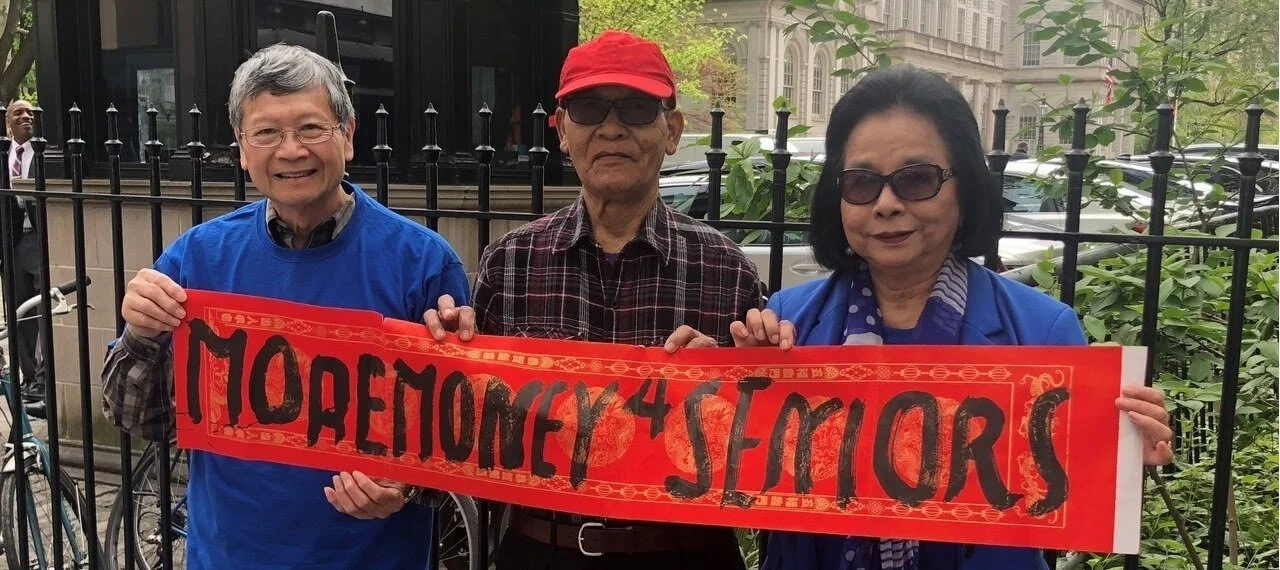
Our message was clear: It is time for the City to invest in senior services, namely: $48 million towards Cost of Living Adjustments (COLAs) for human services workers, $16.6 million for home-delivered meals programs, investments in technology, and more.
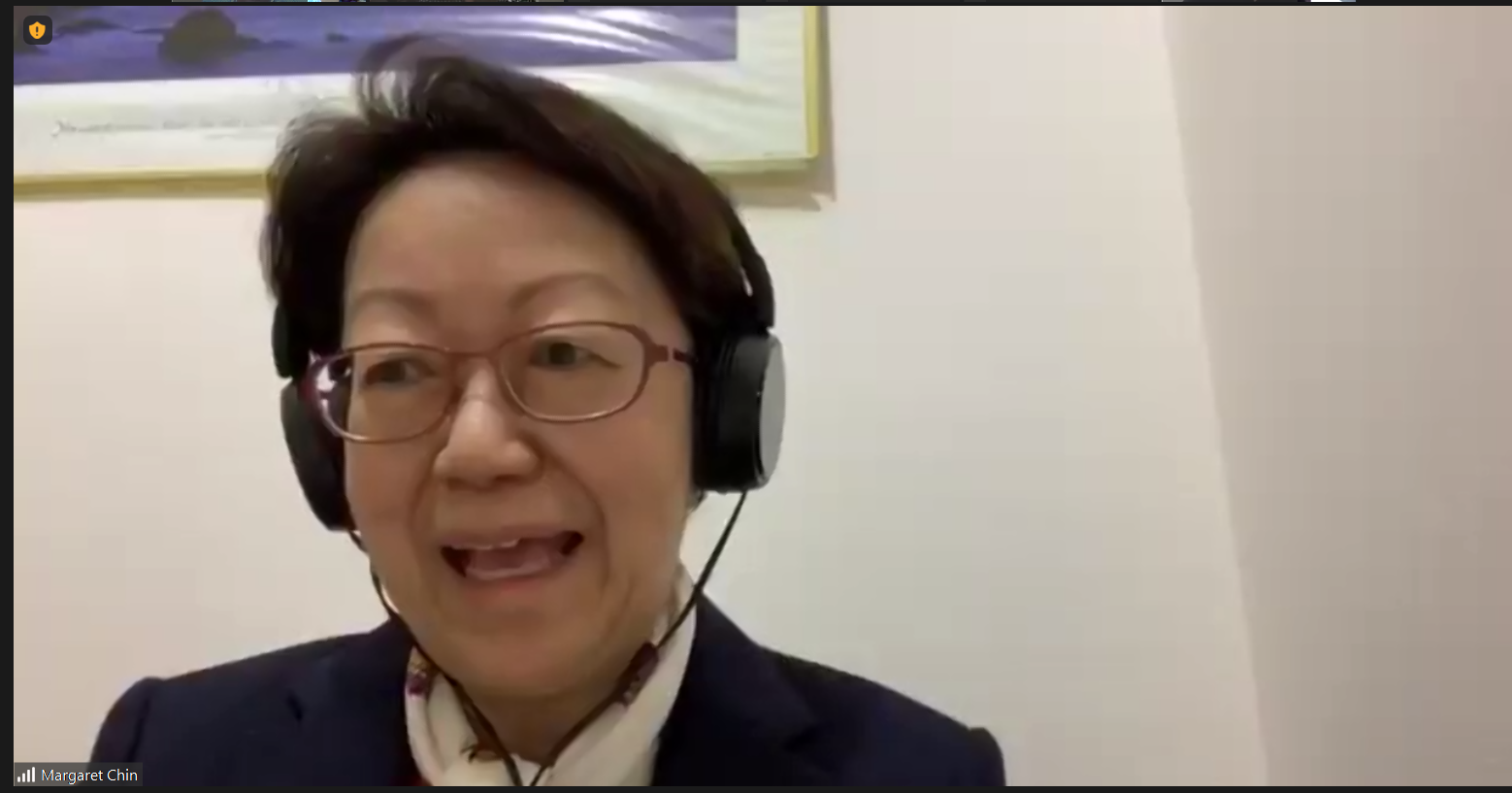
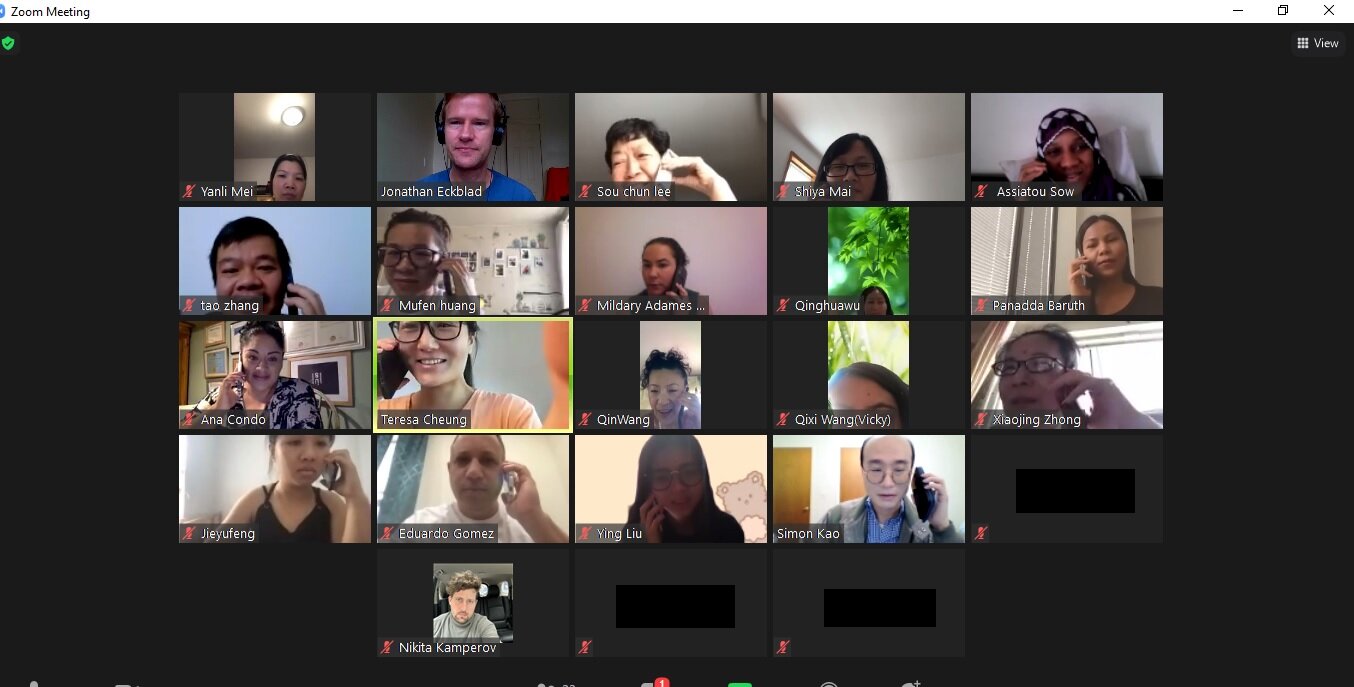
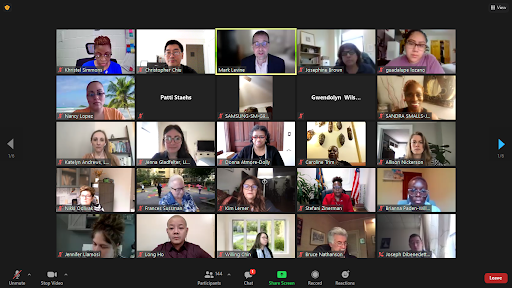
On May 4th, LiveOn NY held its 26th Annual City Advocacy Day, hosting a virtual rally where we were joined by more than 150 older adults and senior services professionals calling for real investments in senior services.
Our program included speakers:
Council Member Chin, Chair of the City Council Committee on Aging
Council Member Levine, Chair of the City Council Committee on Health
Khristel Simmons, Director of Food & Nutrition Services, Stanley M. Isaacs Neighborhood Center
Donna Atmore-Dolly, Executive Director, Allen Community Non-profit Programs
Caroline Trim, Participant, Goddard Riverside Community Center
Carlyn Cowen, Chief Policy & Public Affairs Officer, Chinese-American Planning Council
Our message was clear: It is time for the City to invest in senior services, namely: $48 million towards Cost of Living Adjustments (COLAs) for human services workers, $16.6 million for home-delivered meals programs, investments in technology, and more. See our full list of advocacy priorities here.

Following the virtual rally, participants also made calls to Council Members to amplify the need for funding for senior services in the budget.
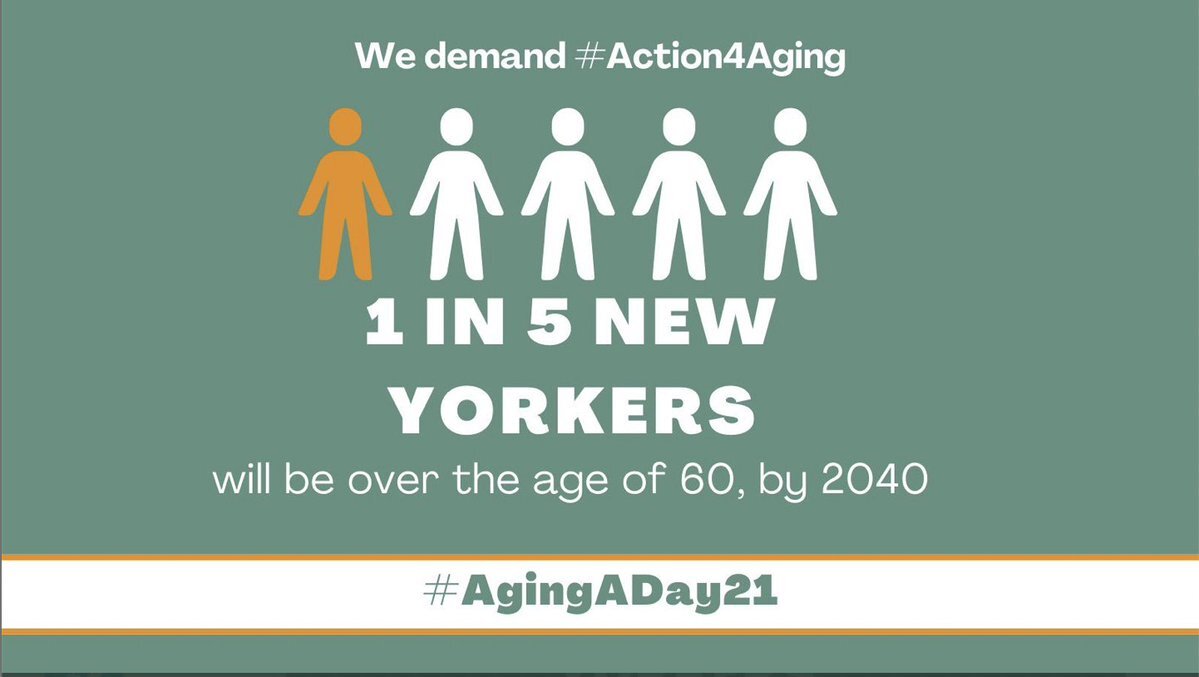
The day also included a tweetstorm, with providers sharing their calls for investments in senior services and calling for the City to authorize Senior Centers to reopen in-person services with proper guidance. Using the hashtag #Action4Aging, providers and older adults alike made their voices heard!
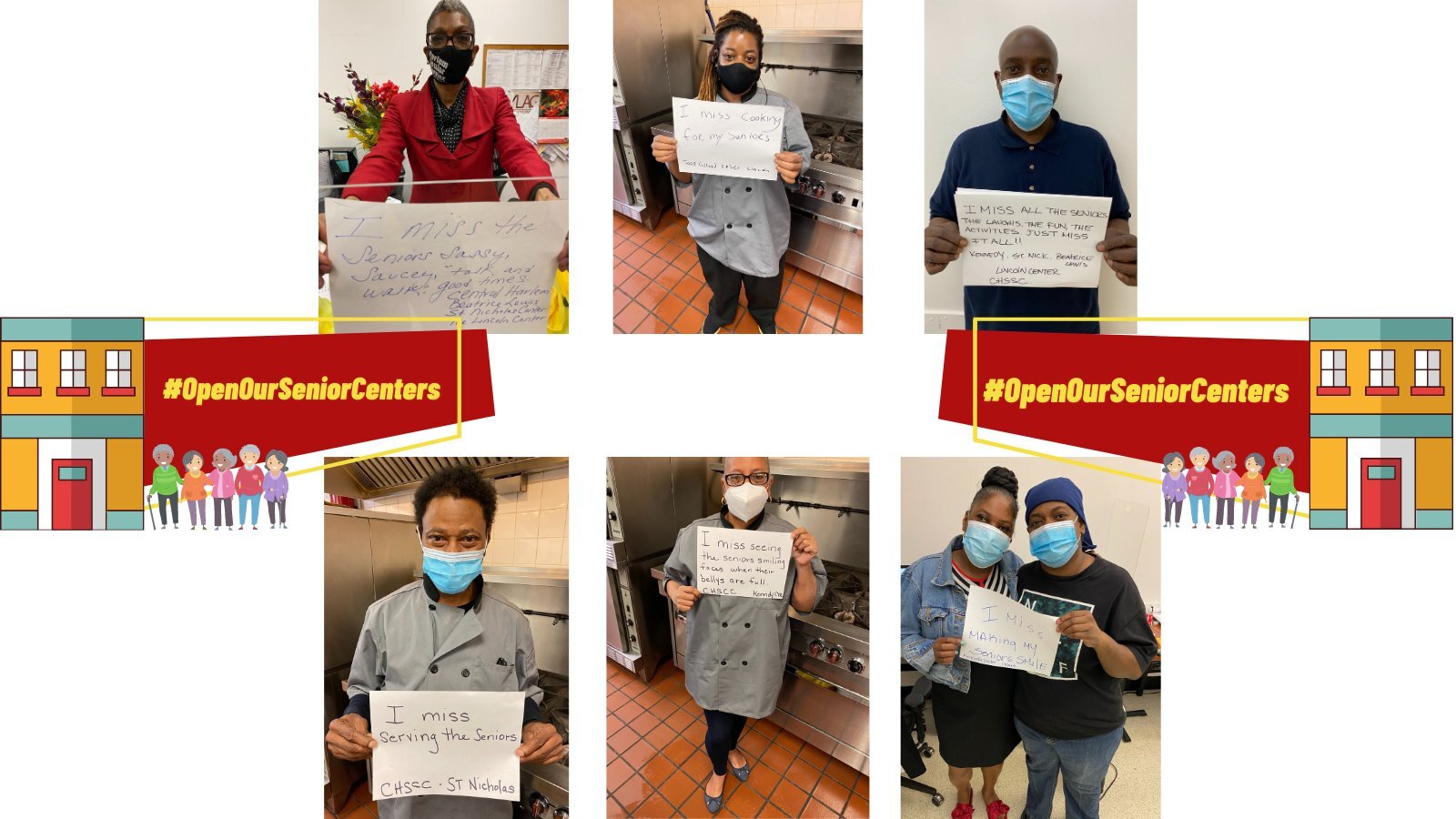
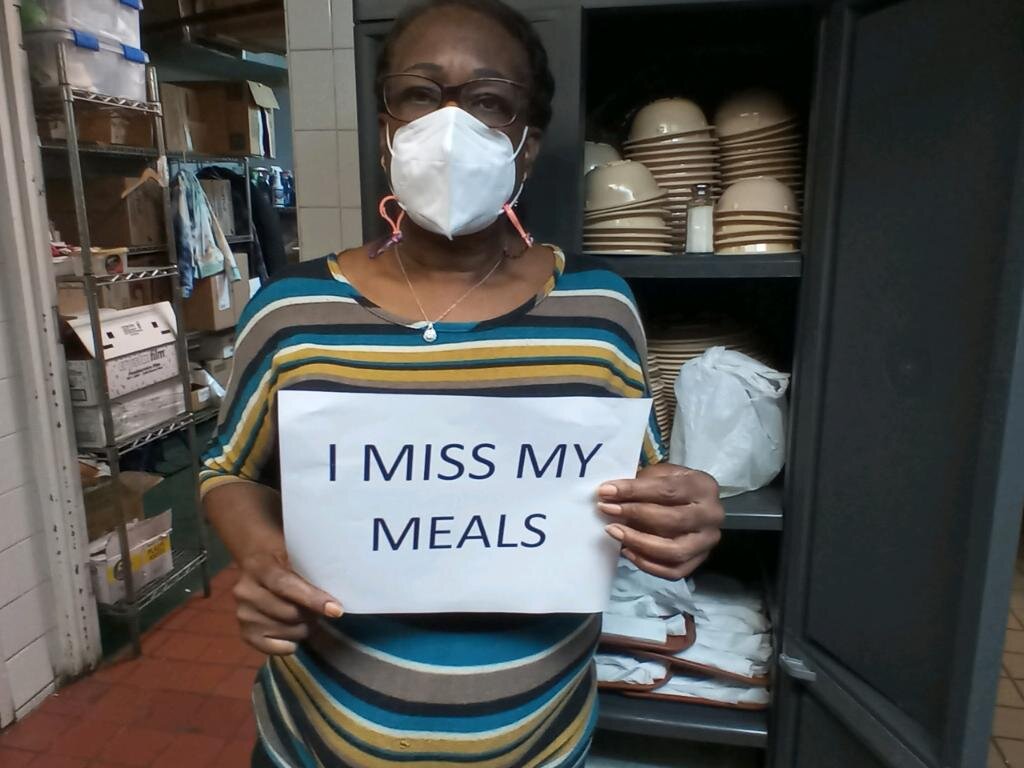
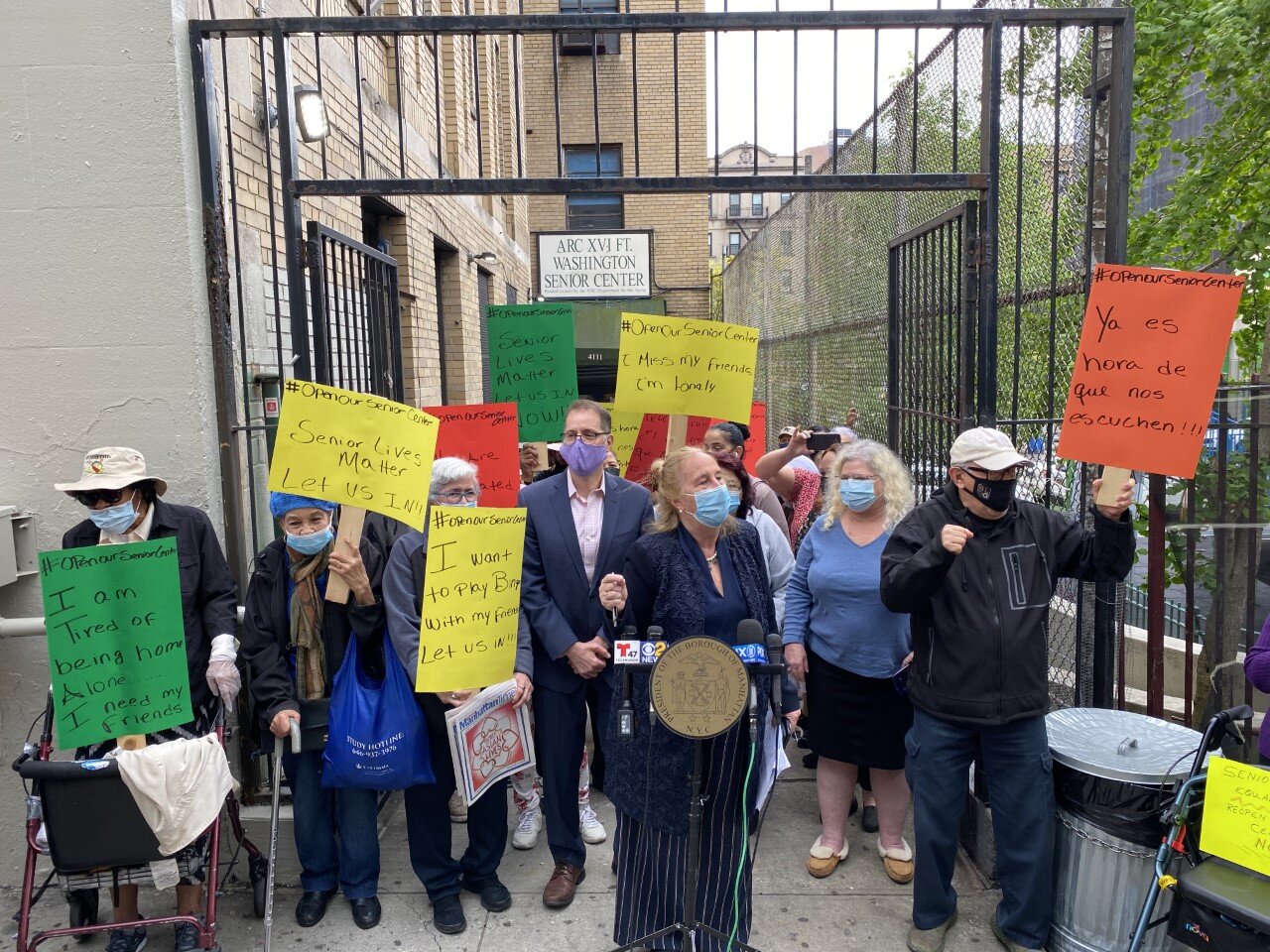
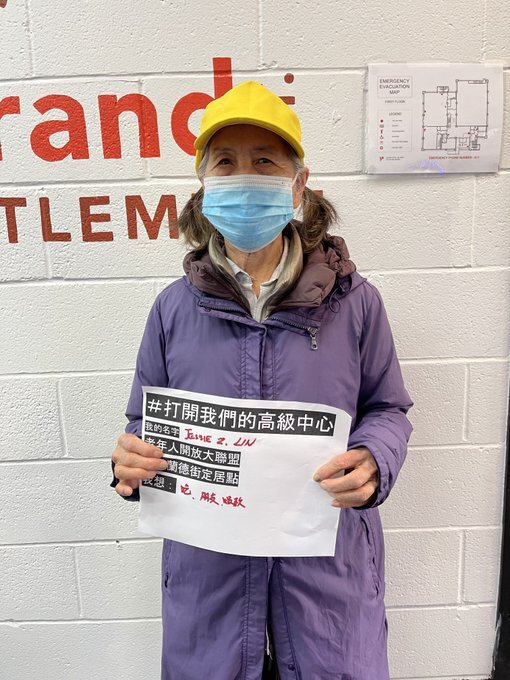
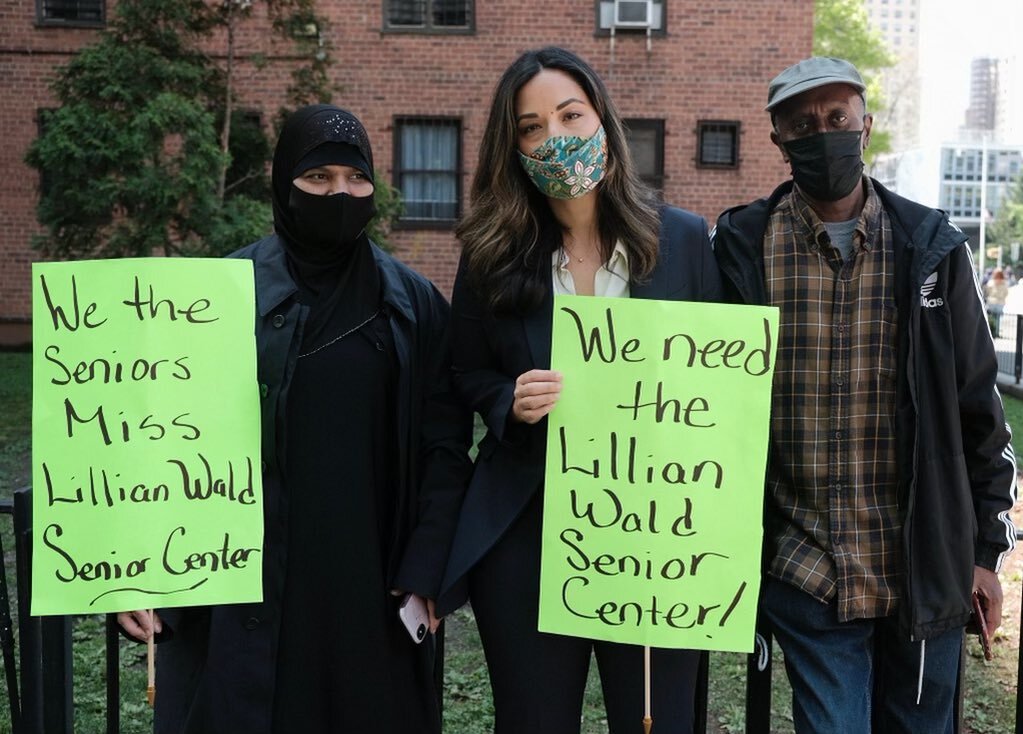
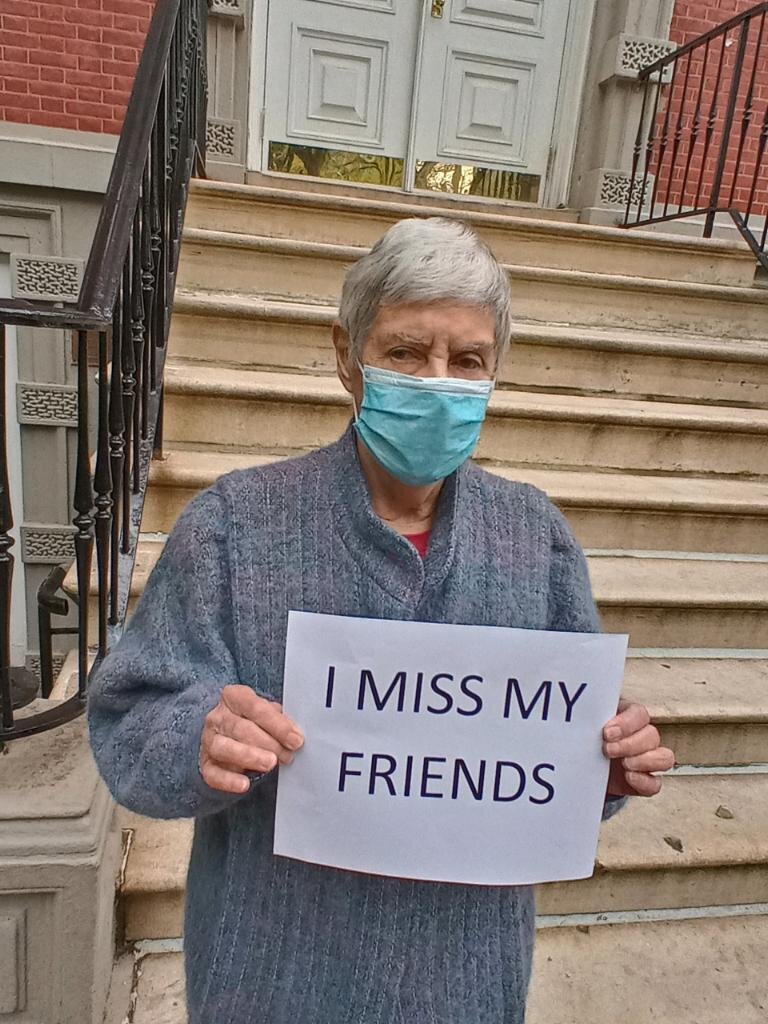
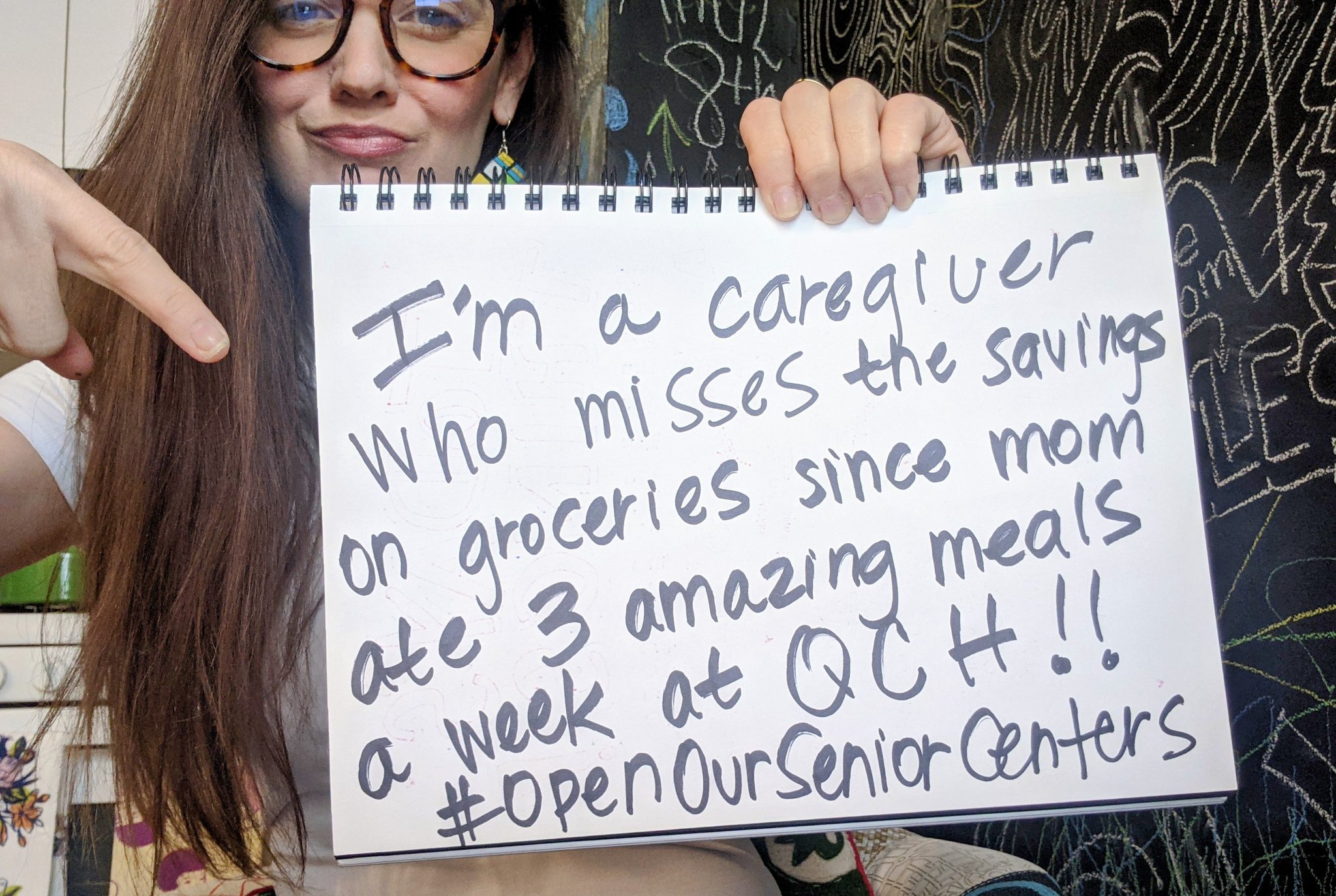
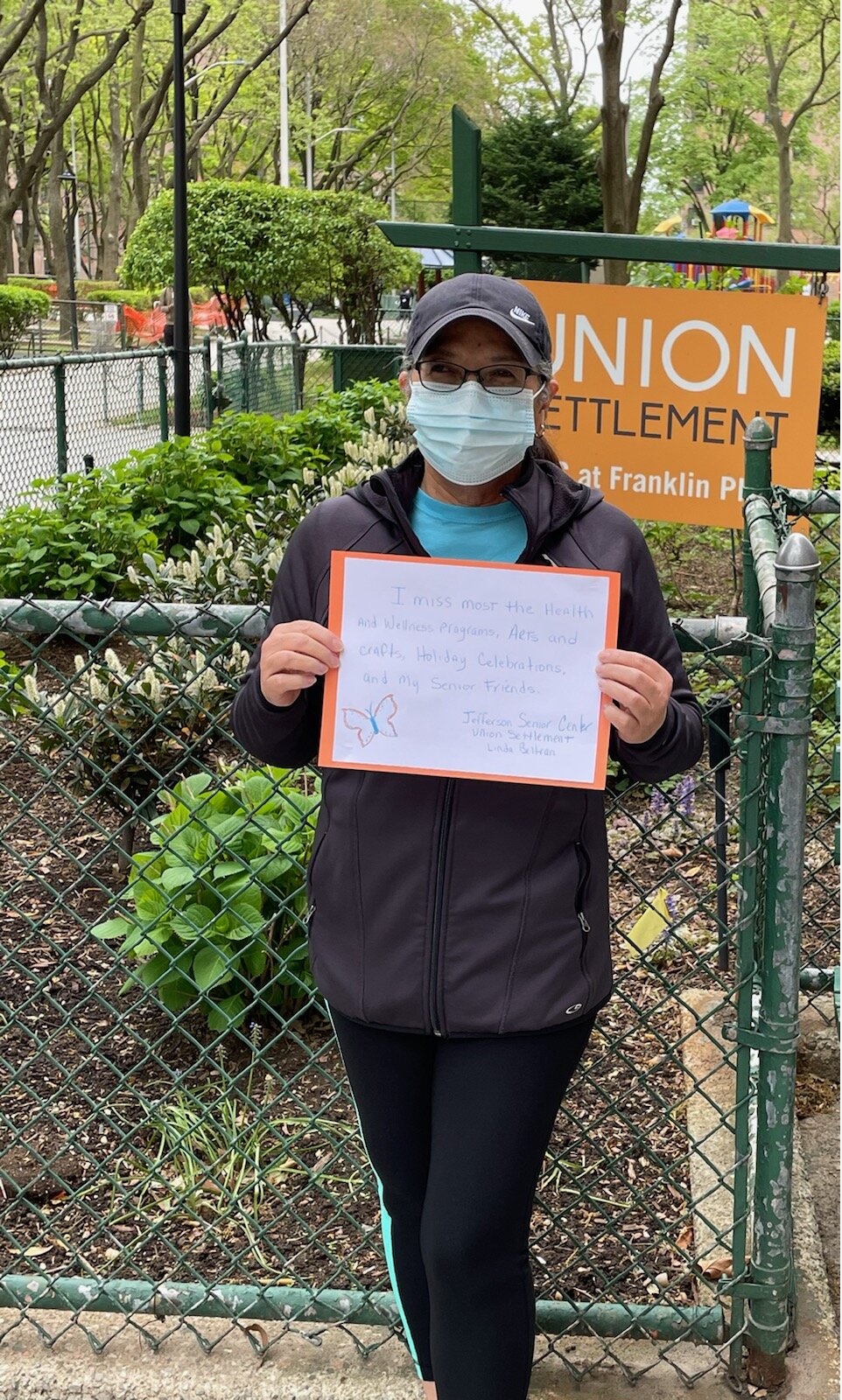
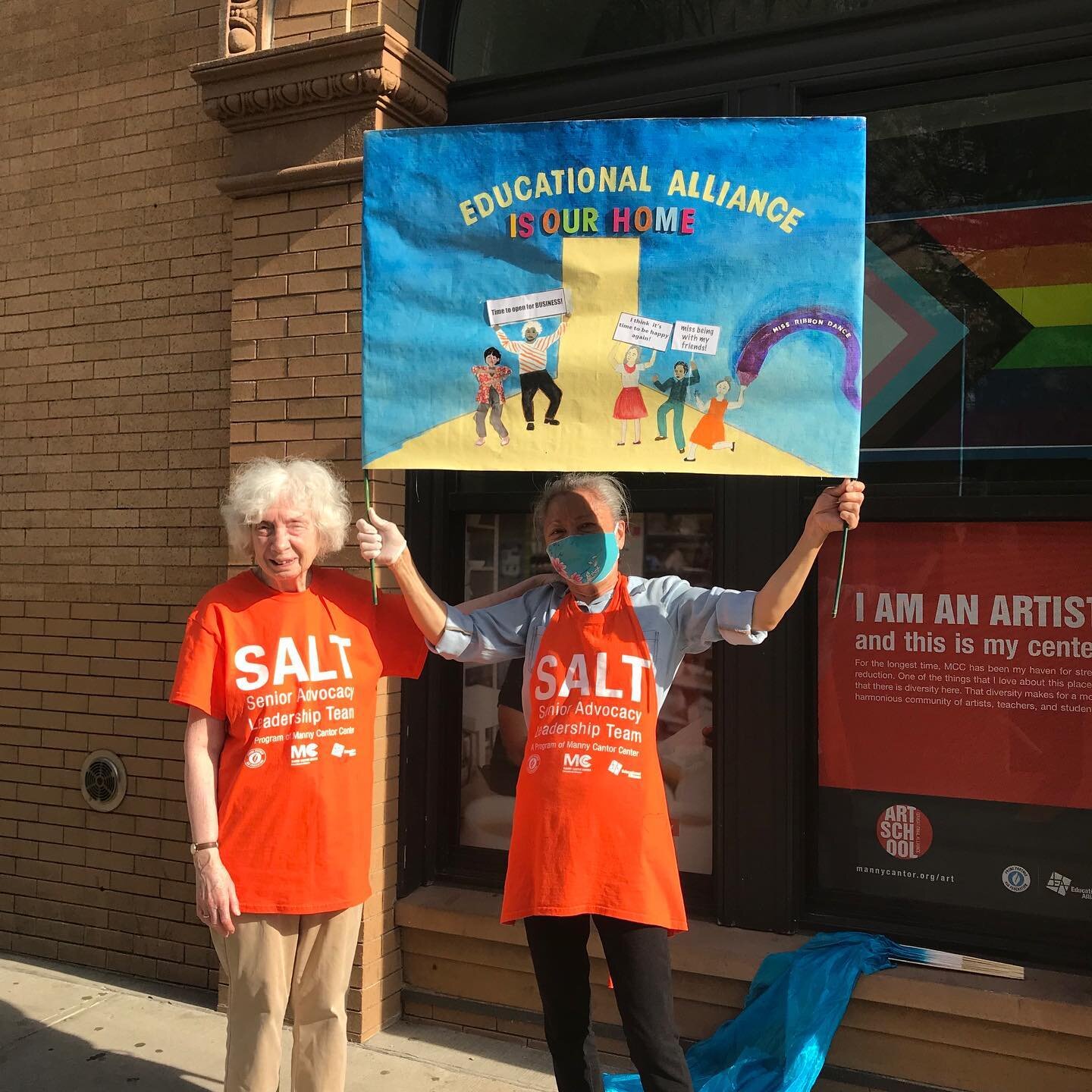
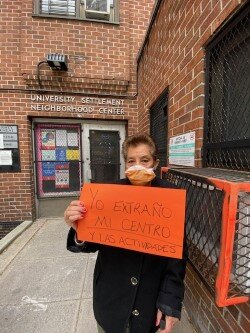
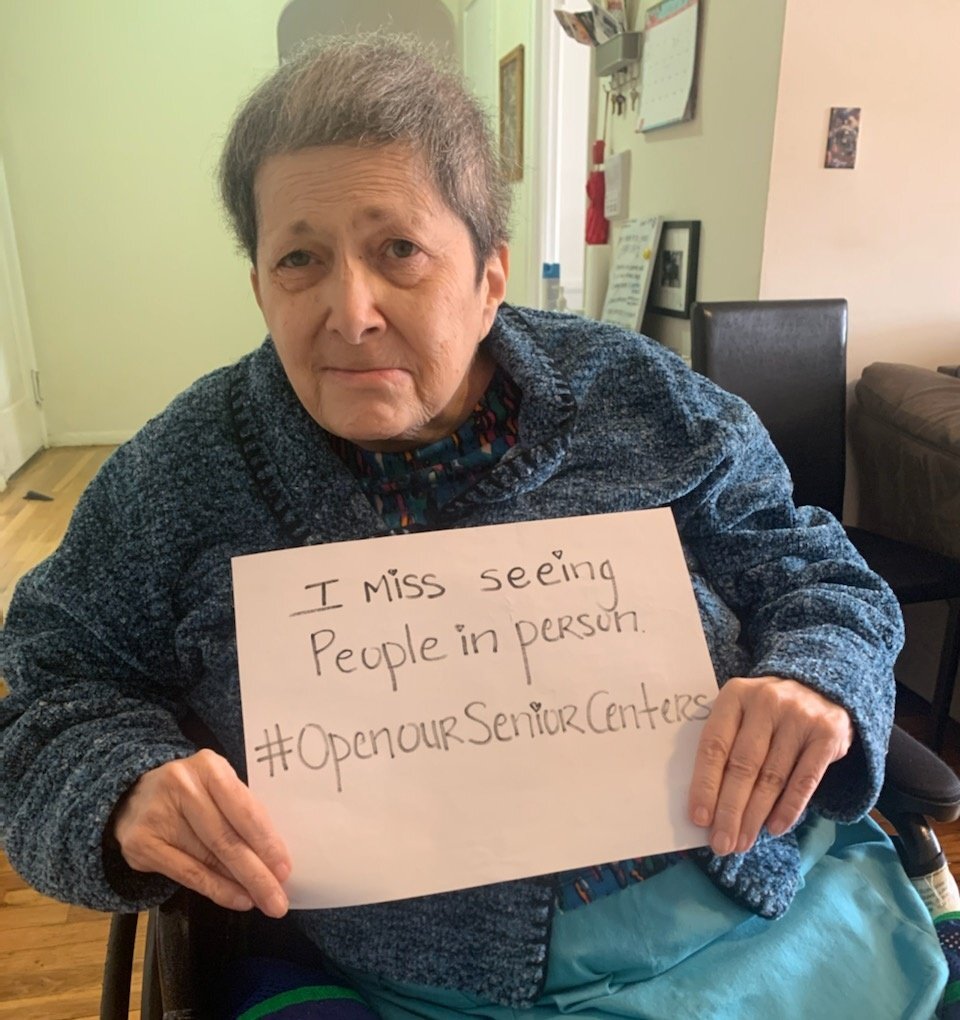
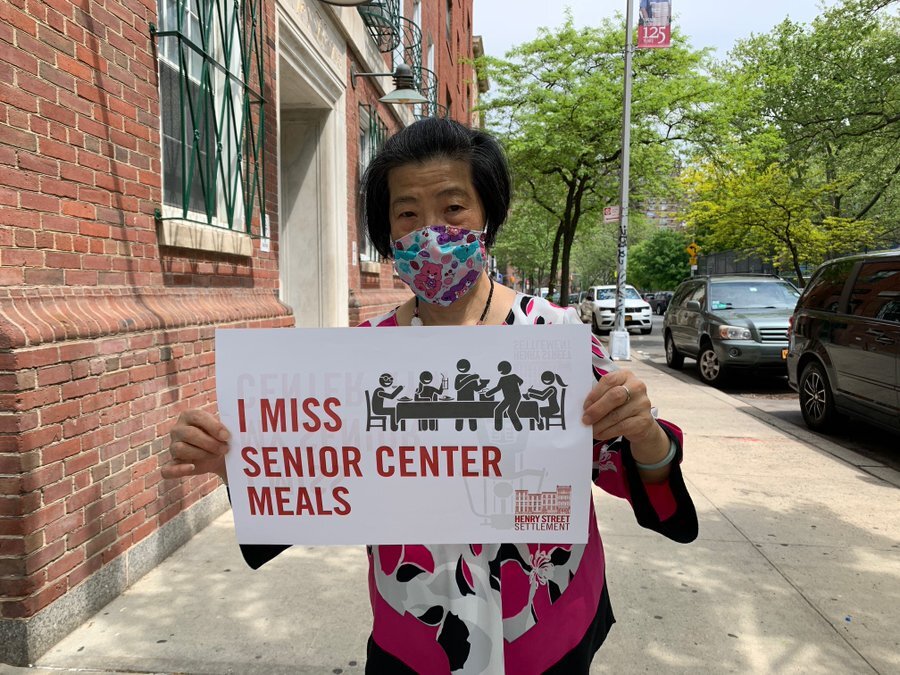
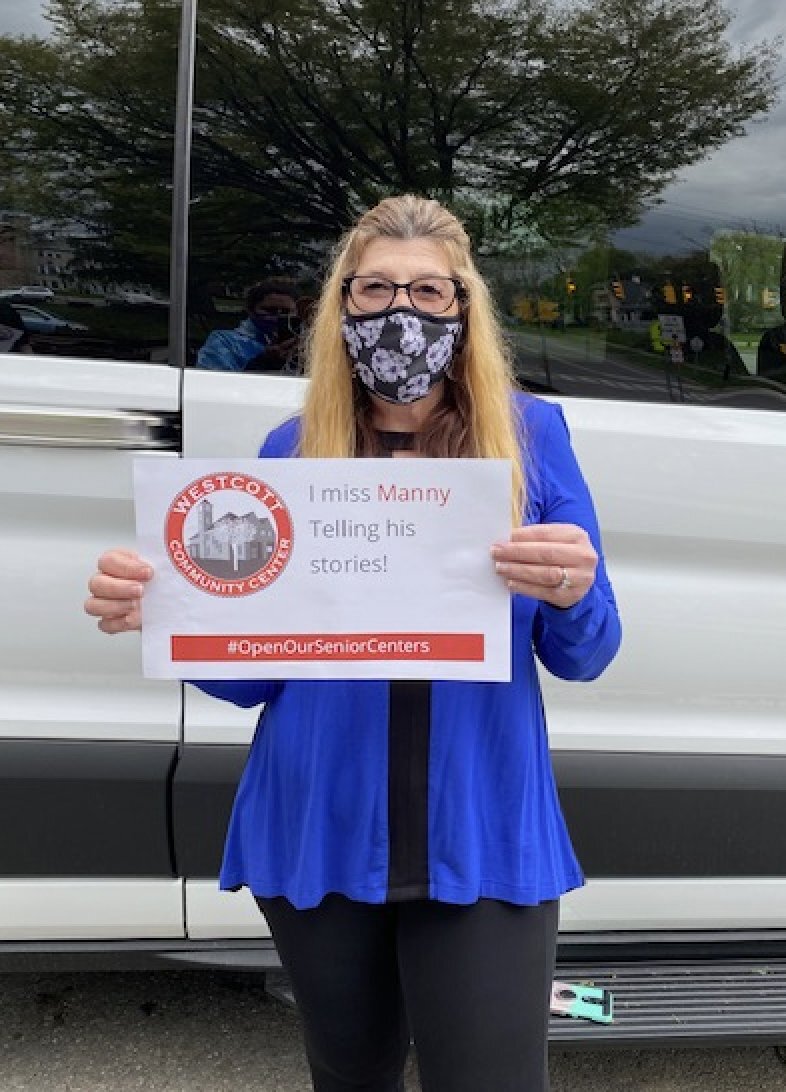
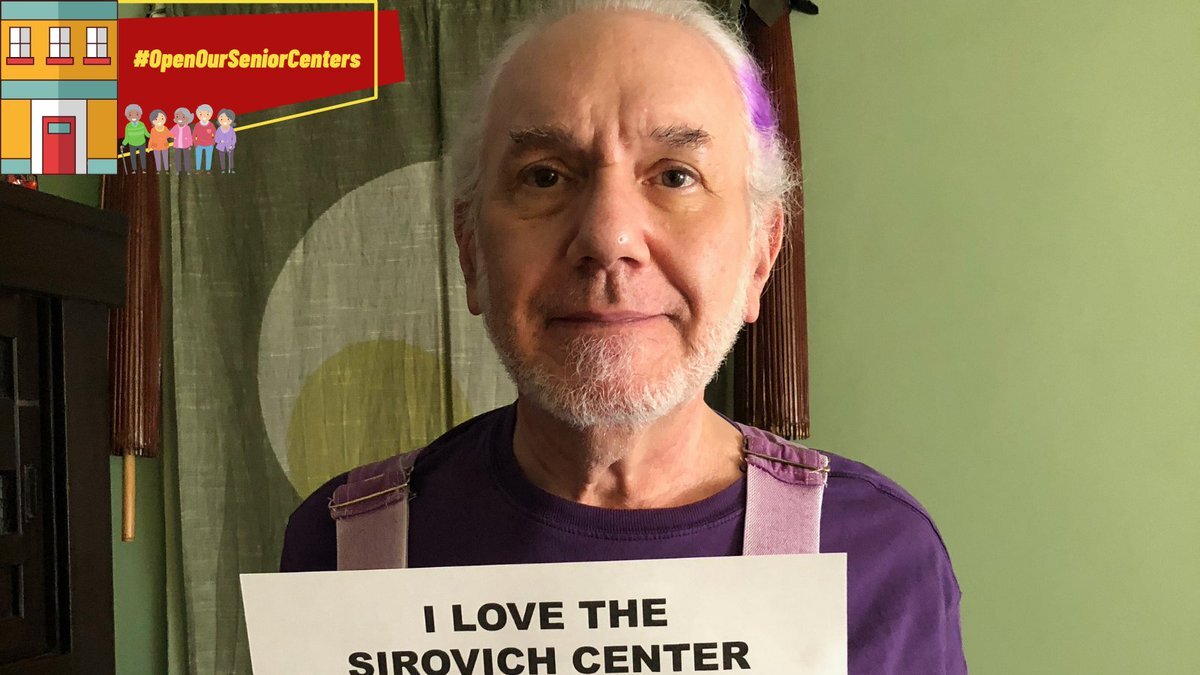
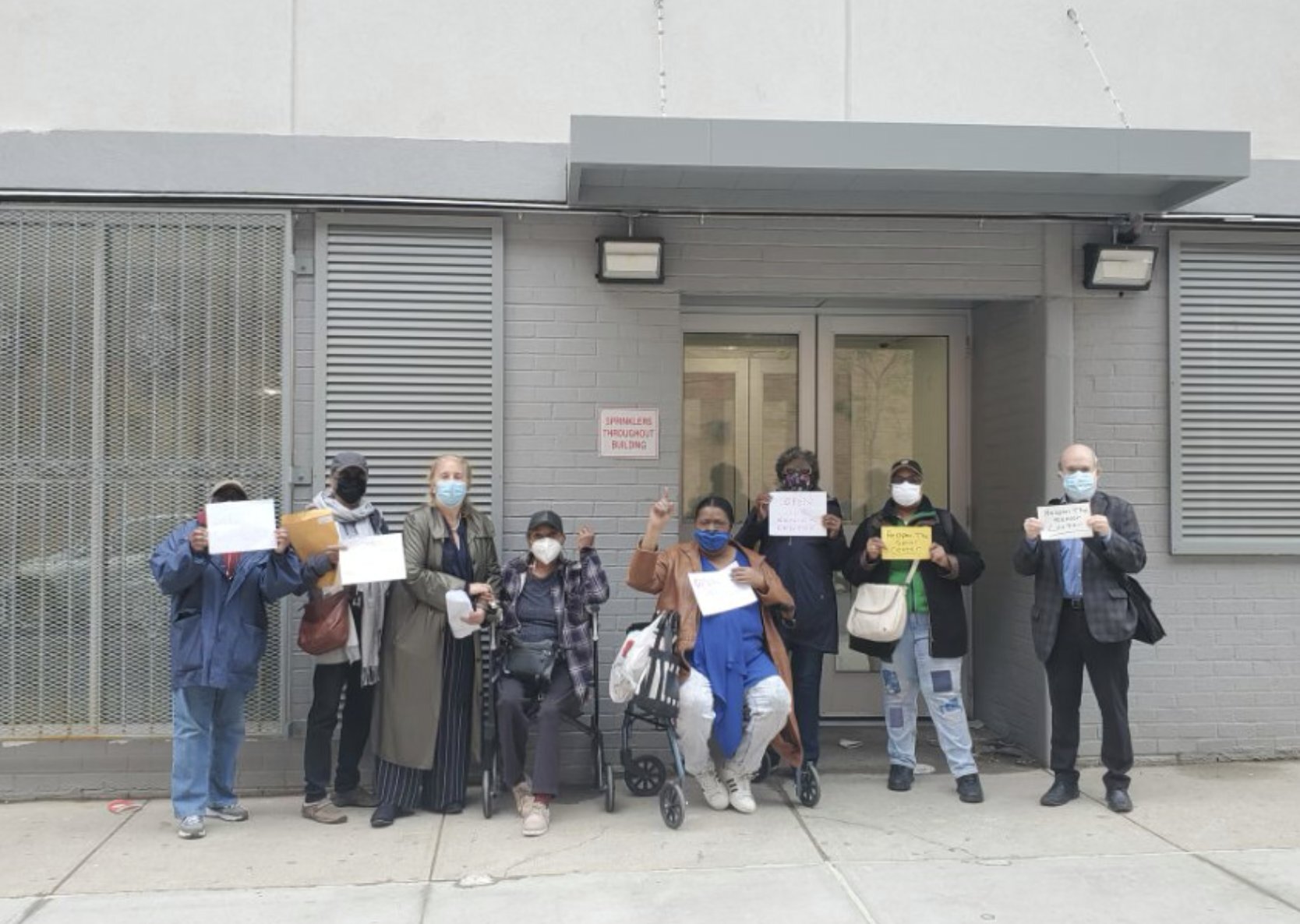
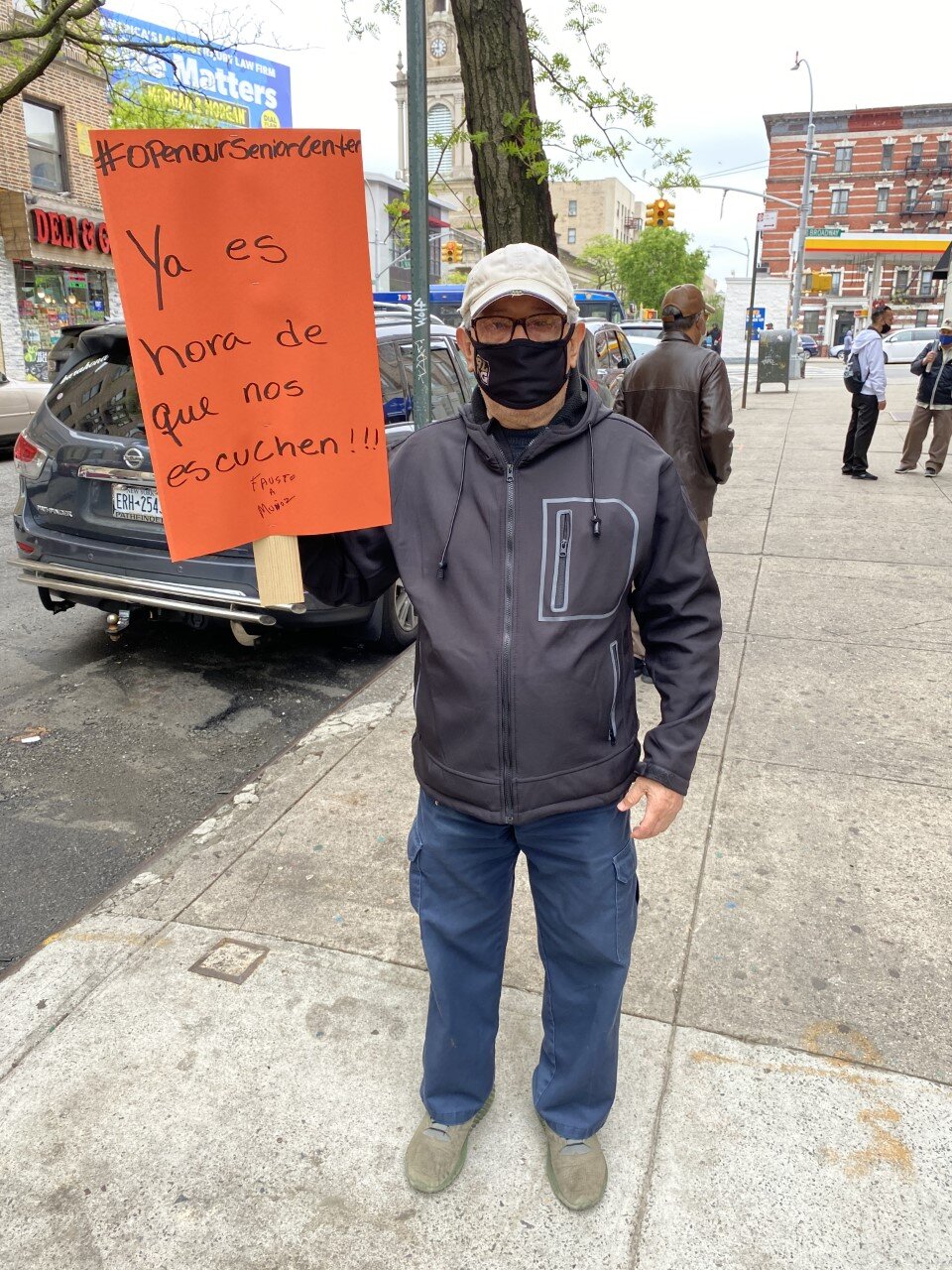
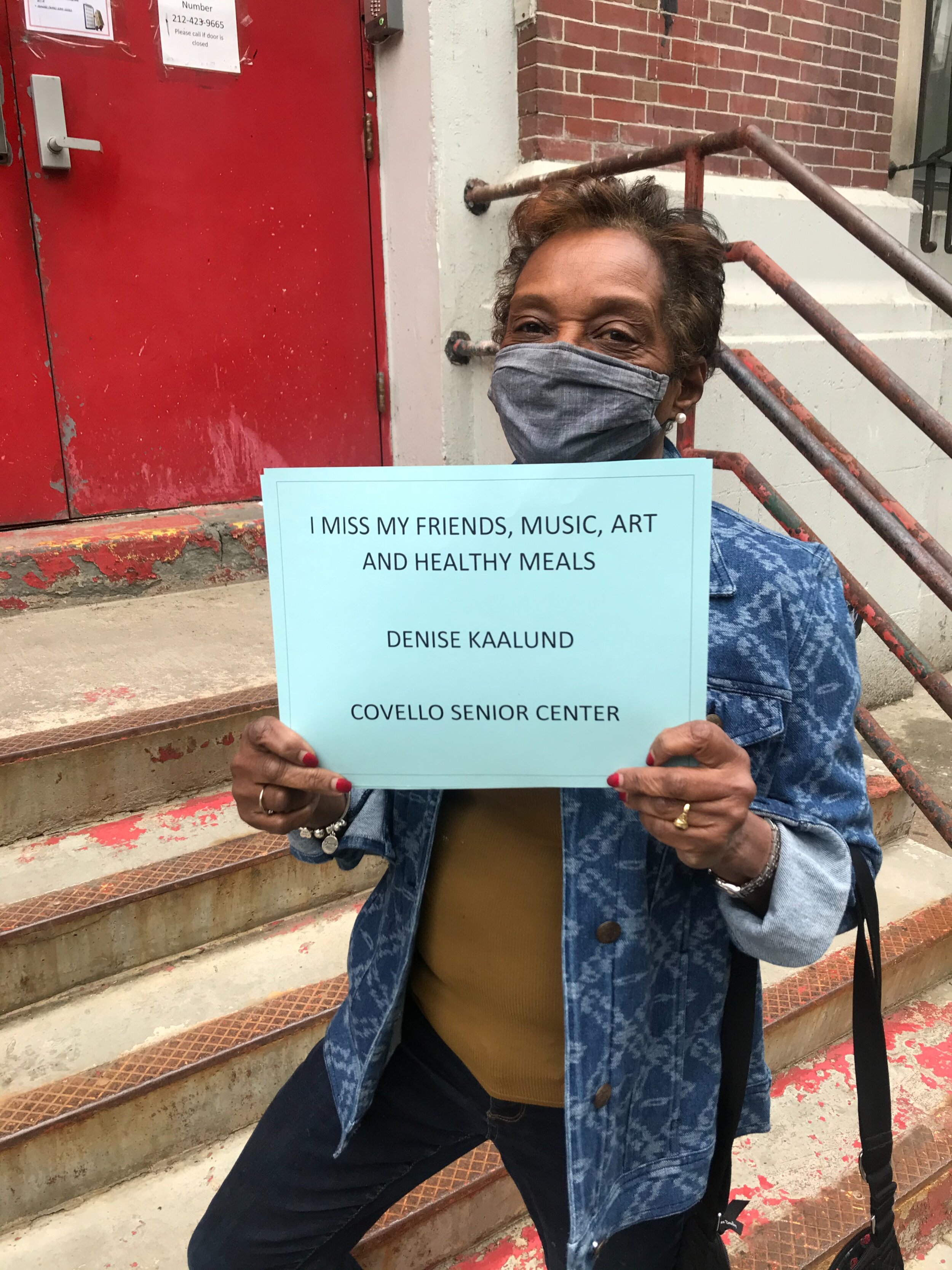
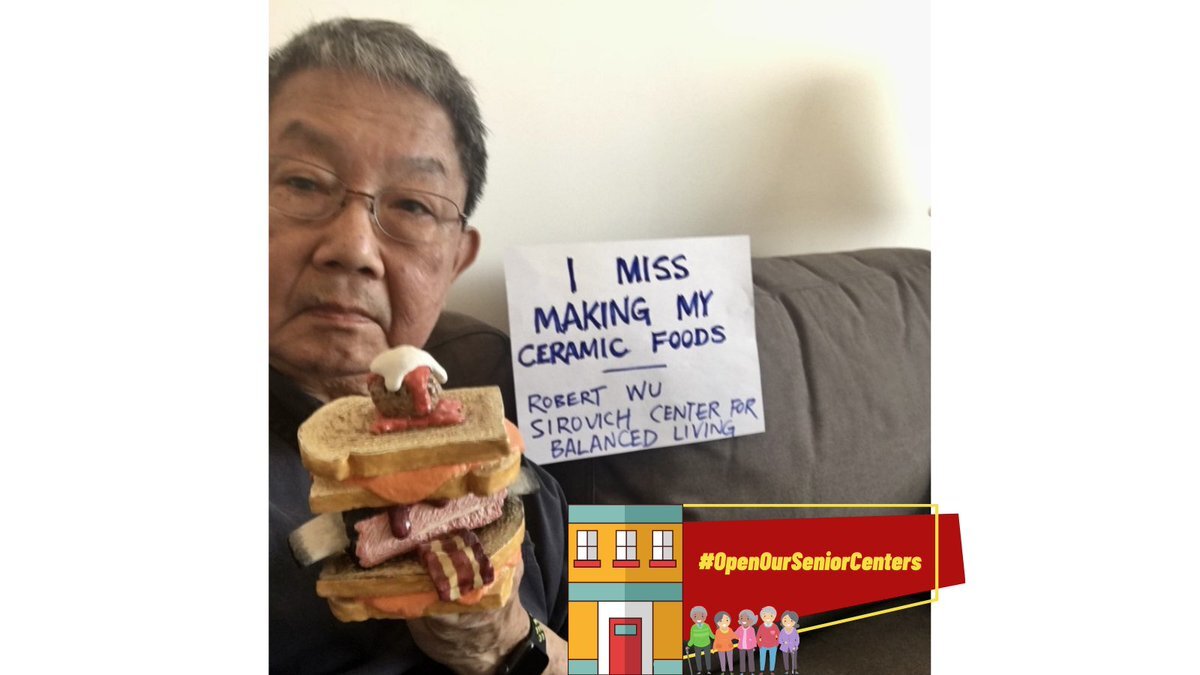
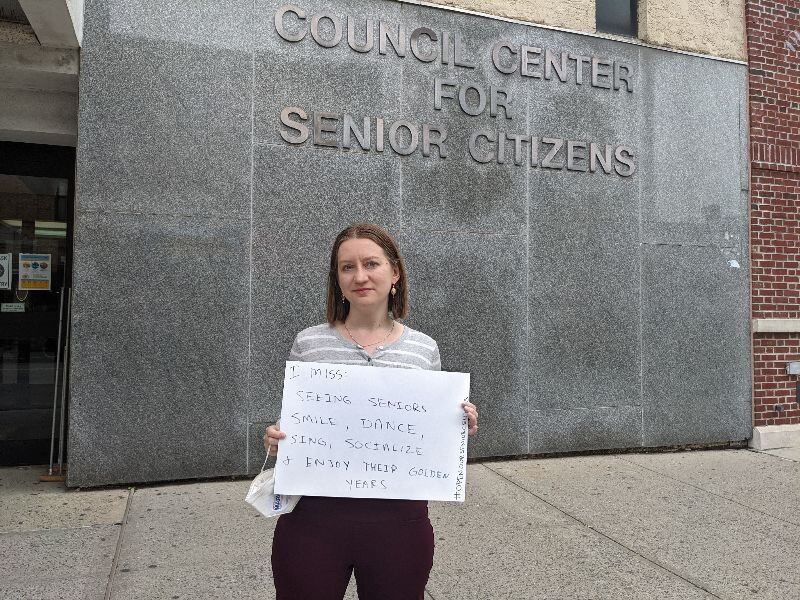
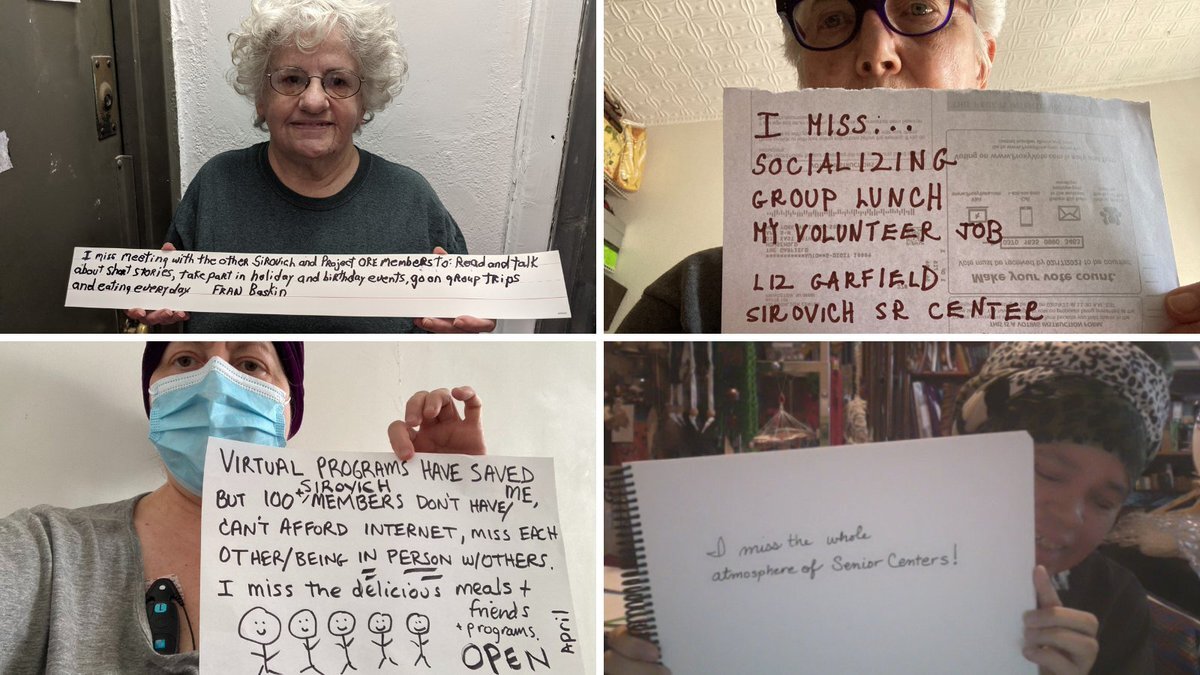
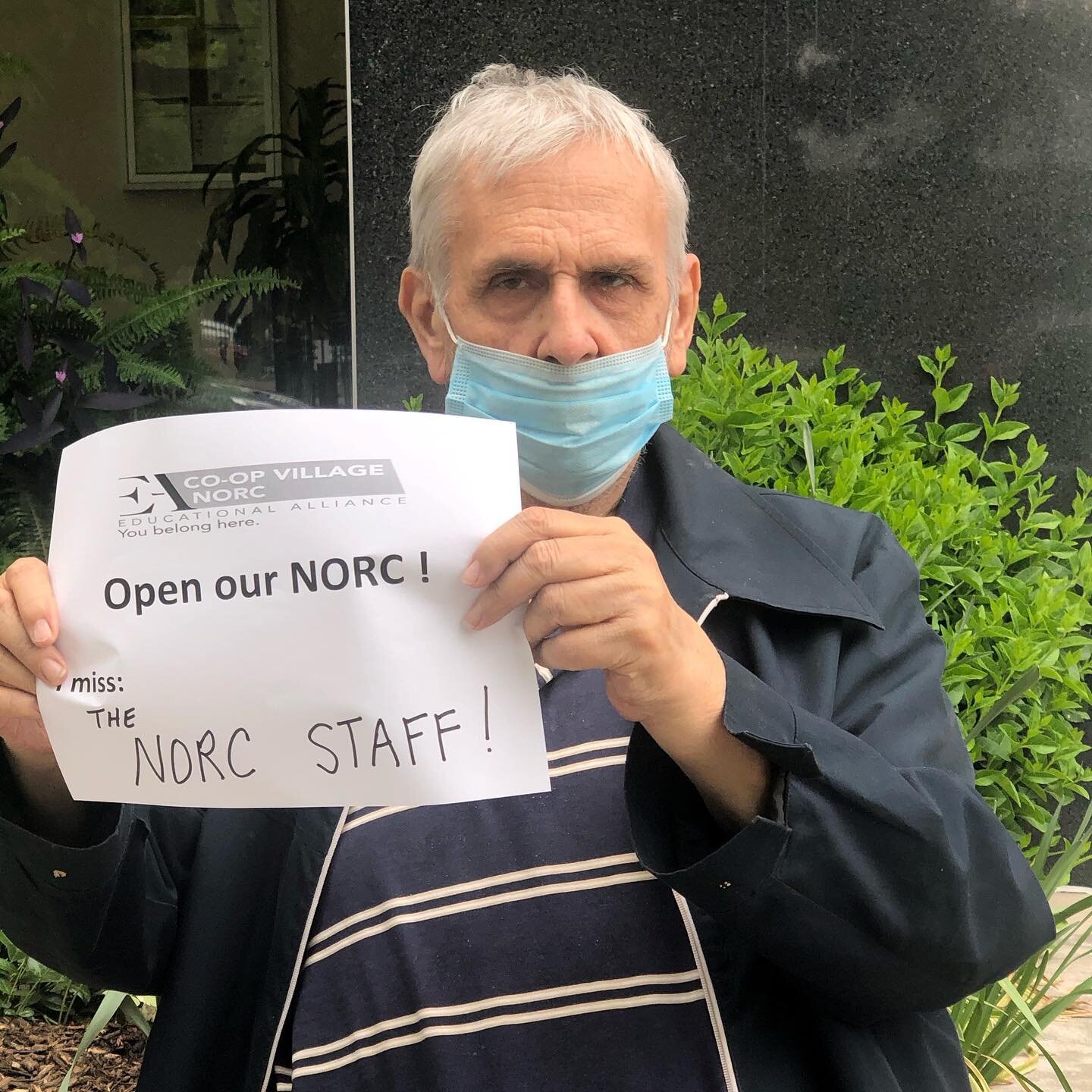
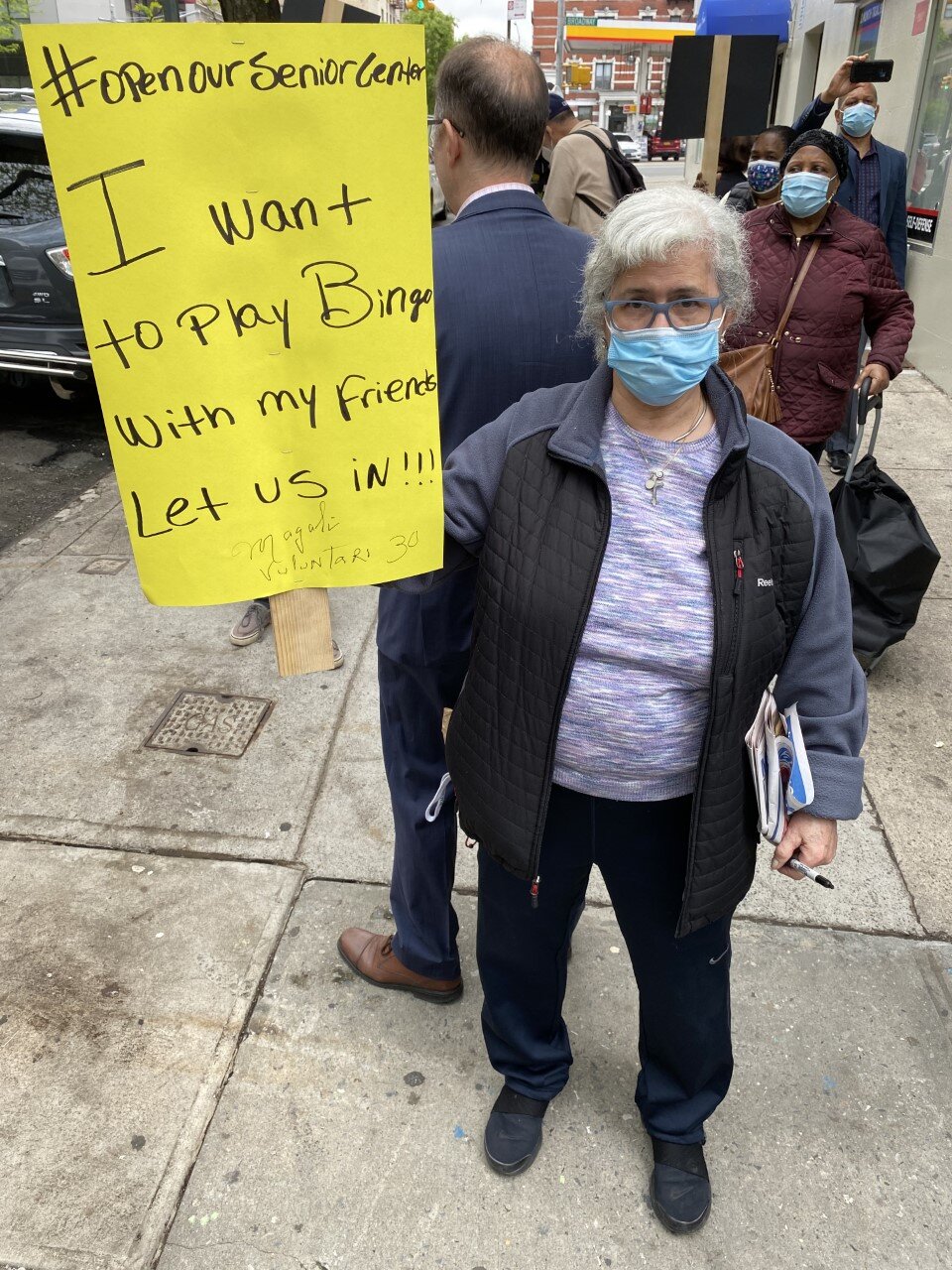
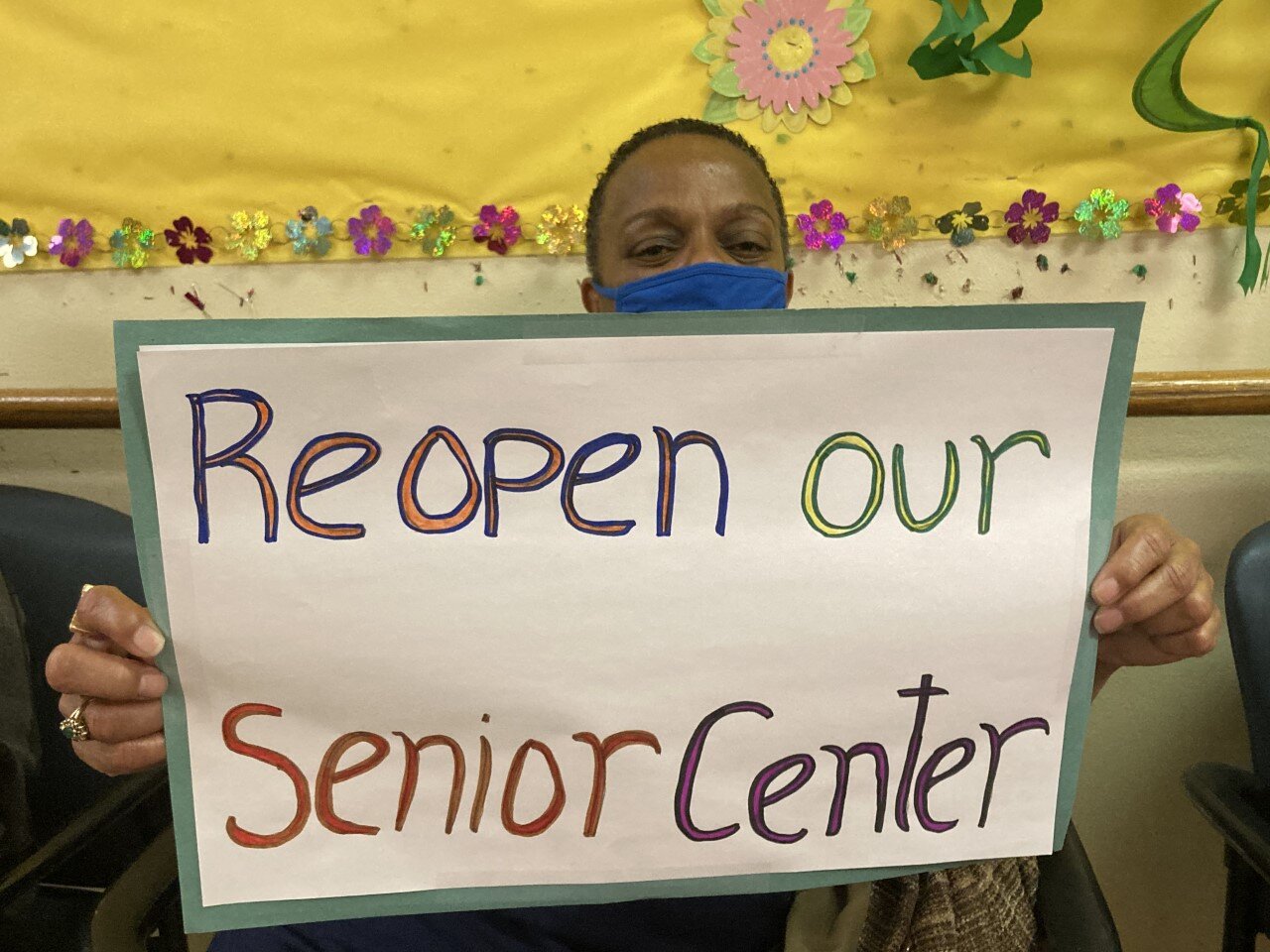
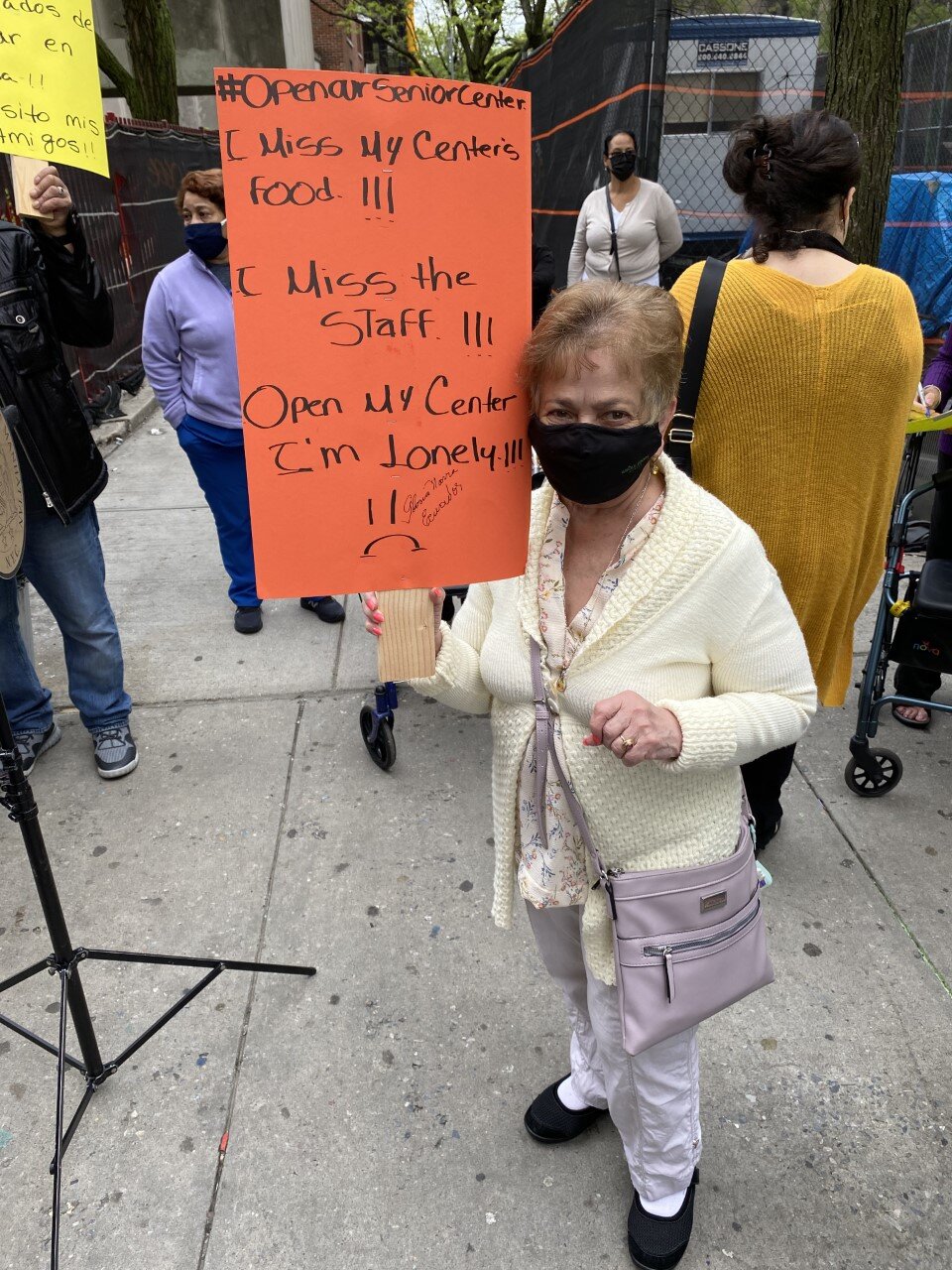
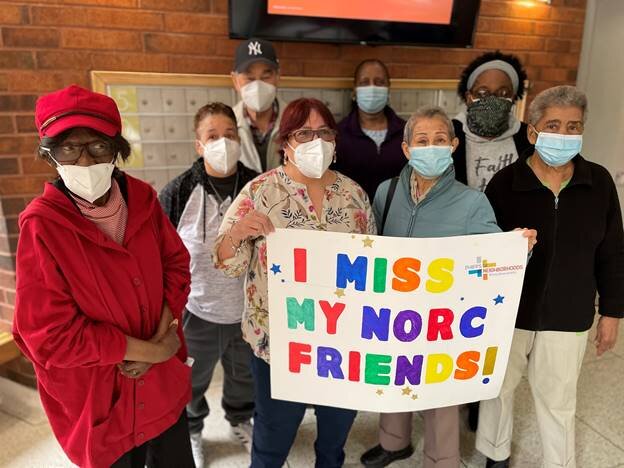
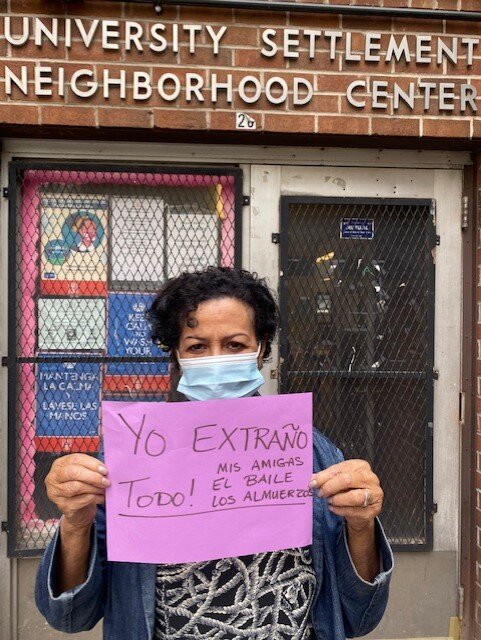
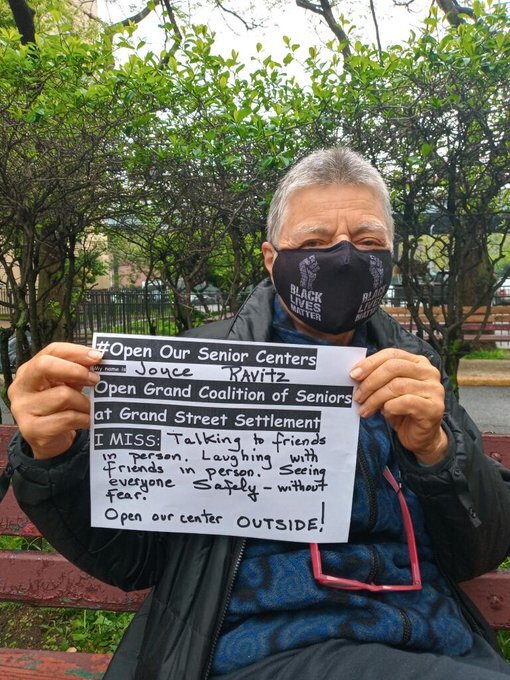
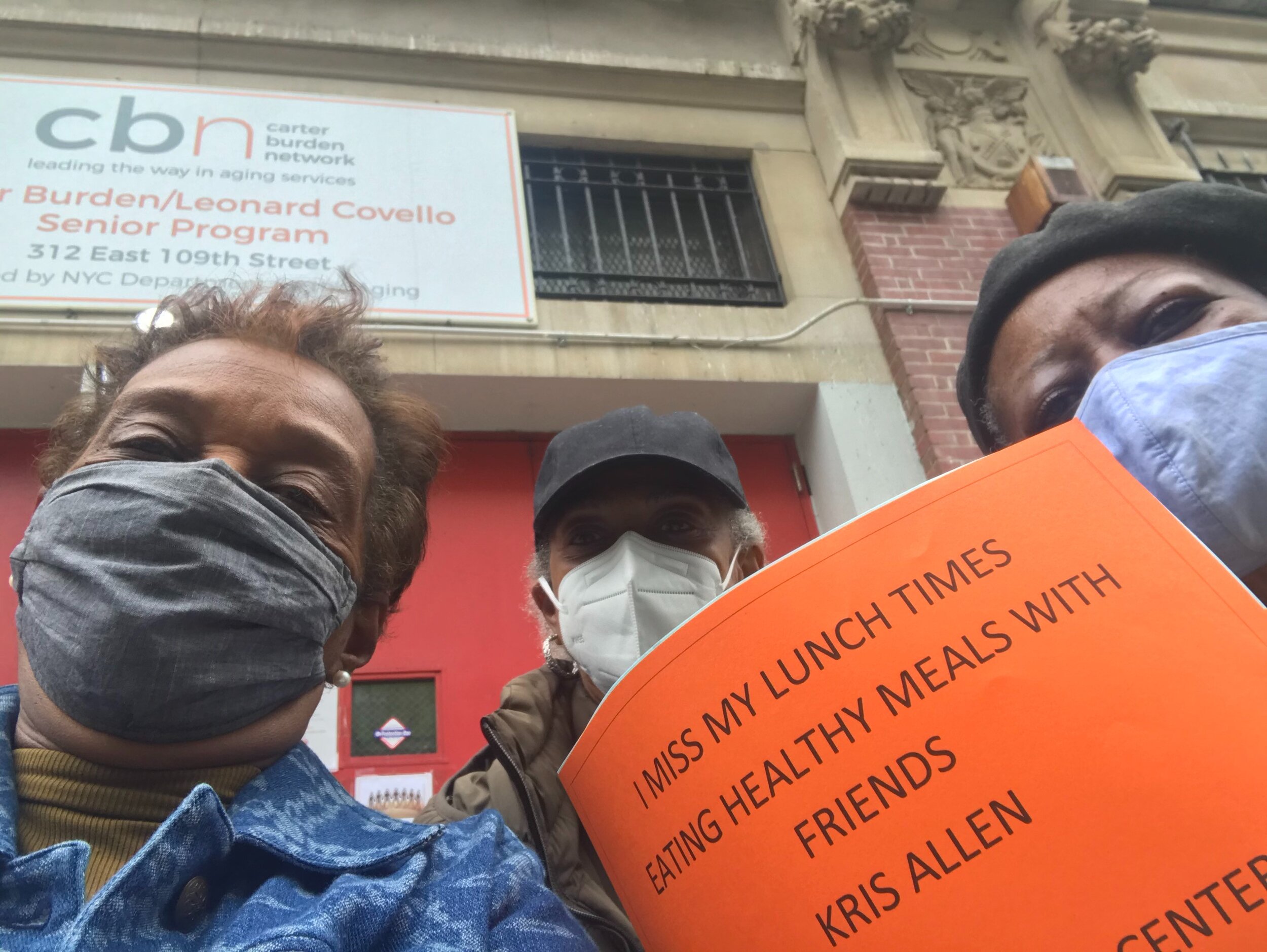
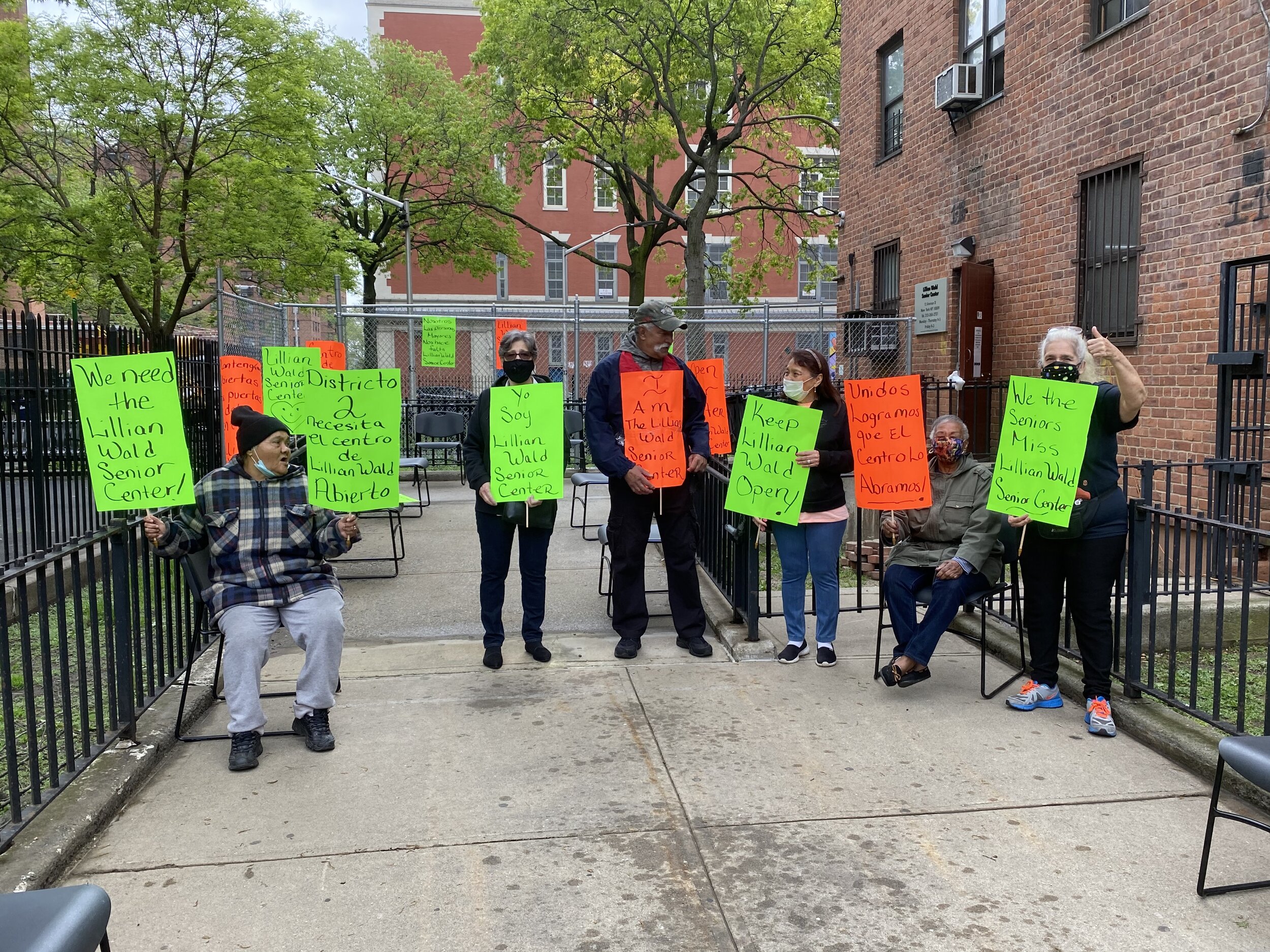
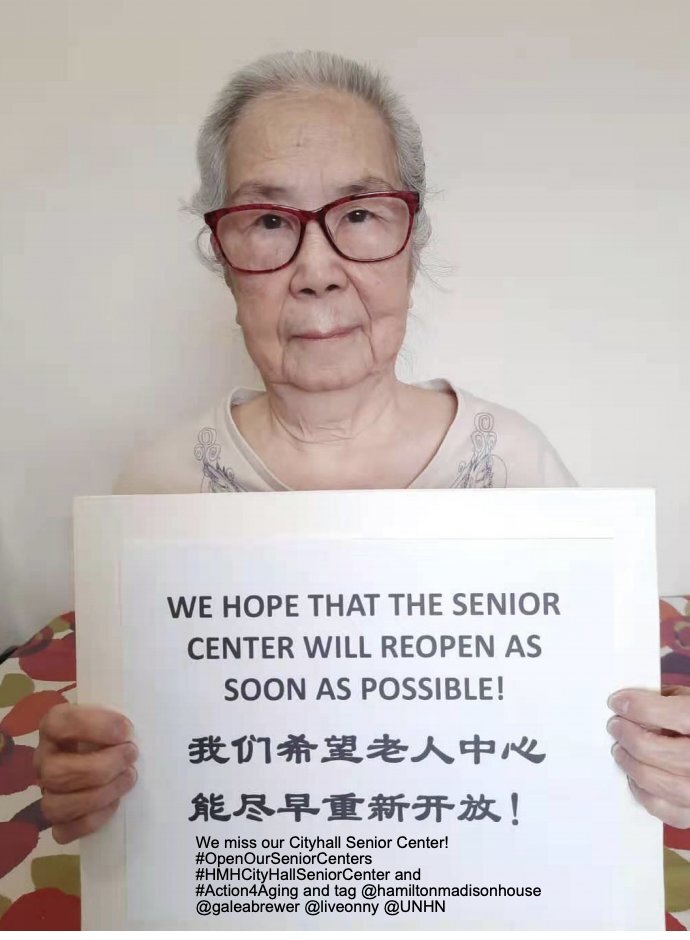
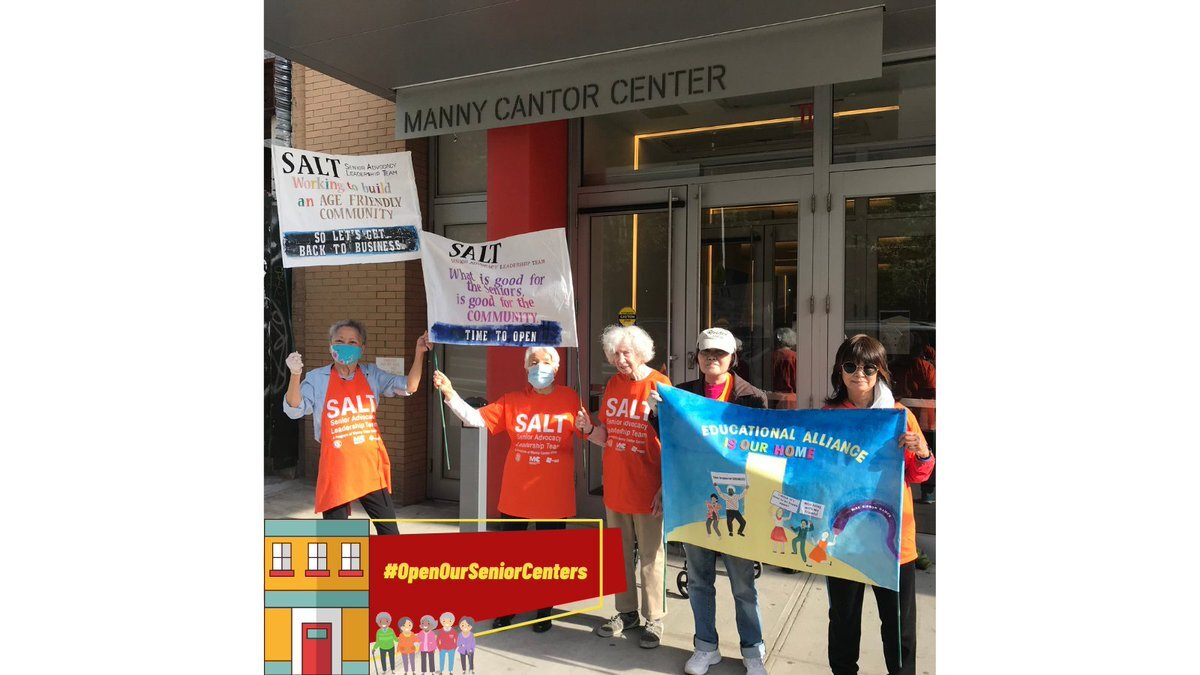
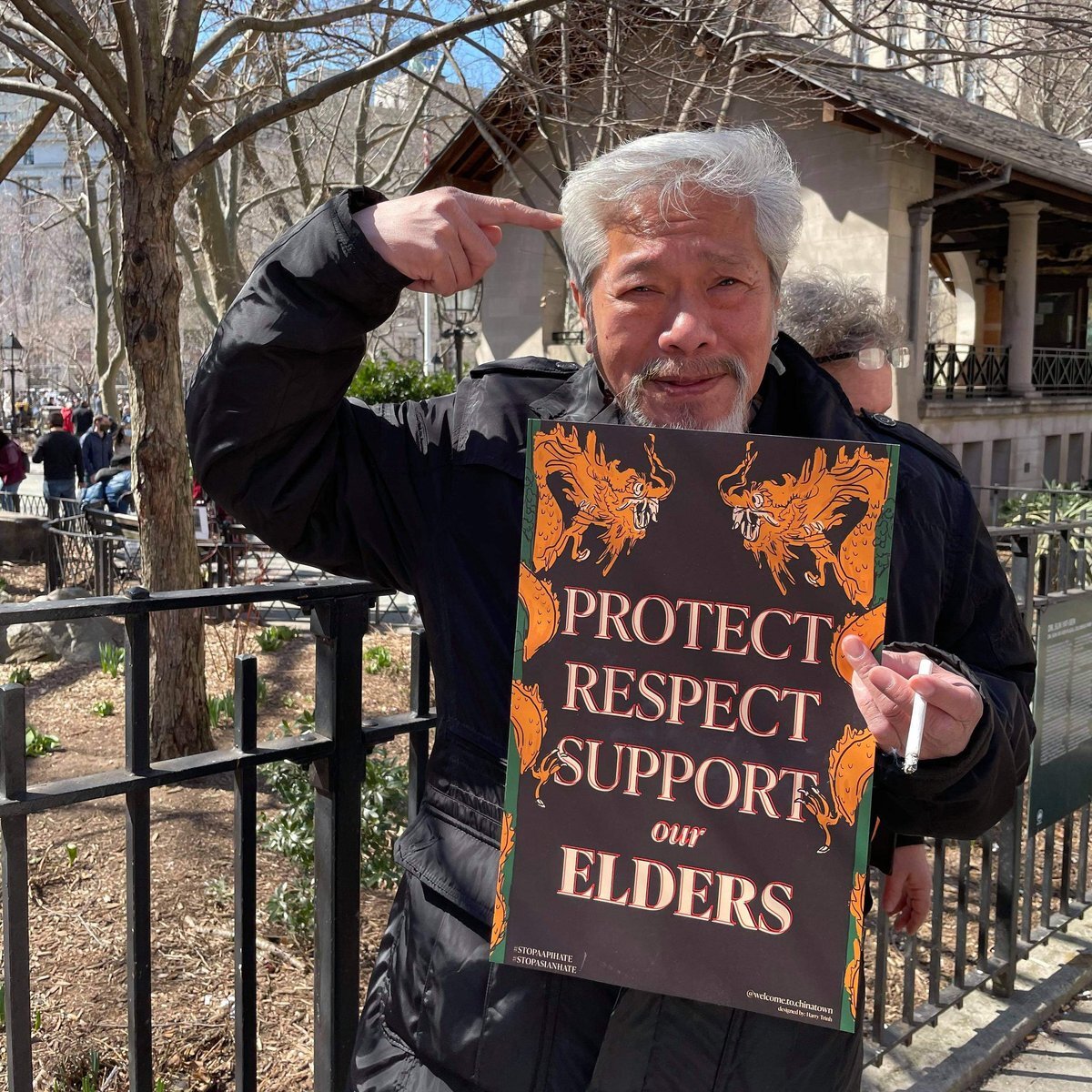
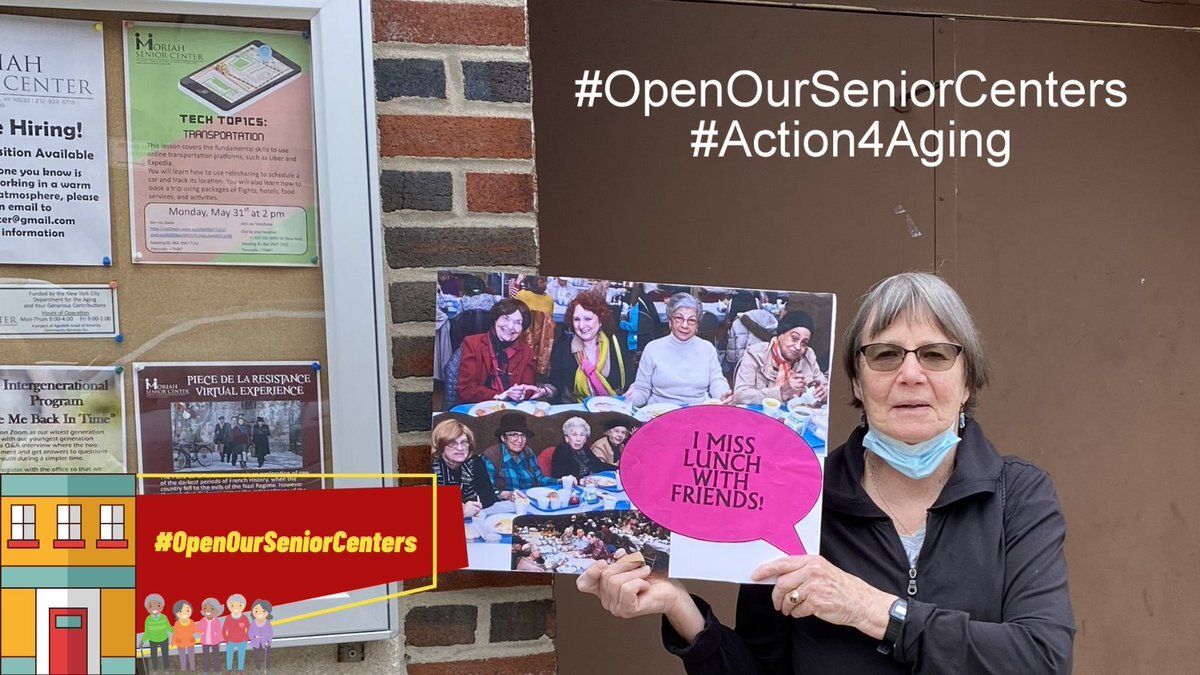
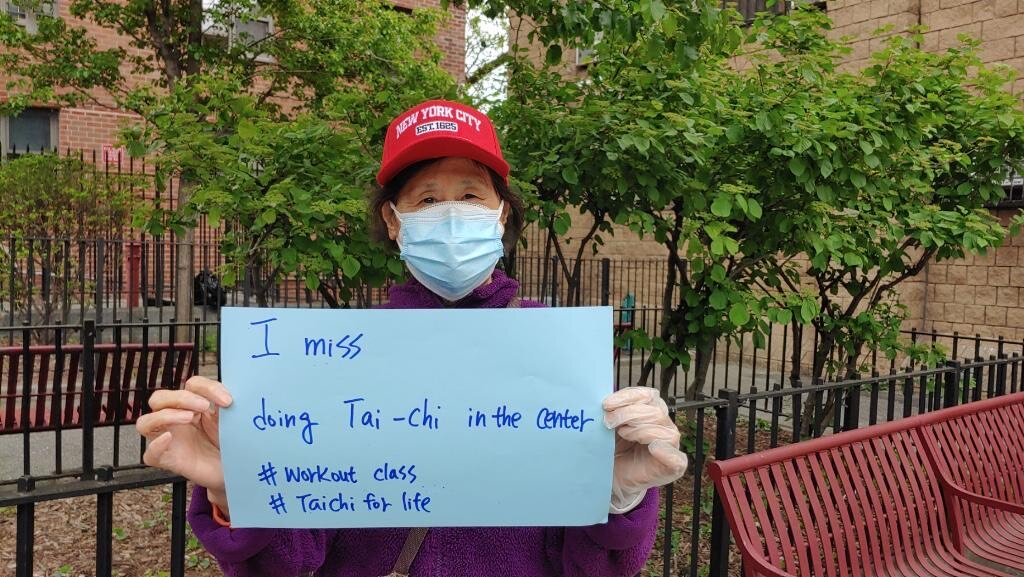
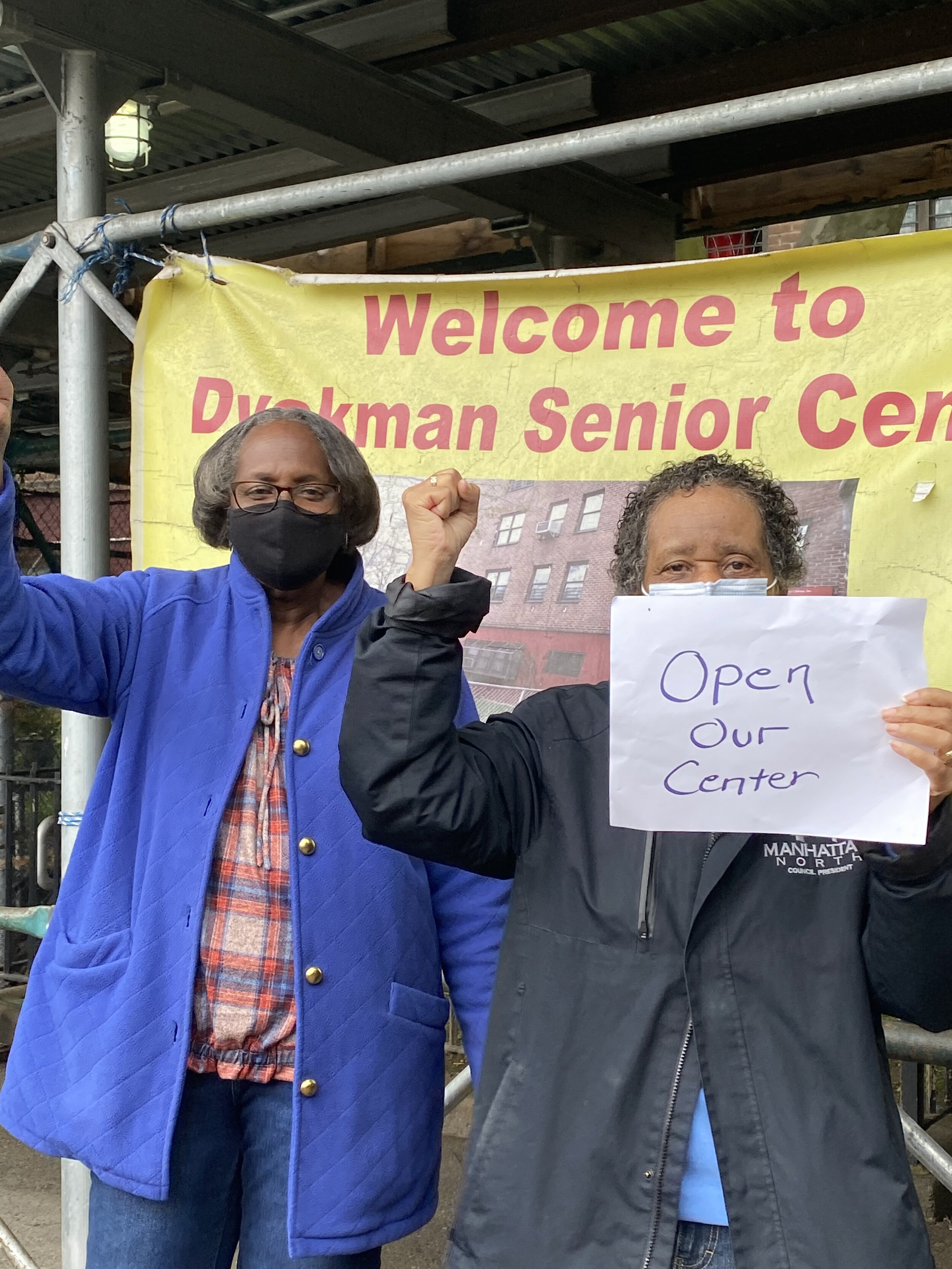
But the advocacy didn’t stop there… Manhattan Borough President Gale Brewer, joined by LiveOn NY and our partner, United Neighborhood Houses, also coordinated an opportunity on May 4th for older adults to share their calls for Senior Centers to reopen in person. Using the hashtag #OpenOurSeniorCenters, dozens of older New Yorkers took pictures sharing messages of what they miss most about their senior center, to demonstrate why it’s critical that these spaces reopen.
In all, our 26th Annual Advocacy Day was unlike any other, and we’re just getting started. Thank you to all of the participants who joined our rally, made calls, took pictures, or shared tweets to demand #Action4Aging.
Check out highlights from the day, below!



Soon 1 in 5 New Yorkers will be over the age of 60. With an aging City, we must create a better future to age in for all NYers. #Action4Aging #OpenOurSeniorCenters @galeabrewer @liveonny @UNHNY. pic.twitter.com/6PIRyI5Gbw
— Manny Cantor Center (@MannyCantorNYC) May 4, 2021
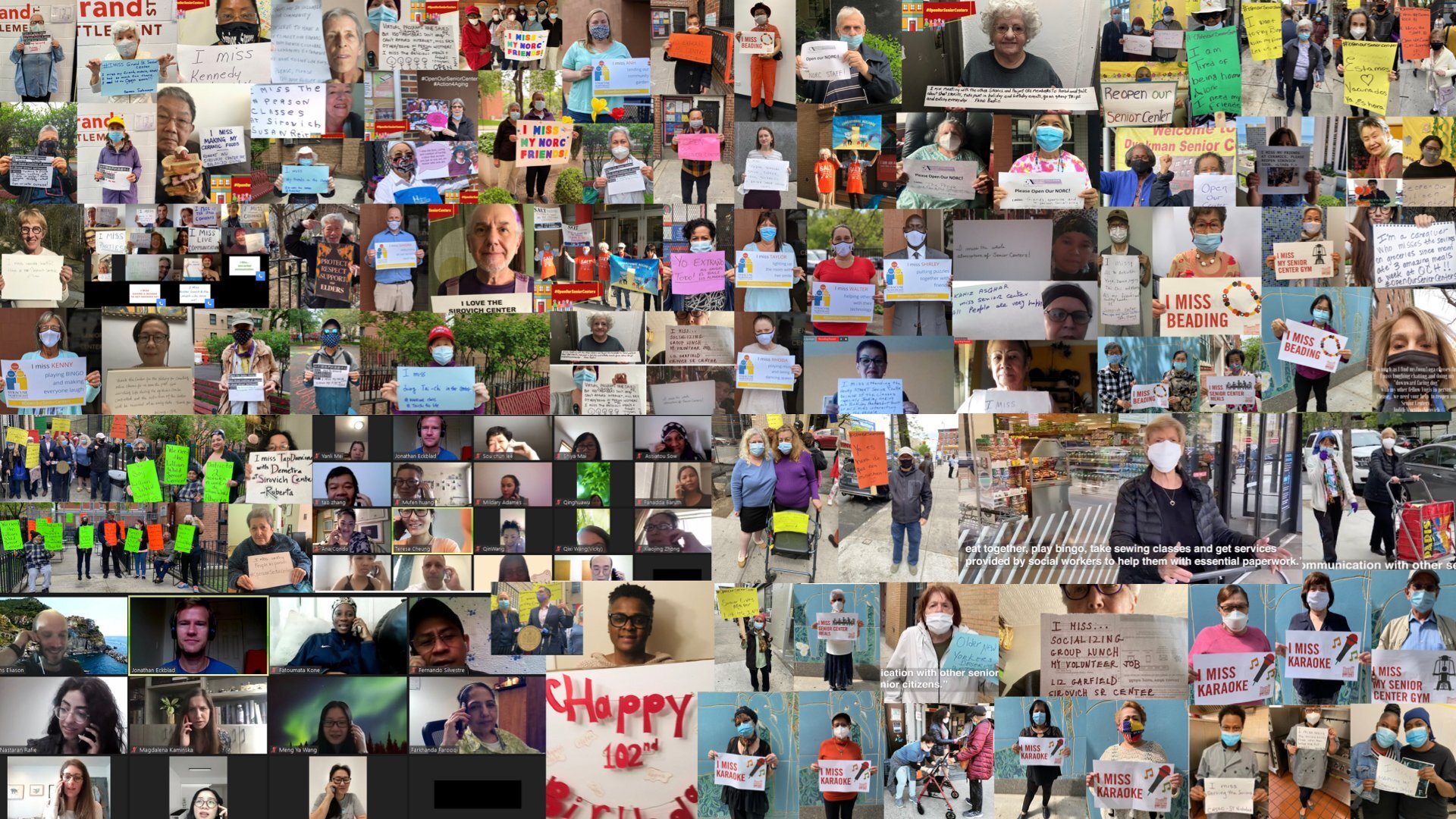
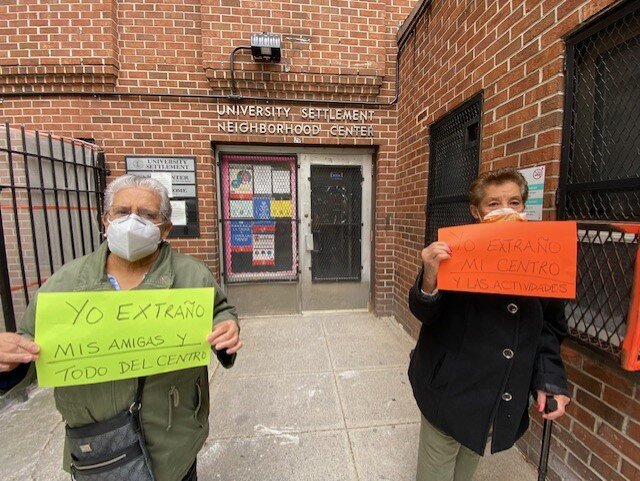
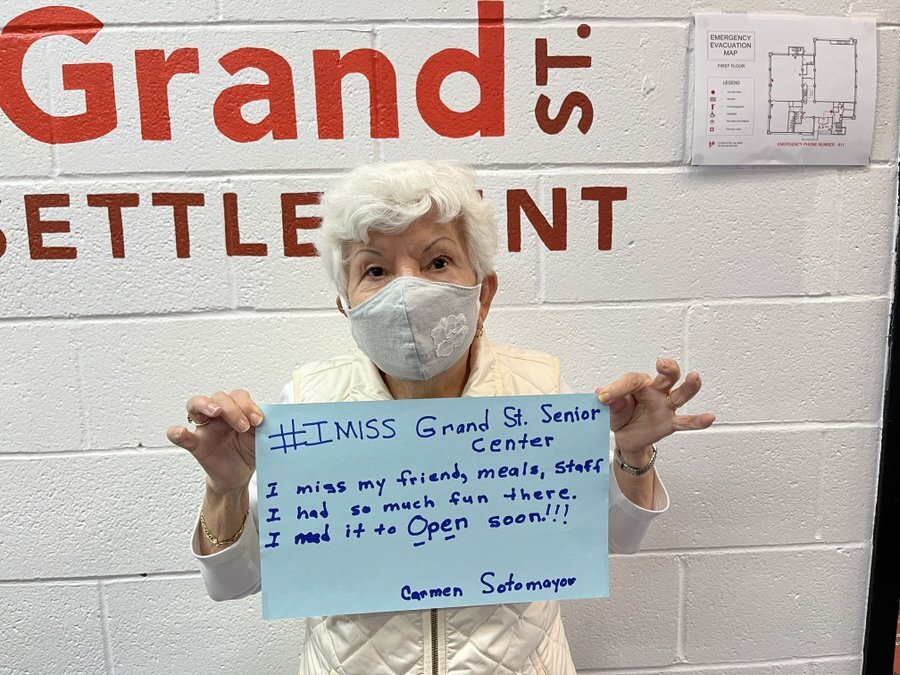
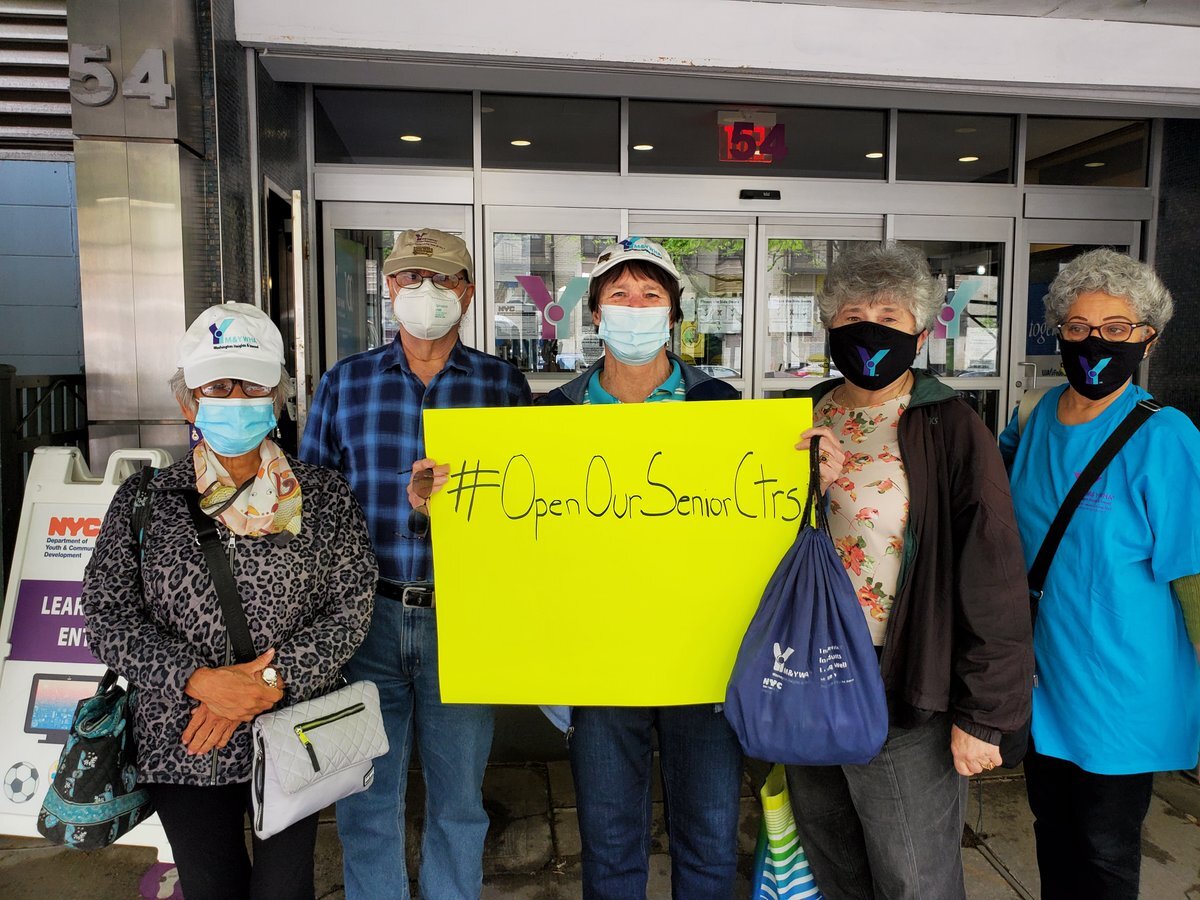
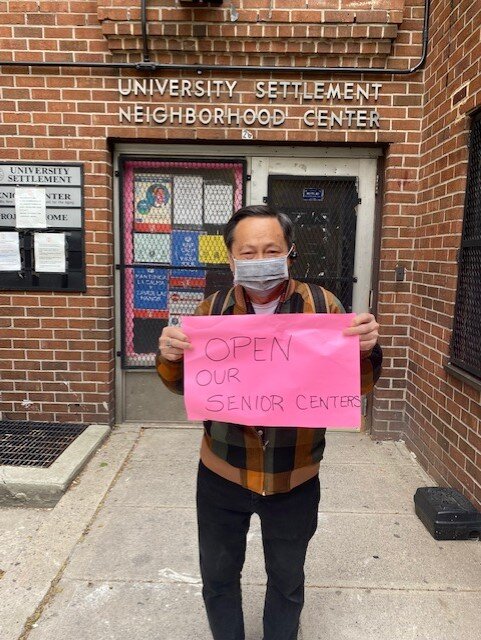
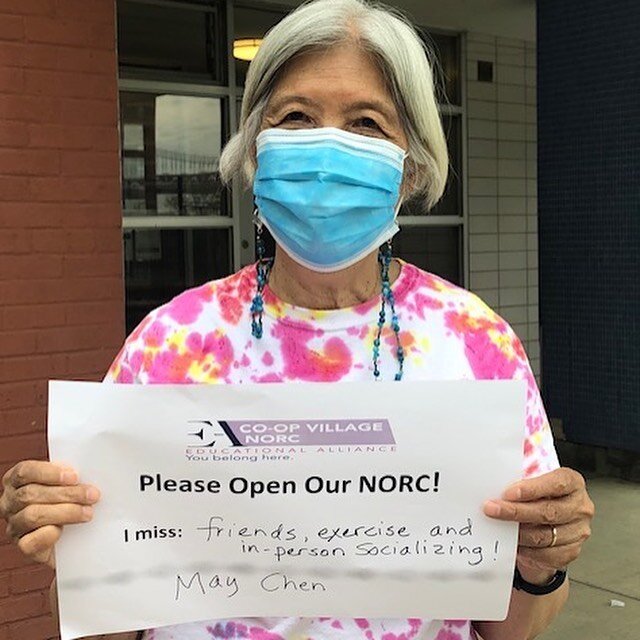
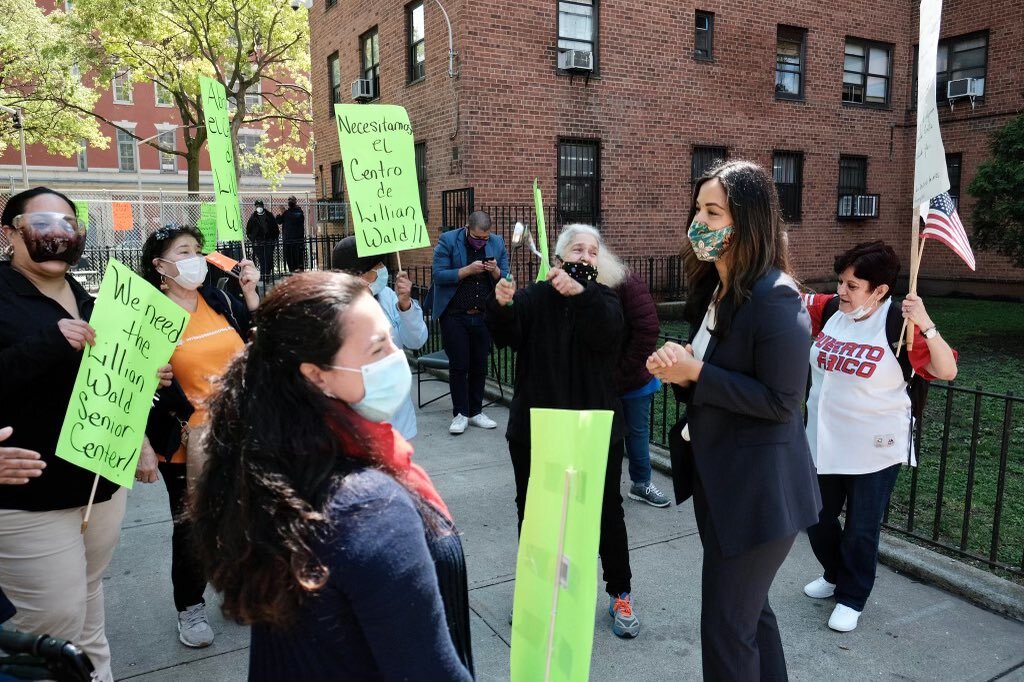
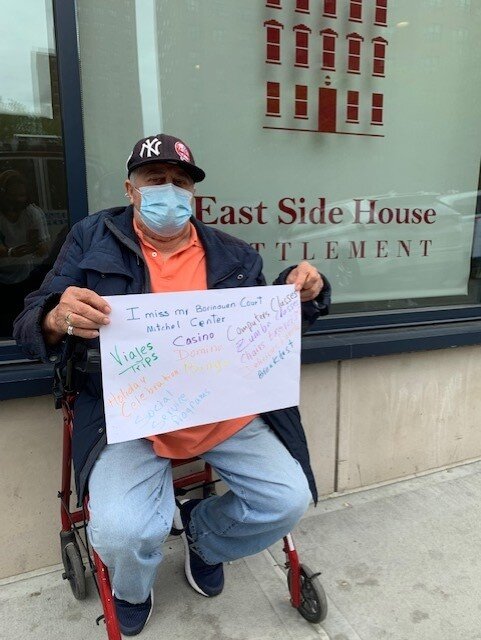
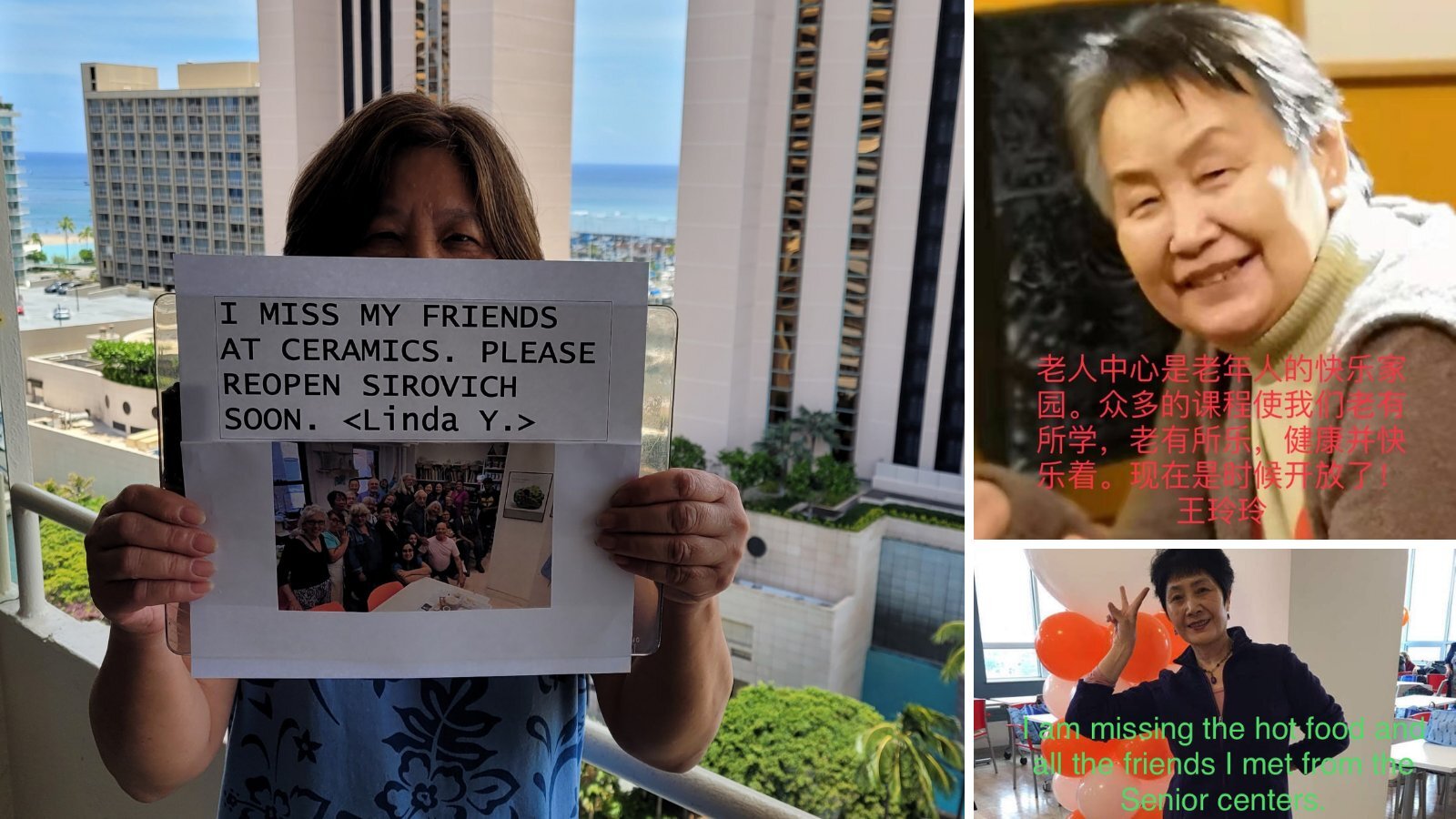
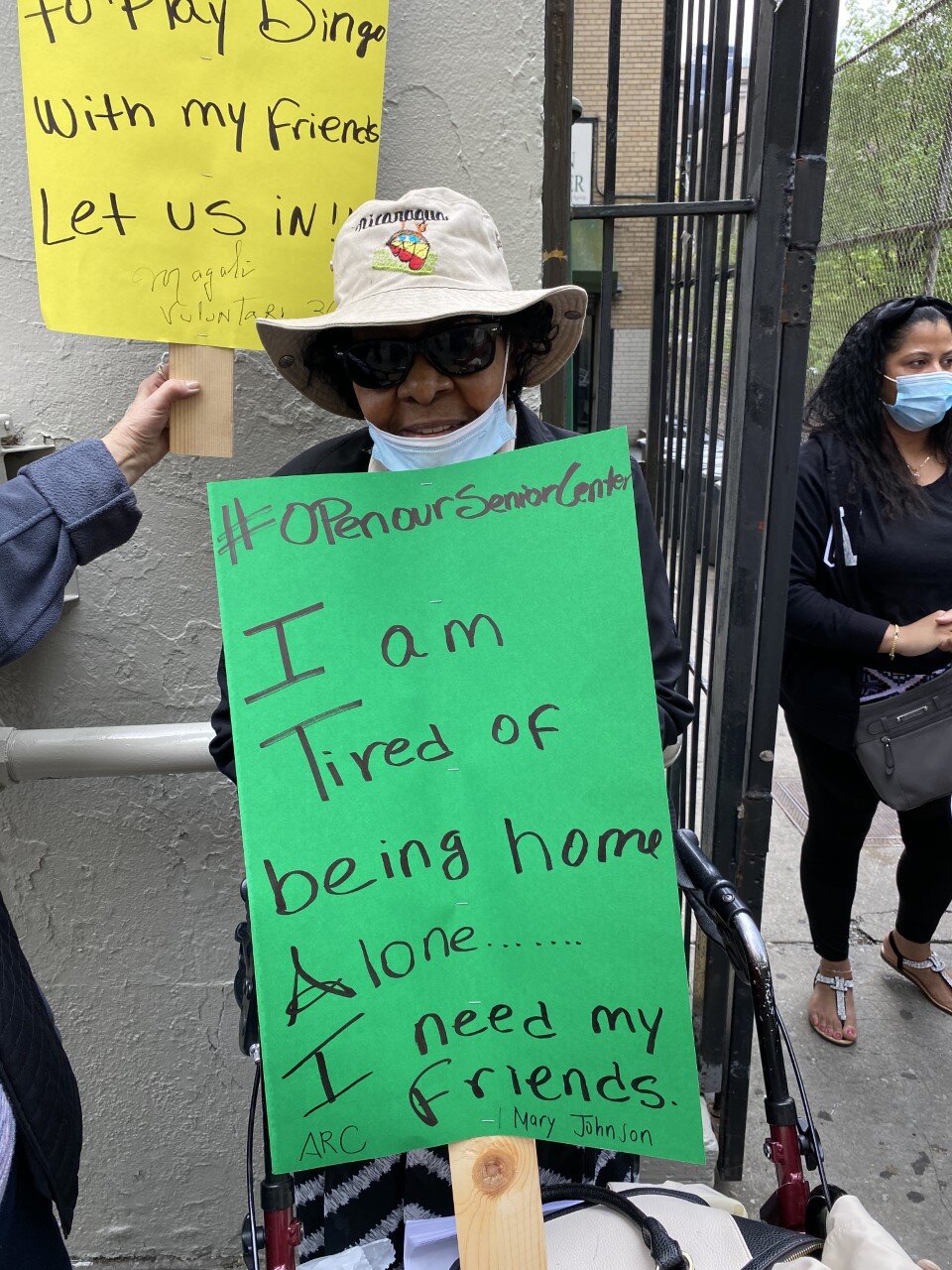
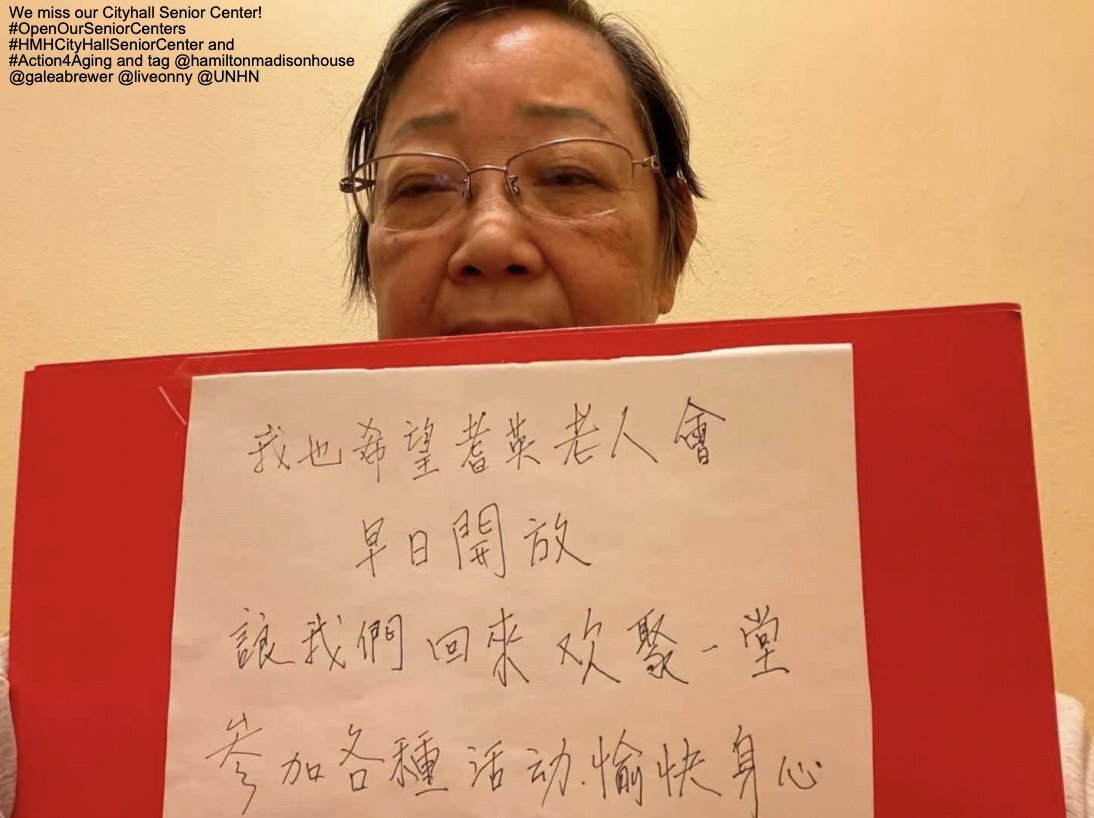
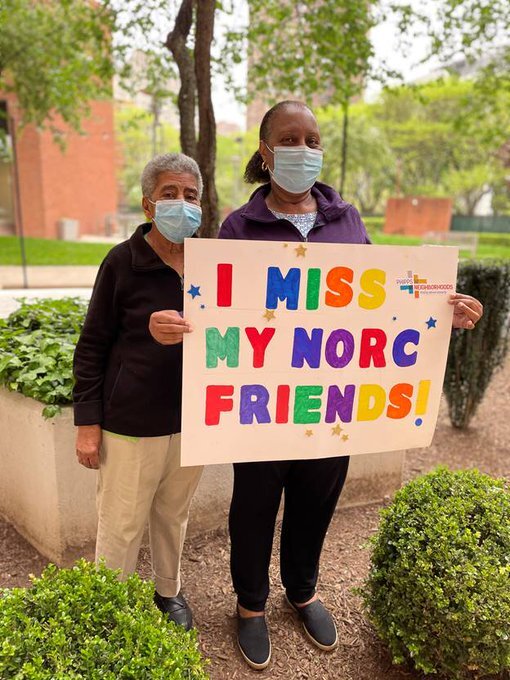
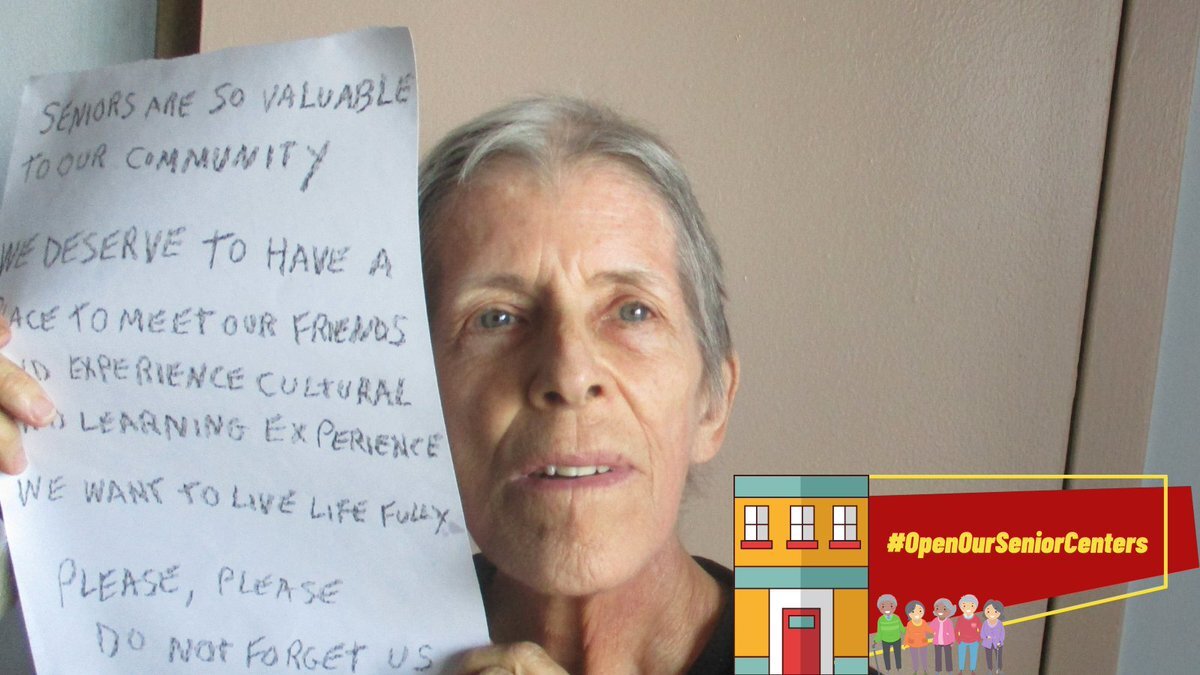
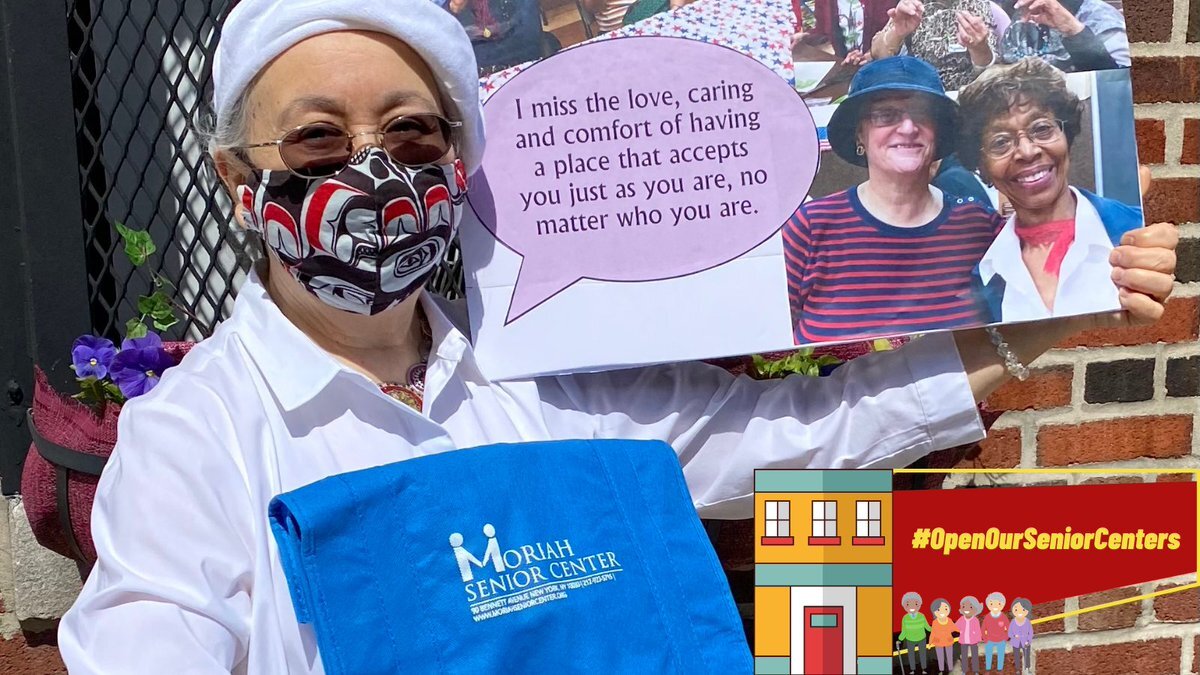
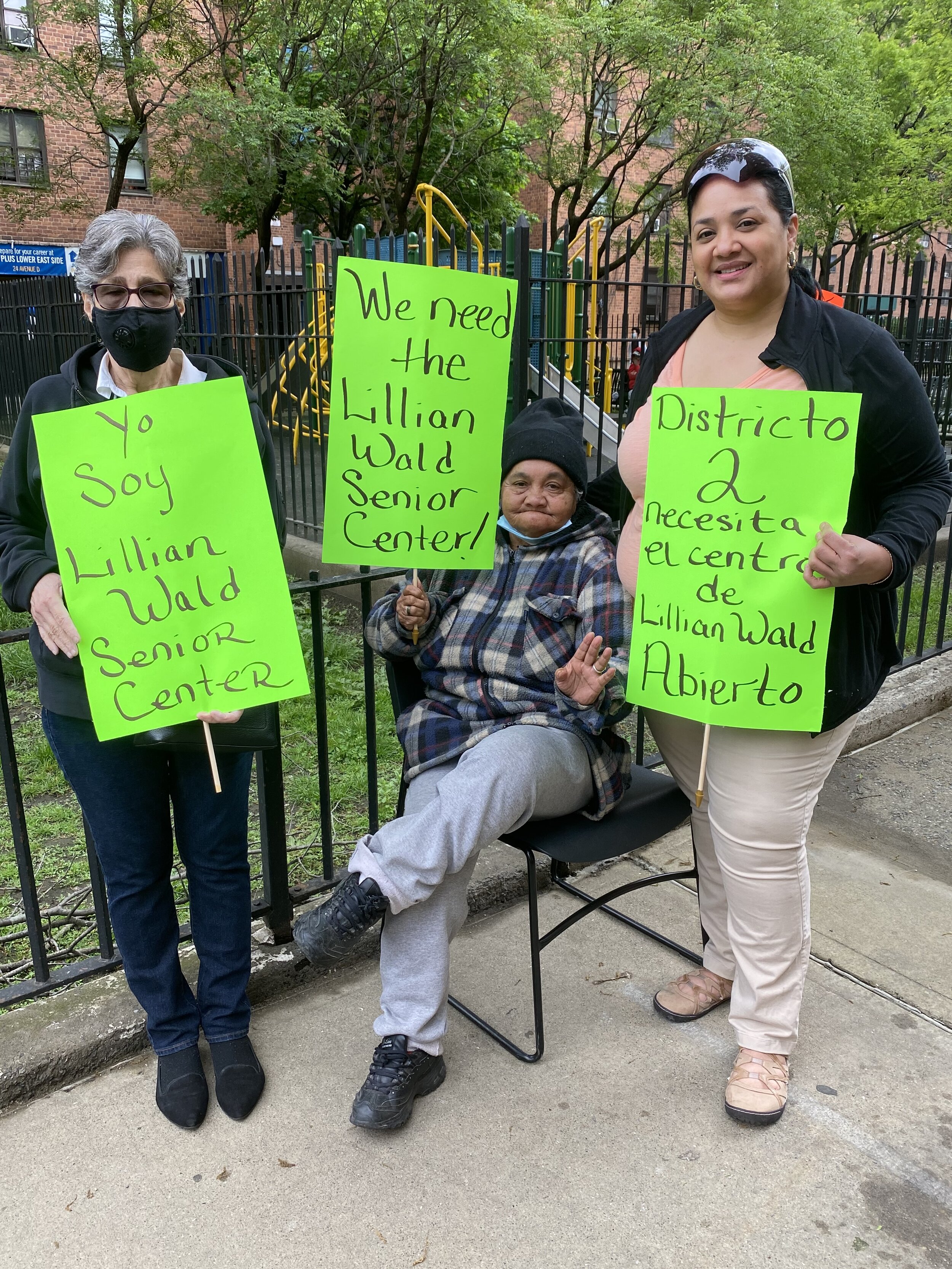
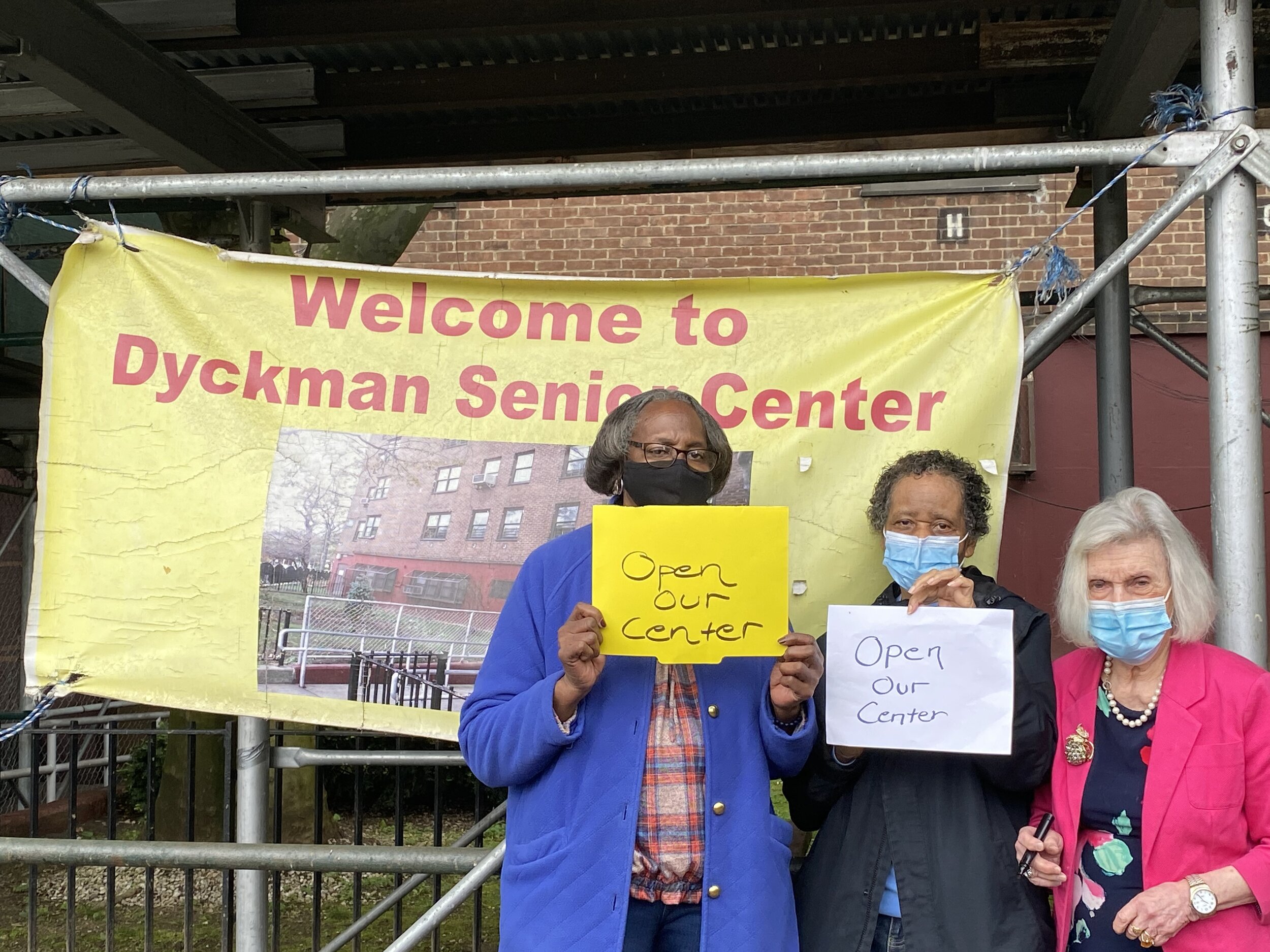
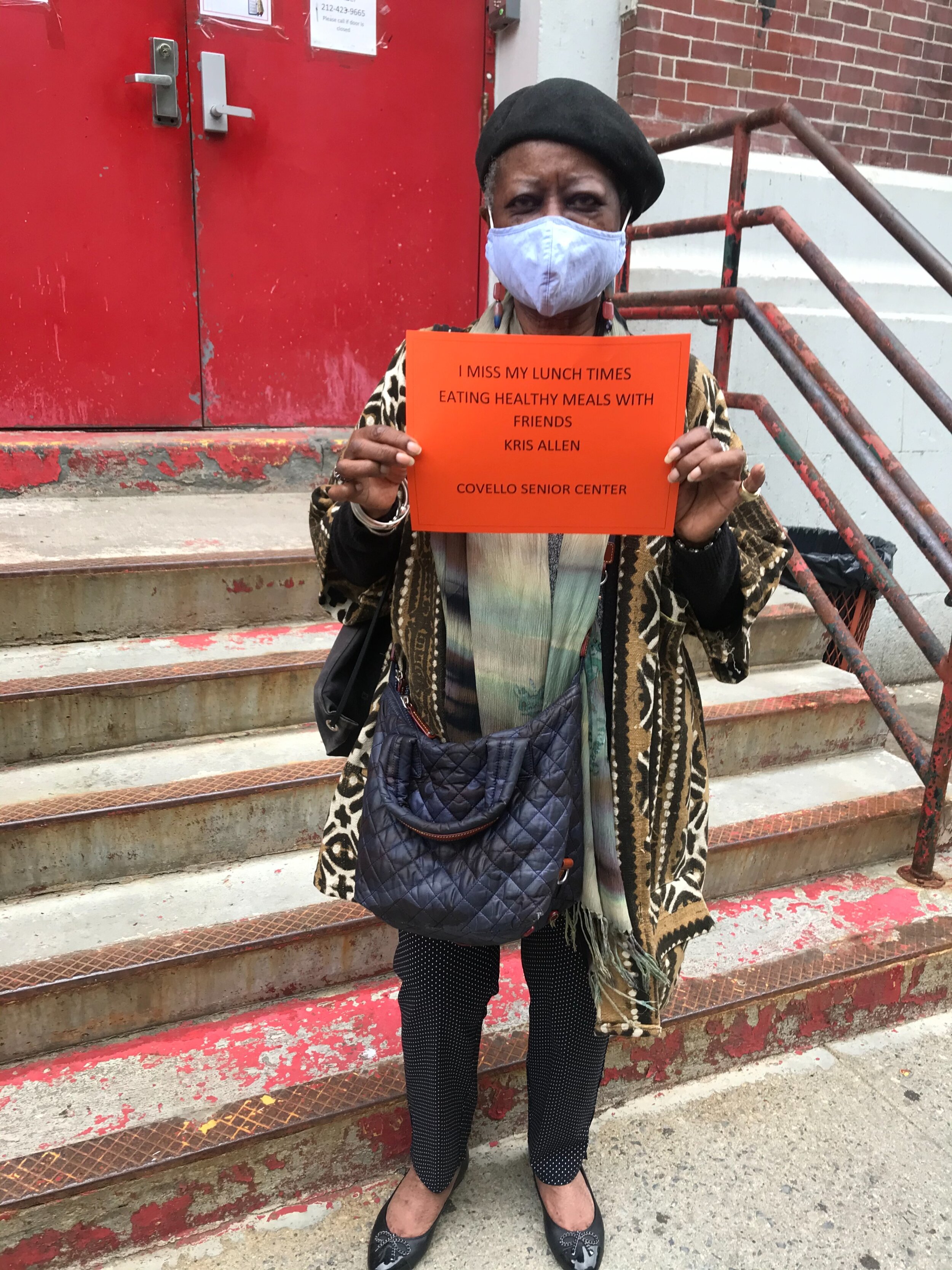
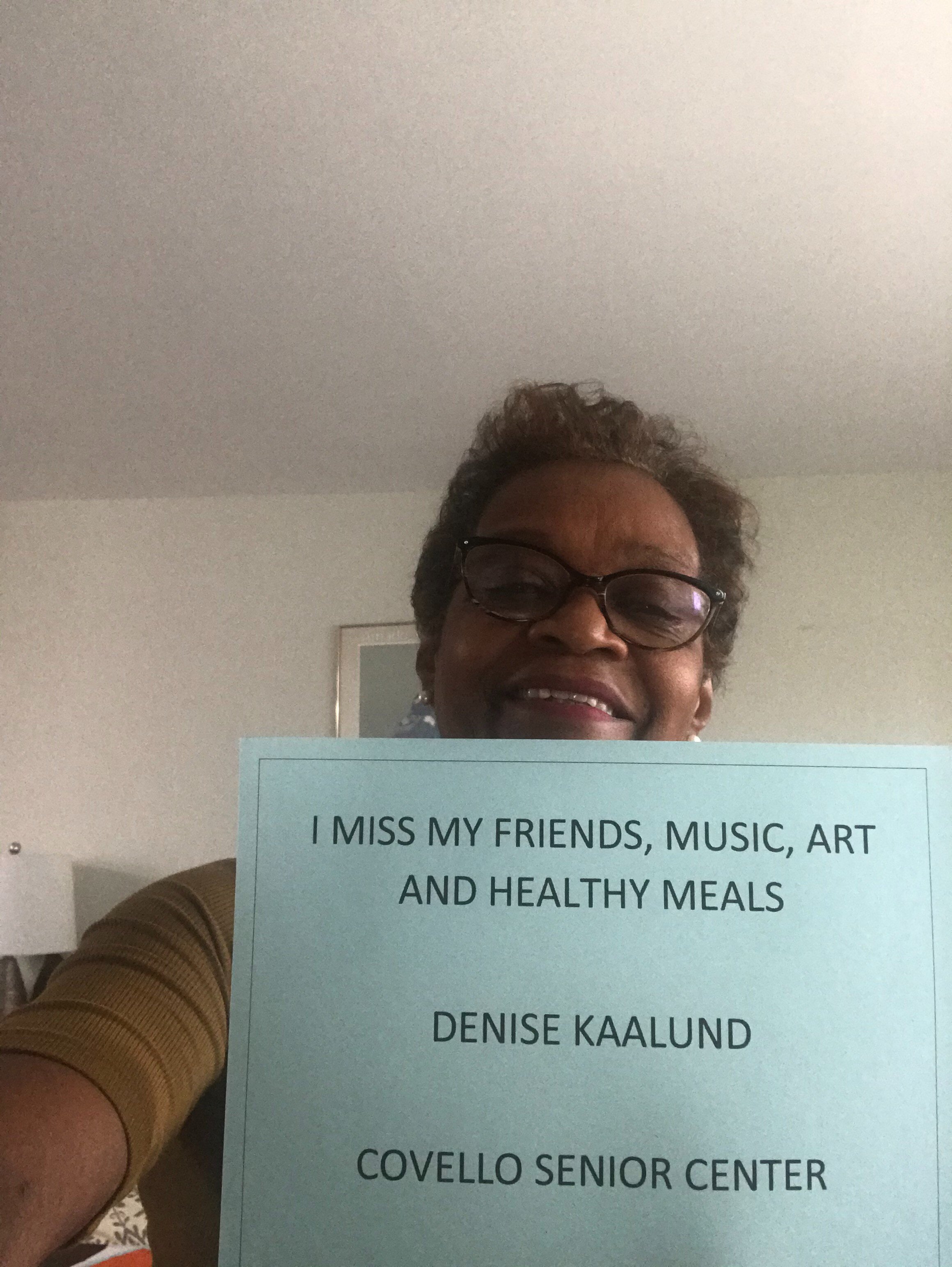
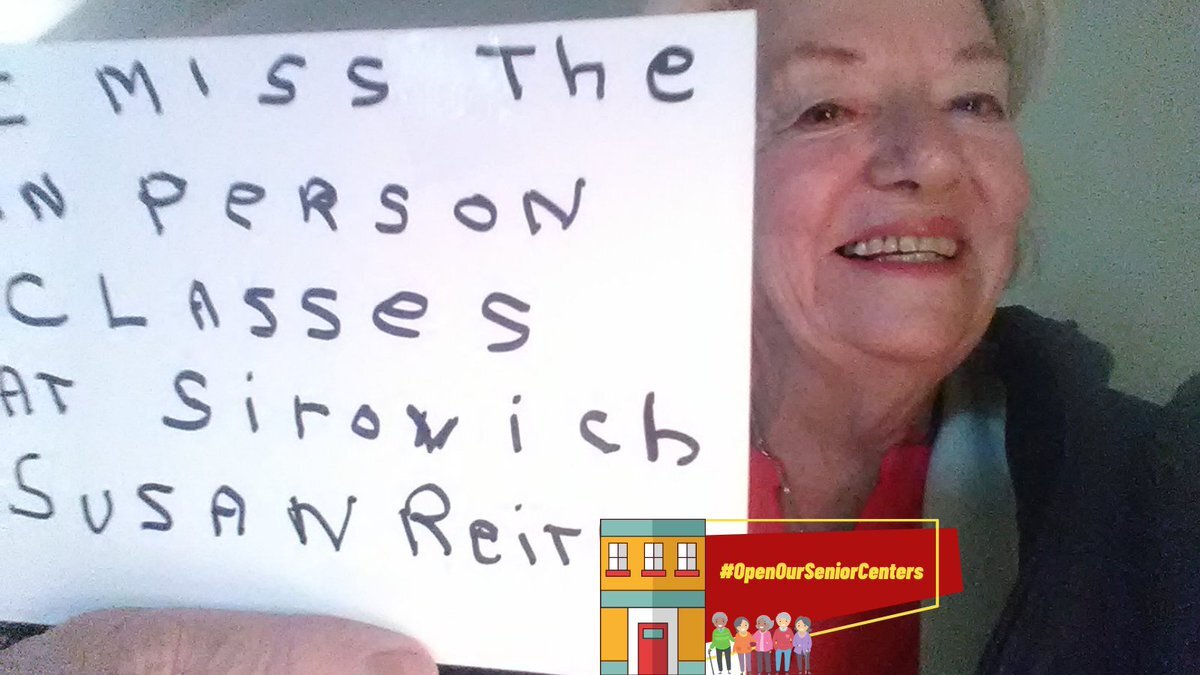
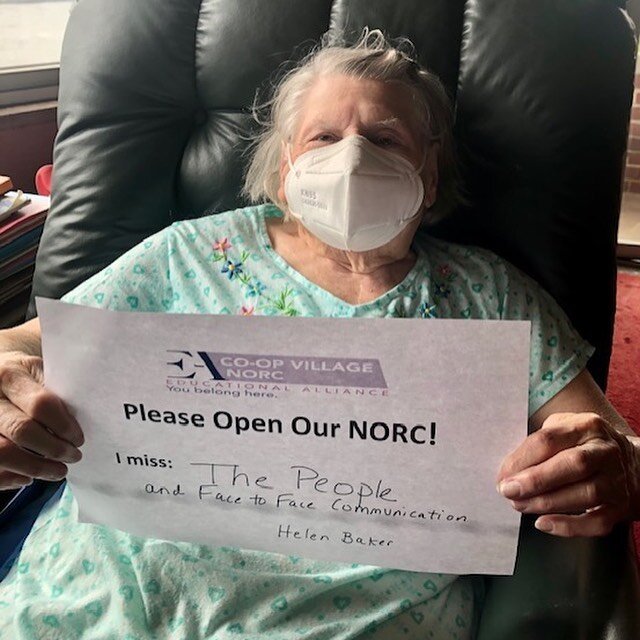
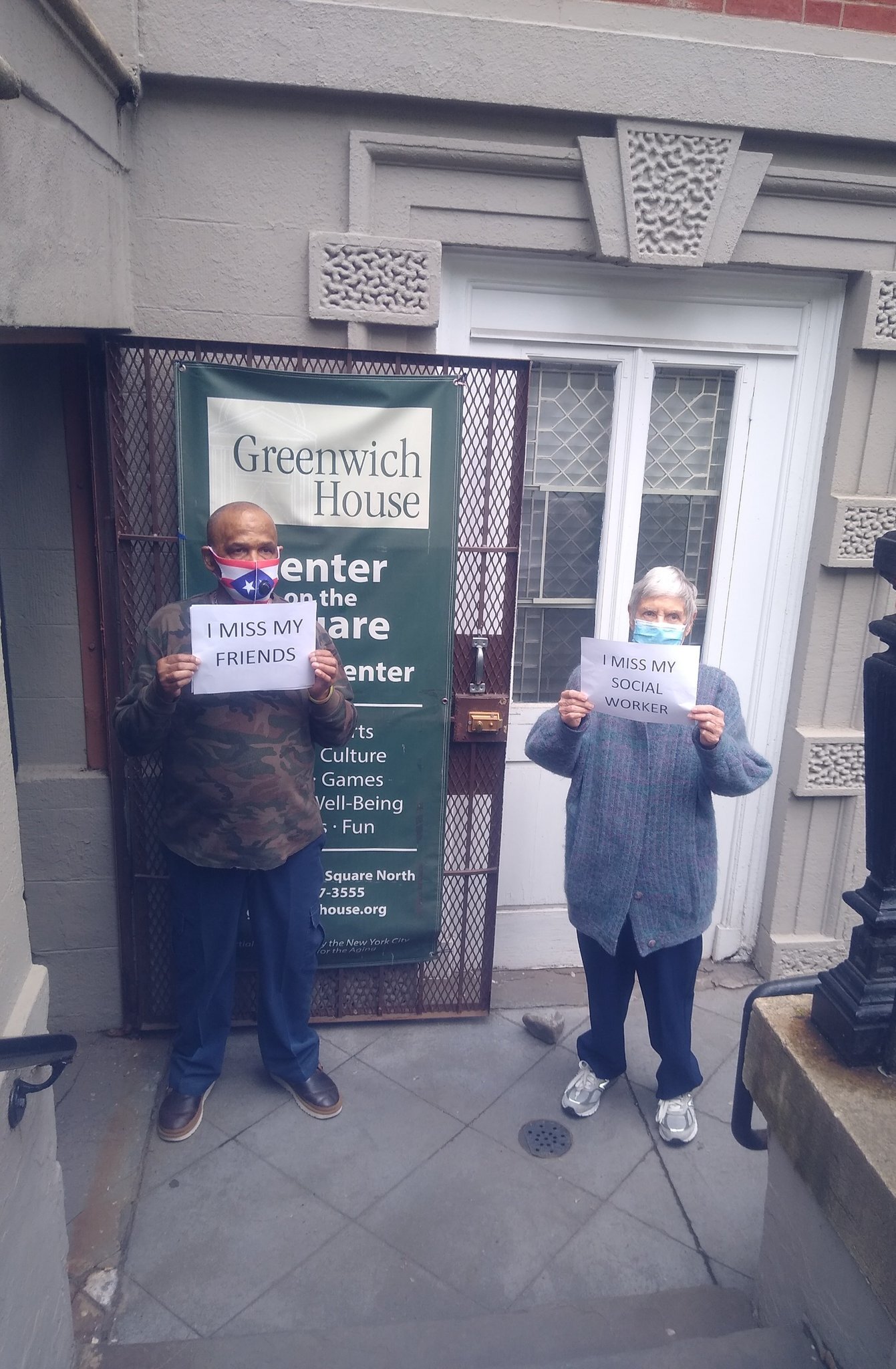
Thank you to all of the participants of our Advocacy Day!
Advocacy WINS in the State Budget
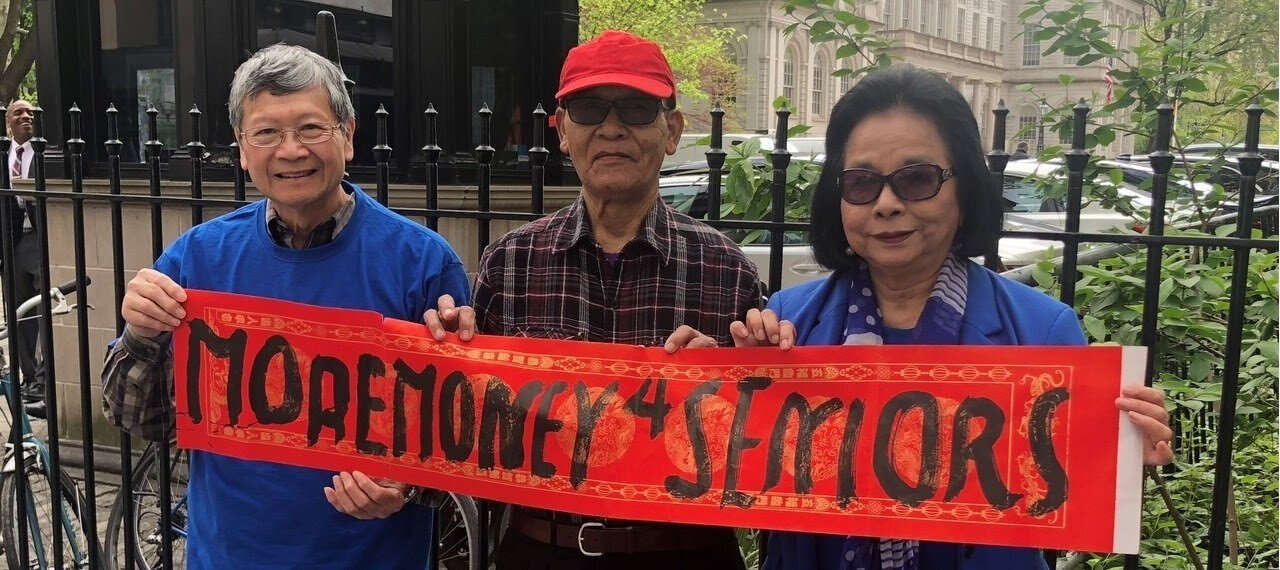
While there's much still to be done, today, we're celebrating the strides made in this year's State Budget — namely funding to address waiting lists for senior services! Thank you to all of the organizations and individuals that made calls, sent emails, and raised your voices to advocate for senior services to receive additional support in the New York State Fiscal Year 2021-2022 Budget. Late Tuesday night, the state finalized a budget that included significant changes to the states revenue sources, support of excluded workers, funding for education, and new investments in senior services such as funding to address waiting lists and more.
While there's much still to be done, today, we're celebrating the strides made in this year's State Budget — namely funding to address waiting lists for senior services!
Thank you to all of the organizations and individuals that made calls, sent emails, and raised your voices to advocate for senior services to receive additional support in the New York State Fiscal Year 2021-2022 Budget. Late Tuesday night, the state finalized a budget that included significant changes to the states revenue sources, support of excluded workers, funding for education, and new investments in senior services such as funding to address waiting lists and more.
Below represents an overview of changes related to items LiveOn NY, and our members and partners, have advocated for in the budget:
NEW FUNDING WINS
$8 million to address waiting lists for services throughout New York State.
$2,022,013 to provide a 1% Cost of Living Adjustment (COLA) to human services workers contracted through NY State Office for the Aging (NY), as well as additional funding for 1% COLAs through other agencies.
$250,000 to bolster the Long-Term Care Ombudsmen Program.
$950,000 to support Naturally Occurring Retirement Communities (NORCs), particularly with respect to the provision of nursing services.
Year 6 of the Empire State Supportive Housing Initiative (ESSHI) capital funding.
$13 million for a first-of-its-kind AAPI Emergency Fund $10 million of which will be allocated to community-based organizations and $3 million to implement data disaggregation.
In addition to Governor Cuomo, LiveOn NY shares our deepest thanks to our champions in the legislature that fought to make these wins possible: Senate Majority Leader Stewart-Cousins, Speaker Heastie, Senate Aging Chair Senator May, Assembly Aging Chair Assembly Member Kim, and long-standing champions Senator Krueger, Senator Addabbo, Senator Biaggi, Assembly Member Joyner, and Assembly Member Niou, and freshman champion, Assembly Member Clark, among others.
Our State Work Doesn't Stop Here...
Below are priorities that we will continue to build momentum to be included in future budgets and through the end of this legislative session:
Full funding for waiting lists. While the additional $8 million allocated this year is significant, we needed $27 million to end waiting lists in New York this year. We won't stop fighting for it.
Fair Pay for Home Care to ensure all home care workers can receive a living wage.
Additional funding for the Long-Term Care Ombudmen Program, investments in the technology infrastructure of senior services providers, and funding for senior nutrition.
Enactment of legislation, including:
S64 / A1524 Statewide SNAP Restaurant Meals Program
S598B / A3922 Reimagining Long-Term Care Task Force
S2193 / A3807 Affordable Housing Five-Year Capital Plan

LiveOn NY Testimony on NYCHA Developments and Senior Centers
In New York City, NYCHA represents one of the greatest providers of affordable housing for low-income seniors. Currently, 38% of New York City Housing Authority (NYCHA) households are headed by an older adult age 62 and over, and an estimated 7,700 units are designated specifically for older adults. Just as the buildings are aging, so are the tenants that occupy them, making the need for quality, safe services in NYCHA paramount to the success of the community.
We’re proud to testify to the New York City Council to ensure older adults can safely aging in NYCHA developments. Below is testimony submitted by LiveOn NY to the New York City Council Committees on Aging and Public Housing.
To learn more about upcoming New York City Council hearings: click here. To register to testify: click here. To watch live and past hearings: view here!
New York City Council
Committee on Aging
Chair, Council Member Chin
Committee on Public Housing
Chair, Council Member Ampry-Samuel
April 7, 2021
Oversight – Seniors aging in place in NYCHA during a pandemic
Thank you for the opportunity to testify on seniors aging in place in NYCHA during the pandemic.
LiveOn NY’s members include more than 100 community-based nonprofits that provide core services which allow all New Yorkers to thrive in our communities as we age, including senior centers, home-delivered meals, affordable senior housing, elder abuse prevention, caregiver supports, NORCs and case management. With our members, we work to make New York a better place to age.
In New York City, NYCHA represents one of the greatest providers of affordable housing for low-income seniors. Currently, 38% of New York City Housing Authority (NYCHA) households are headed by an older adult age 62 and over, and an estimated 7,700 units are designated specifically for older adults. Just as the buildings are aging, so are the tenants that occupy them, making the need for quality, safe services in NYCHA paramount to the success of the community. Unfortunately, however, providers of services such as Senior Centers and NORCs that operate in NYCHA community spaces face daily challenges just to keep the doors open.
While an emphasis must be placed on improving the living conditions of residents living in NYCHA developments, it’s also important to acknowledge senior service providers have not been immune to the challenges during the pandemic.
Prior to the onset of the pandemic, and potentially exacerbating the pandemics impacts, inadequate conditions in NYCHA developments including poor ventilation systems, broken elevators, leaking roofs, and recurring mold have long been one of the many challenges providers have worked to alleviate. While working to mitigate these repairs, providers are frequently faced with fines and violations, in addition to lengthy approval processes by NYCHA that exacerbate the timeline for repairs.
The impacts of these fines and conditions are not only monetary: instead of spending critical time providing critical services for NYCHA residents and the surrounding community, providers are forced to become experts in the nuances of repair systems wholly outside of their job description in order to simply stay afloat. This impact cannot be understated as these non-profit providers work tirelessly to provide high quality services to those who need it most and, through these suboptimal systems, are being consistently hamstrung from meeting their city-mandated and personally motivated aims. Now, in the midst of a pandemic, it’s critical that these repairs and conditions are addressed as they pose an even greater risk for residents and staff as we look ahead to resume in-person services and programming.
In response to these difficulties LiveOn NY recommends:
The City must work to continue to increase capital funding for public housing to support ventilation upgrades and other critical infrastructure improvements that will improve both residential and community space within NYCHA;
Redirect fines to ensure nonprofits are not penalized for violations that are out of their control. Nonprofit human service providers, who lack site control and rely on NYCHA to make repairs, should not be subject to citations and fines from DOHMH or FDNY due to NYCHA’s failure to make those repairs. When violations are found during inspections, and if these violations have already been reported to NYCHA by the provider, the provider should not be penalized. At this time, the fine should be automatically negated, and NYCHA should be notified by the fining agency of a need to cure the violation in question;
Restore and baseline all one-time funds for NYCHA Social Clubs. All funding for senior programming in NYCHA community spaces should not rely on one-shot funding from the Administration, but should be sustainably baselined and incorporated into the full scope of DFTA services;
Fully fund the Indirect Cost Rate (ICR) Initiative, which is critical to ensuring nonprofits operating in NYCHA remain viable into the future. Recent cuts to the ICR Initiative have threatened the viability of New York City’s nonprofit human service providers, leaving current NYCHA Senior Center, NORC, and other providers scrambling to pay staff and get by. To truly support nonprofits the City must reverse course and fully implement the ICR Initiative;
Include funding promises made to Senior Centers in the FY22 Executive Budget. Fully allocate the $10 million in Senior Center Model Budget funding and $5 million in Senior Center Kitchen funding to ensure that this workforce -- made up of predominantly women and people of color -- are paid competitively for their work. This funding will support not only Senior Centers located in NYCHA, but the broader Senior Center portfolio.
Additionally, LiveOn NY strongly supports the following bills that would potentially improve operations for providers and transparency in NYCHA developments:
Intro 1827, introduced by Council Member Ampry-Samuel, is an act to provide a dedicated NYCHA liaison within DFTA. To ensure there is a clear and consistent line of coordination, there should be an individual within the Department for the Aging (DFTA) whose sole focus is to coordinate with NYCHA on matters impacting older adult public housing residents. This individual could support and streamline processes for DFTA funded services that may include establishing a system to receive comments and complaints, delineating roles and responsibilities regarding repairs at Centers located within NYCHA developments and make recommendations to improve programs and facilities that serve older adults public housing residents.
Intro 415, introduced by Council Member Chin, is an act to require NYCHA to report annually on Senior Centers within NYCHA buildings. As we look to create better solutions for older adults who rely on Senior Centers for critical services, receiving an annual report from NYCHA would provide service providers and community-based organizations with the necessary information and data — such as the number of people served by each center, or the programming provided at each center — to create evidence-based solutions that better support older adults and advocate for investments and legislation on the City and State level. The City Council should work with the Department for the Aging, prior to passage, to confirm if the information that would be mandated reporting under this bill is already being collected, or can be easily collected by providers, so as to not create additional data collection requirements where those don’t already exist. Further, it should be considered if this information is already available through Local Law 140.
As we look ahead to the warmer season when Senior Centers located in NYCHA will act as Cooling Centers for those in need, NYCHA developments and DFTA fiscal must work to accelerate the approval for repairs or replacements of poor HVAC systems. Further, as DFTA moves towards reopening of in-person senior services, funding and flexibility for budget amendments must be prioritized to ensure Senior Centers in NYCHA can proactively address leaks and other issues that are critical to the safety and health of staff and older adults.
Thank you for the opportunity to testify at today’s hearing.